TRENDING

Sunday, 11 October 2026
----------------------
30 Rabi' Al-Thani 1448 AH
Washington’s new sanctions aim to cripple the International Criminal Court, jeopardizing investigations into war crimes. A coordinated global response could keep the court functional and preserve accountability.
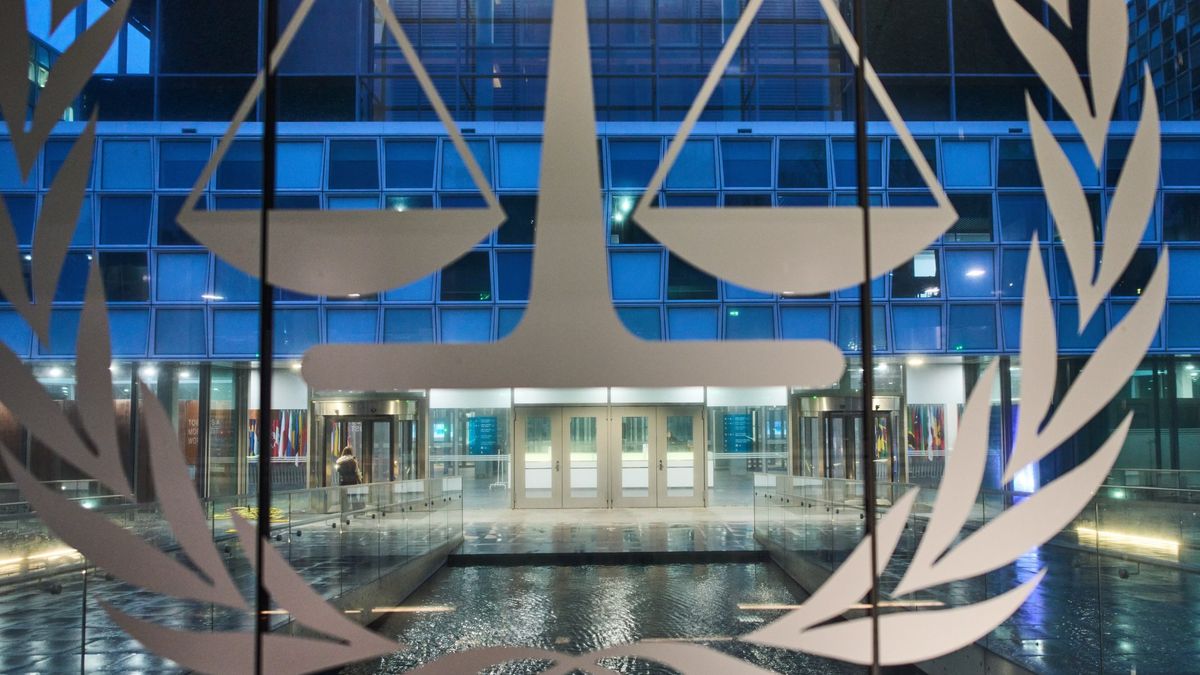
On 9 December 2025 the United States announced a package of secondary sanctions targeting the International Criminal Court (ICC). The measures block the court’s assets in the US, prohibit American firms from providing services, and threaten secondary penalties for non‑US entities that continue to work with the ICC. A 180‑day “grace period” was offered, ostensibly to let member states wind down operations or find alternatives, but the language makes clear that the United States expects rapid compliance.
The sanctions are less about legal compliance and more about political leverage. Donald Trump returned to the White House on a platform that framed the ICC as a tool of elite globalism used to target U.S. allies and, indirectly, American interests. By weaponising the US financial system, Washington forces other states to choose between their own economic ties to the US and the principle of international accountability.
- Economic coercion: US banks dominate global correspondent‑clearing networks. Cutting the ICC off from these channels means its investigators cannot move money, pay staff, or secure forensic services.
- Domestic politics: The Trump administration faces a constituency that views the ICC as an affront to national sovereignty. Sanctions signal to that base that the president is defending American autonomy.
- Alliance math: The European Union relies heavily on US trade and technology. While EU leaders publicly defend the court, they hesitate to trigger a broader trade dispute, especially as Washington threatens tariffs on European goods.
- Legal pre‑emptive strike: By targeting the ICC’s ability to investigate the Palestine conflict, the US removes a diplomatic irritant that could be used by adversaries to rally anti‑American sentiment.
The power play is a classic case of a hegemon using its financial clout to reshape an international institution’s operating environment, forcing smaller states to either acquiesce or risk secondary sanctions.
The court employs over 500 international staff, many of whom are on contracts with US‑based payroll providers. With banks closing accounts and insurers withdrawing coverage, salaries risk delay, health insurance lapses, and even the loss of basic office utilities. The personal toll includes anxiety, relocation pressures, and the prospect of unemployment for highly specialised legal professionals.
The most immediate victims are the communities awaiting justice, particularly Palestinians whose alleged war‑crimes cases are under active investigation. Delays in funding mean fewer forensic teams on the ground, reduced capacity to protect witnesses, and a slowdown in filing indictments. For families who have endured displacement and loss, the sanctions translate into a prolonged sense of impunity.
Palestinian NGOs that cooperate with the ICC face a double‑edged threat: loss of funding from European donors wary of US retaliation, and the risk of being labelled as violating US sanctions. This curtails their ability to document evidence, provide legal aid, and mobilise public awareness.
If the ICC is forced to scale back, other international tribunals—such as the Special Court for Sierra Leone or future ad‑hoc tribunals—will lose a precedent‑setting model. The broader consequence is a weakening of the normative belief that powerful actors can be held accountable, emboldening future violators.
Official statements frame the sanctions as a response to “bias” in the ICC’s investigations, yet internal memos reveal a deeper motive: preventing the court from becoming a diplomatic lever against US allies and from legitimising narratives that challenge American military actions abroad. By crippling the ICC, Washington hopes to keep the legal battlefield under its own control.
The EU’s public condemnation is sharp, but behind the scenes EU officials have stalled the activation of the Blocking Statute—a legal tool that would forbid EU firms from complying with US sanctions. Fear of a retaliatory tariff spiral, especially in sectors like aerospace and agriculture, has kept the EU from taking decisive action. This passive stance effectively hands Washington a free pass to continue its pressure campaign.
Even firms with no direct ties to the ICC are pulling services pre‑emptively. A German cloud provider recently terminated its contract with the court after its compliance department flagged the risk of secondary sanctions. This cascade of over‑compliance magnifies the sanctions’ impact far beyond the original legal target.
Washington presents the “grace period” as an invitation to dialogue, yet the language is calibrated to force concessions—most notably, the abandonment of the Palestine investigation. By casting the ICC as a diplomatic bargaining chip, the US seeks to reshape the court’s mandate without appearing overtly hostile.
- EU activation of the Blocking Statute: A swift move would legally shield European firms from US penalties and signal collective resistance.
- Alternative financial corridors: Look for the emergence of non‑US banking solutions, such as partnerships with Asian or Middle‑Eastern banks, that could keep the ICC’s cash flow alive.
- Member‑state budget pledges: Any increase in the ICC’s core budget, especially from non‑US donors, will be a litmus test of political will.
- Legal challenges in US courts: Advocacy groups may file lawsuits arguing that the secondary sanctions exceed executive authority, potentially creating a judicial check.
- Shifts in US domestic politics: Mid‑term elections or internal party battles could alter the administration’s appetite for a high‑profile confrontation with an international institution.
Monitoring these developments will reveal whether the ICC can survive the current onslaught or become a cautionary tale of how financial power can silence global accountability.
The sanctions block the court’s assets in the United States, prohibit American firms from providing goods or services, and threaten secondary penalties for non‑US entities that continue to work with the ICC.
The EU can activate its Blocking Statute, which makes it illegal for EU companies to comply with US secondary sanctions, and it can fund alternative banking and digital infrastructure for the court.
Editor's Note: Analysis based on publicly available statements and policy documents; some internal US motivations are inferred from secondary sources.
Source referenced: ALJAZEERA
This brief was synthesized by our Editorial Engine and reviewed by The Ground Narrative team.


