TRENDING

Sunday, 11 October 2026
----------------------
30 Rabi' Al-Thani 1448 AH
The EU's trade commissioner recently concluded high-stakes talks in Beijing, focusing on economic security amidst growing tensions. This visit highlights the delicate balance Europe attempts to strike between deep economic ties and reducing critical dependencies on China.
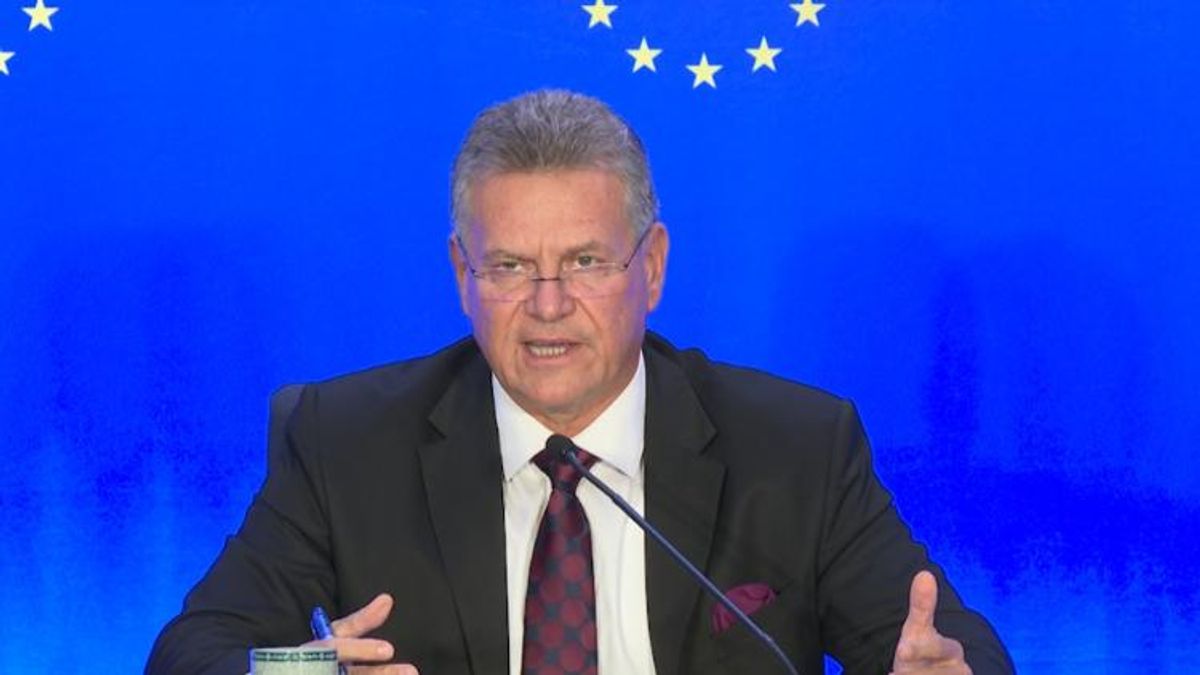
European Commissioner for Trade and Economic Security Maros Sefcovic concluded a two-day visit to China on October 10, 2026. During his trip, Commissioner Sefcovic engaged in high-level discussions with Chinese officials in Beijing, culminating in a press conference where he briefed the media on the outcomes. This visit occurred against a backdrop of increasing calls within the European Union for
The EU is increasingly concerned about over-reliance on China for critical goods and technologies, seeking to build resilience in supply chains and protect strategic industries from potential geopolitical leverage. This shift reflects a broader global trend towards safeguarding national economic interests.
EU trade policies with China can affect citizens through consumer prices, job security in export-oriented or competing industries, and the availability of goods. Decisions on tariffs or subsidies can lead to higher costs for consumers or job losses in sectors unable to compete with state-subsidized Chinese products.
De-risking refers to the EU's strategy of reducing its critical dependencies on China, particularly in sensitive sectors, without fully "decoupling" economically. It aims to diversify supply chains, boost domestic production, and protect intellectual property, rather than severing all economic ties.
Editor's Note: None
Source referenced: CGTN
This brief was synthesized by our Editorial Engine and reviewed by The Ground Narrative team.


