TRENDING

Sunday, 11 October 2026
----------------------
30 Rabi' Al-Thani 1448 AH
African Union facilitators have urged adherence to ceasefire commitments in eastern DR Congo, where the M23 rebel group continues its offensive. This call for dialogue comes amid a long-standing conflict fueled by regional interests and resource wealth.
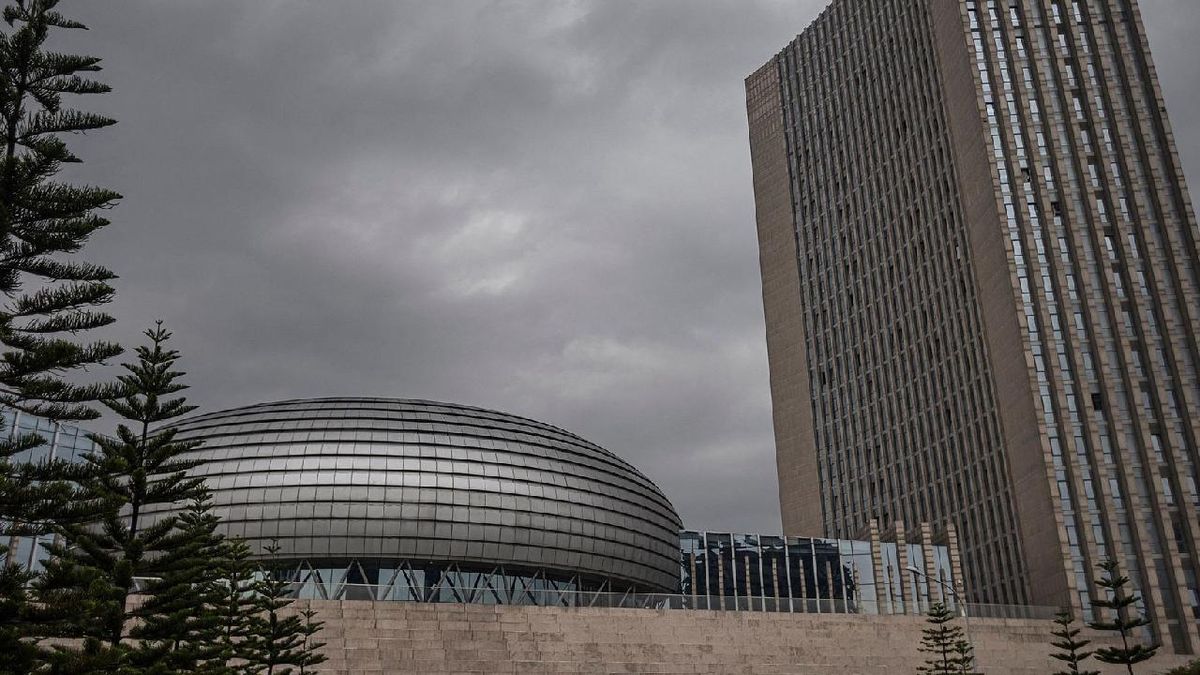
The African Union (AU) panel of facilitators has called for strict adherence to ceasefire commitments and continued diplomatic engagement to end the protracted fighting in eastern Democratic Republic of Congo (DR Congo). Following consultations in the M23-held city of Goma, the panel, which included former presidents Sahle-Work Zewde of Ethiopia, Uhuru Kenyatta of Kenya, and Mokgweetsi Masisi of Botswana, emphasized that lasting peace demands genuine political dialogue. They urged all parties to engage in good faith within the Doha peace process and cooperate with ceasefire monitoring mechanisms, while also advocating for greater civilian protection and unhindered humanitarian access. This diplomatic push comes as the M23 rebel group has intensified its offensives since January 2025, seizing key cities in the eastern provinces of North Kivu and South Kivu, including Goma and Bukavu.
The conflict in eastern DR Congo is not merely an internal struggle but a complex web of regional power plays, resource competition, and historical grievances. At its heart lies the immense mineral wealth of the region—coltan, cobalt, gold, diamonds—which fuels both state and non-state actors. The M23 rebel group, ostensibly formed to protect the rights of Congolese Tutsis, has consistently been accused by the DR Congo government and UN experts of receiving significant support from neighboring Rwanda. While Kigali vehemently denies these claims, framing its involvement as a response to security threats from Rwandan Hutu militias (like the FDLR) operating in DR Congo, the pattern of M23's advances often aligns with Rwanda's strategic interests.
The DR Congo's weak central government has struggled for decades to assert control over its vast, resource-rich eastern territories. This power vacuum creates fertile ground for numerous armed groups, including the M23, to flourish. For Rwanda, a landlocked nation with limited natural resources, influence in eastern DR Congo offers both economic opportunities through illicit mineral trade and a strategic buffer against perceived threats. Uganda has also historically played a complex role, at times supporting rebel groups and at others engaging in joint military operations with the DR Congo against other armed factions, often with an eye on its own security and economic interests.
The presence of the United Nations peacekeeping mission in Congo (MONUSCO) for over two decades highlights the international community's struggle to stabilize the region. Despite its mandate, MONUSCO has faced criticism for its perceived ineffectiveness and has been increasingly pressured by the DR Congo government to withdraw. This impending withdrawal adds urgency and uncertainty to the current diplomatic efforts. The Doha peace process, mediated by Qatar, represents an attempt to find a political solution, but its success hinges on addressing the deep-seated grievances and the willingness of all regional actors, particularly Rwanda, to genuinely commit to non-interference. The call for
The M23 rebel group is one of several armed factions operating in eastern DR Congo. It claims to protect the rights of Congolese Tutsis but has been accused by the DR Congo government and UN experts of receiving support from neighboring Rwanda, which Rwanda denies.
Eastern DR Congo is rich in valuable minerals like coltan, cobalt, and gold, which fuel various armed groups and external actors. A weak central government, historical ethnic tensions, and alleged interference from neighboring countries also contribute to the persistent instability.
The African Union (AU) is actively involved in facilitating peace talks, such as the Doha peace process. The United Nations peacekeeping mission (MONUSCO) has been present for decades, and various regional leaders and international mediators are also engaged in efforts to find a lasting solution.
Source referenced: CGTN
This brief was synthesized by our Editorial Engine and reviewed by The Ground Narrative team.


