TRENDING

Sunday, 11 October 2026
----------------------
30 Rabi' Al-Thani 1448 AH
After a period of simmering tensions, China and the European Union have reached a significant trade agreement, covering everything from electric vehicles to critical rare earth minerals. This truce reveals the deep interdependence of the two economic giants and the quiet compromises made to keep global supply chains flowing.
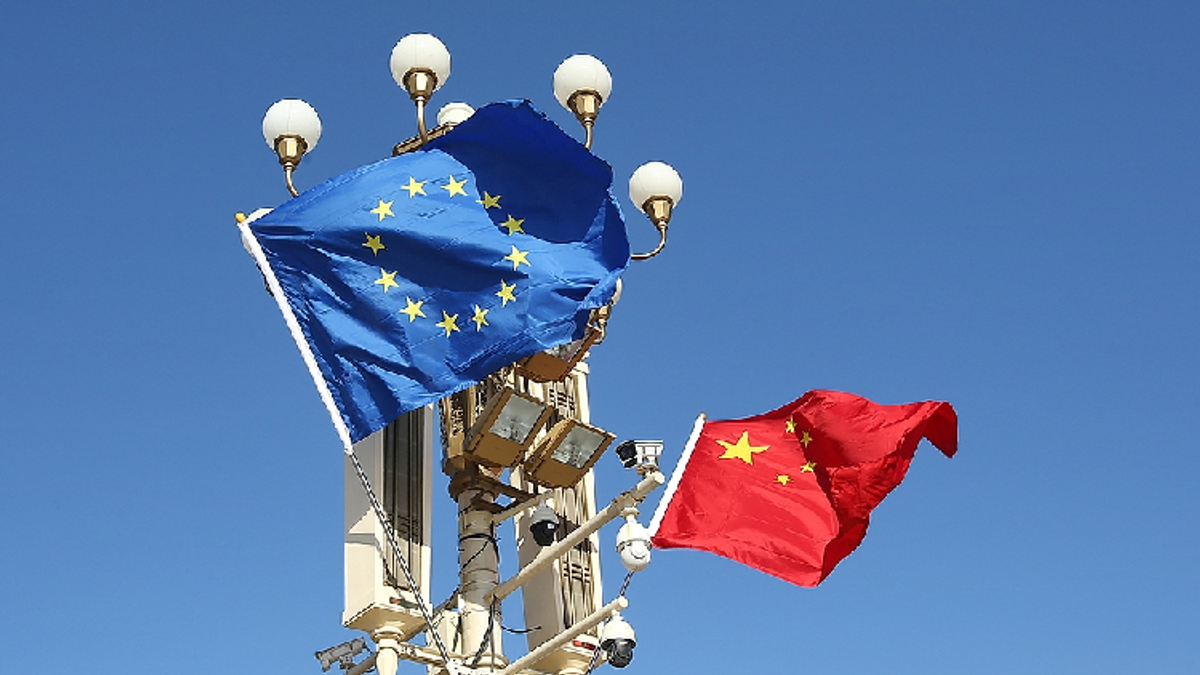
China and the European Union recently concluded a series of high-stakes trade talks, culminating in a joint statement outlining 16 key agreements. These agreements address a range of contentious issues that have fueled trade tensions between the two economic blocs, including a commitment from China to reduce its electric vehicle (EV) exports to Europe, increased EU access for medical devices in the Chinese market, and critical understandings on rare earth exports and intellectual property management. The outcome marks a deliberate effort by both sides to de-escalate trade disputes and foster a more stable, albeit carefully managed, economic relationship.
These agreements are not merely technical adjustments; they are a direct reflection of the intricate power dynamics and mutual dependencies that bind China and the EU. Both entities are global economic heavyweights, and their trade relationship is too significant to allow for an uncontained trade war. The concessions made by each side highlight their respective vulnerabilities and strengths, as well as their strategic priorities.
The European Union, driven by internal industrial pressures, particularly from its powerful automotive sector, sought to curb the influx of competitively priced Chinese EVs. For countries like Germany, where the auto industry is a cornerstone of the economy, the rapid rise of Chinese EV manufacturers posed an existential threat. Securing a reduction in Chinese EV exports is a protective measure, designed to buy time for European carmakers to innovate and compete. Similarly, the EU’s demand for stable rare earth supplies underscores its vulnerability in critical raw materials, essential for its green transition and advanced manufacturing. China controls a dominant share of the global rare earth market, giving it significant leverage. The EU's push for better access for its medical devices in China reflects its strength in high-value manufacturing and its desire to tap into China's vast consumer market.
China, on its part, also operates from a position of strength, but with its own set of strategic imperatives. While agreeing to reduce EV exports might seem like a concession, it is a calculated move to prevent harsher tariffs or broader trade restrictions from the EU. China values its access to the European market for its burgeoning industries and seeks to avoid a full-blown trade conflict that could disrupt its economic growth and technological advancement. By offering concessions in areas like EV exports and rare earths, China aims to secure fair treatment for its own enterprises operating in Europe, pushing back against what it perceives as discriminatory measures in public procurement and investment. This reciprocal demand highlights China's growing confidence and its expectation of an equal footing in global trade negotiations. The underlying goal for China is to maintain its economic ties with Europe as a counterbalance to increasing pressure from the United States, which has been urging its allies to align more closely against Beijing.
The very act of sitting down and negotiating, as opposed to escalating tariffs, signals a shared understanding that a trade war would be mutually destructive. This mutual recognition of economic interdependence forces both sides to seek pragmatic solutions, even if they are temporary and hard-won. The power dynamic is therefore one of constrained competition, where neither side can afford to completely alienate the other, leading to a complex dance of concessions and demands.
While trade agreements are often framed in terms of macroeconomic indicators and national interests, their real impact is felt by ordinary citizens, workers, and communities. These agreements, despite their stated goal of stability, carry significant human costs that are often overlooked in official pronouncements.
For European consumers, a reduction in Chinese EV exports could mean less choice and potentially higher prices for electric vehicles. Chinese manufacturers have been instrumental in driving down EV costs, making them more accessible. Limiting their market presence could slow the adoption of EVs, impacting climate goals and consumer budgets. On the other hand, the protection offered to European auto manufacturers might safeguard jobs in the short term. However, this protection can also stifle innovation and delay the necessary restructuring within European industries to become more competitive globally. Workers in the European auto sector might feel a temporary reprieve, but the long-term challenge of global competition remains.
In China, the agreement to reduce EV exports could directly impact production lines and the livelihoods of workers in the rapidly expanding new energy vehicle sector. Factories might scale back production or slow hiring, affecting employment figures and economic stability in regions heavily reliant on this industry. While China's economy is vast, localized impacts can be significant. Furthermore, the broader push for market access for European medical devices in China could intensify competition for domestic Chinese medical device manufacturers, potentially leading to job losses or consolidation in that sector.
The focus on securing rare earth supplies for the EU highlights the critical importance of these minerals for modern technology. However, the extraction and processing of rare earths often come with severe environmental and human costs, particularly in regions where environmental regulations are lax. While the agreement aims to stabilize supply, it does not inherently address the ethical and environmental implications of the global rare earth supply chain. The push for industrial advantage, whether in EVs or advanced technology, often externalizes these costs onto communities far removed from the end consumer, impacting local ecosystems and public health.
Beneath the veneer of cooperation and mutual understanding, several critical narratives are being downplayed or omitted by powerful actors on both sides.
The talks resulted in 16 agreements, including China's commitment to reduce electric vehicle exports to Europe, increased European medical device imports by China, and understandings on rare earth exports and intellectual property management. These aim to de-escalate trade tensions.
The EU's automotive industry faces intense competition from low-cost Chinese EVs, threatening jobs and market share. The EU also seeks stable access to rare earths, critical minerals for its green transition and high-tech industries, which China largely controls.
These agreements signal a willingness by two major economic blocs to resolve disputes through dialogue, potentially setting an example for global stability. However, they also represent a shift towards managed trade in key sectors, which could challenge the multilateral principles of the World Trade Organization.
Editor's Note: Analysis is based on publicly reported outcomes and expert commentary, interpreting underlying power dynamics.
Source referenced: CGTN
This brief was synthesized by our Editorial Engine and reviewed by The Ground Narrative team.