TRENDING

Sunday, 11 October 2026
----------------------
30 Rabi' Al-Thani 1448 AH
The Houthi blockade of Taiz has pushed the city’s hospitals to the brink, risking a health catastrophe for millions. This analysis uncovers the power dynamics, the human toll, and what to watch as the crisis unfolds.
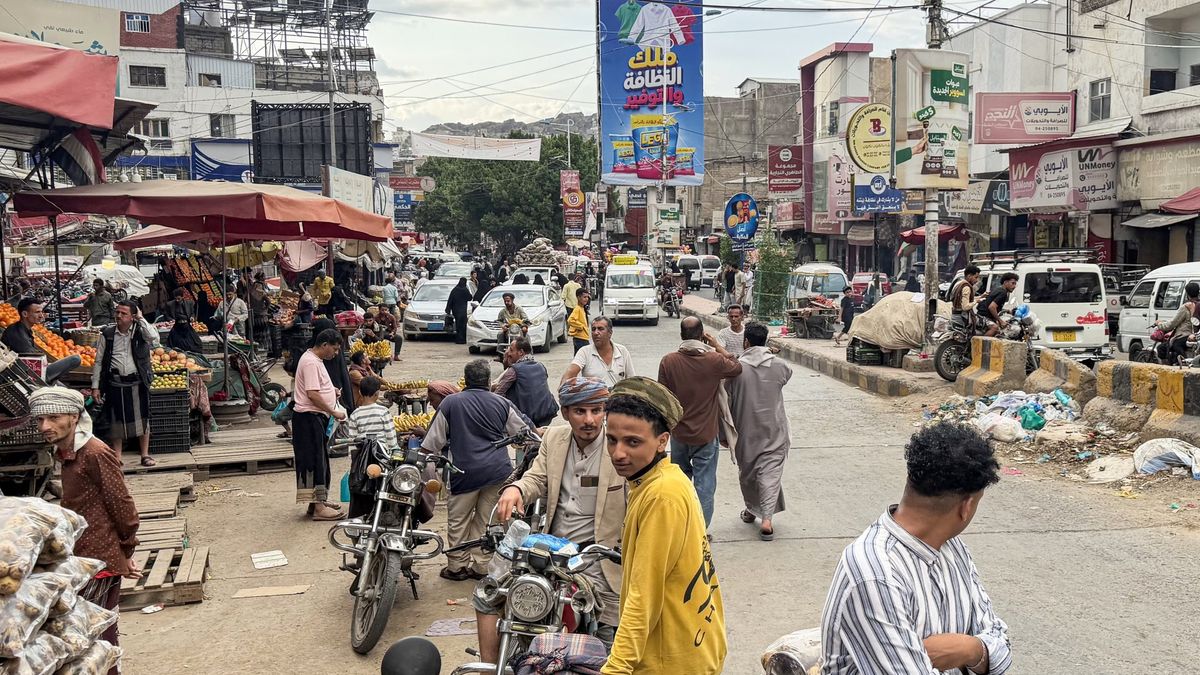
The internationally recognised Yemen government warned on 11 October that hospitals in the southwest city of Taiz are on the verge of collapse. A renewed Houthi siege has cut off medicines, fuel and essential medical supplies, threatening emergency care, surgery, dialysis and neonatal services. The blockade follows a fresh offensive that seized the Red Sea port of Mocha and the town of At Turbah, severing the last road linking Taiz to other government‑held areas.
The siege is not merely a battlefield maneuver; it is a calculated lever of political survival for the Houthis. By choking the city’s lifelines, they aim to pressure the Saudi‑backed government into concessions without committing to a full‑scale assault that could overextend their forces. The Iran‑supported group benefits from a low‑cost strategy that maximises leverage while preserving its own manpower.
Saudi Arabia, the primary patron of the Yemeni government, faces a dilemma. Direct military escalation risks international criticism and further civilian casualties, yet a passive stance emboldens the Houthis and undermines Saudi credibility in the coalition. The kingdom’s reliance on air power and limited ground incursions reflects an attempt to balance deterrence with political restraint.
Internationally, the United Nations and humanitarian agencies are caught between diplomatic advocacy and operational constraints. Funding shortfalls, donor fatigue, and the complex web of access negotiations limit their ability to deliver aid swiftly. The siege thus exploits gaps in the global humanitarian architecture, turning bureaucratic inertia into a weapon.
With oxygen cylinders dwindling and generators sputtering, patients in intensive care units face imminent death. Neonates who rely on temperature‑controlled incubators are especially vulnerable, as power outages can trigger fatal hypothermia within minutes.
Approximately 2.8 million people remain in government‑held parts of the governorate, joined by 200 000 newly displaced residents. The surge has inflated black‑market fuel prices three‑fold, pushing basic transport beyond the reach of most households and crippling the informal economy that sustains many families.
Doctors, nurses and support staff operate under constant threat of shelling and lack of protective equipment. The shortage of intravenous fluids forces clinicians to ration care, turning life‑saving interventions into ethical dilemmas.
The blockade hampers agricultural trade routes, inflating food prices and deepening malnutrition. As hospitals collapse, the long‑term health burden—chronic disease, untreated injuries, mental trauma—will strain an already fragile system for years.
While official statements condemn the siege, Saudi Arabia and its allies have offered limited logistical assistance, citing security concerns. The lack of a coordinated convoy corridor suggests a tacit acceptance that the humanitarian crisis can be leveraged for political bargaining.
Publicly, Iran denies direct command over Houthi operations, yet financial channels and weapons shipments continue to flow. The siege serves Tehran’s broader goal of stretching Saudi resources and maintaining a foothold on the Arabian Peninsula without overt confrontation.
International donors are increasingly reluctant to fund protracted emergencies, especially when access is obstructed. The narrative of “inevitable famine” has been replaced by a quieter framing of “logistical challenges,” downplaying the urgency and allowing funding to be reallocated elsewhere.
Global coverage often reduces the crisis to a “Yemen war” headline, obscuring the specific tactics of siege warfare. By not highlighting the systematic targeting of health infrastructure, the narrative shields the perpetrators from accountability and normalises civilian suffering as collateral.
The next weeks will reveal whether the UN can broker a limited humanitarian corridor that bypasses Houthi checkpoints, or if Saudi‑backed forces will launch a ground push to reopen the At Turbah road. Watch for shifts in fuel prices on the black market as an early indicator of supply line changes. International donor announcements, especially from the EU and Gulf states, will signal whether the crisis is being politicised or genuinely addressed. Finally, monitor any statements from Iran that hint at a recalibration of support, as a reduction could alter the Houthis’ calculus and open space for negotiation.
The Houthi siege has blocked the main supply route, preventing deliveries of medicines, fuel and equipment. Combined with rising fuel prices and limited aid access, hospitals cannot restock essential items.
The United Nations and WHO have issued urgent appeals for aid, while Saudi Arabia has offered limited logistical support but cites security concerns. Donor fatigue and access restrictions have slowed concrete assistance.
Source referenced: ALJAZEERA
This brief was synthesized by our Editorial Engine and reviewed by The Ground Narrative team.


