TRENDING

Sunday, 11 October 2026
----------------------
30 Rabi' Al-Thani 1448 AH
A series of unprecedented school attacks has shaken Poland, prompting a nationwide security response and sparking deep public anxiety. This analysis delves into the power mechanics, human costs, and the broader societal implications of this sudden wave of violence.
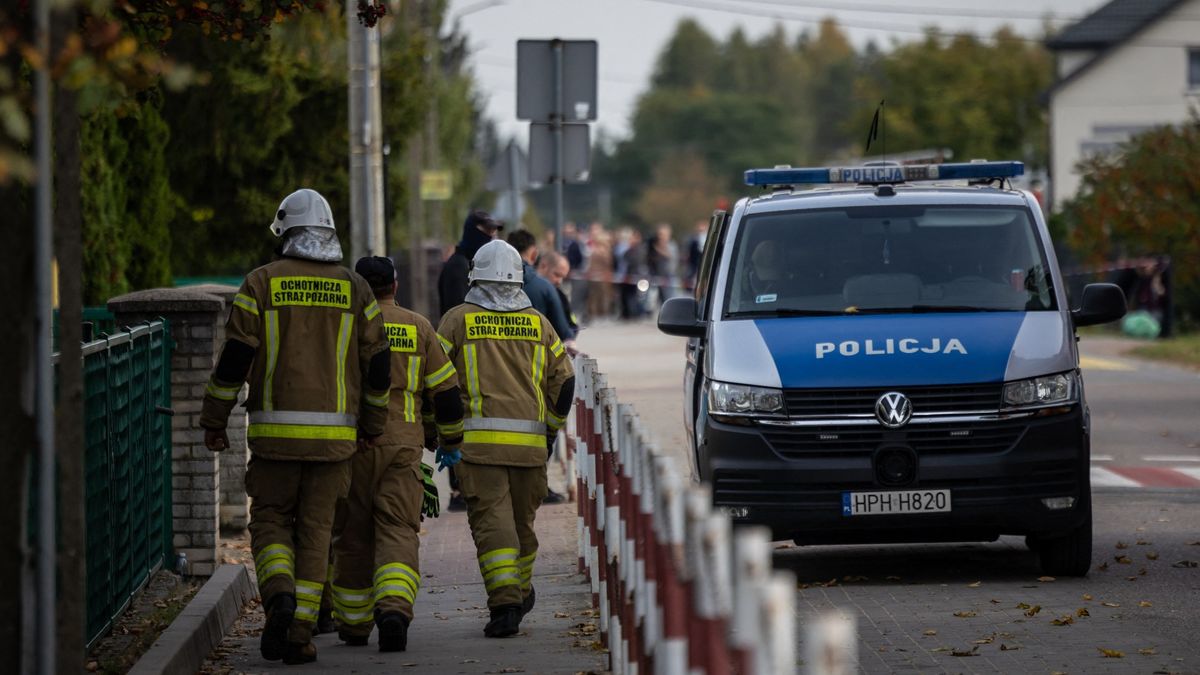
In a span of less than a week, Poland was rocked by three separate stabbing attacks at educational institutions, a phenomenon largely unfamiliar to the nation. The first incident on a Wednesday saw a 19-year-old student injure nine people with a sharp object at a vocational school in the Mazovian province. The following day, a 15-year-old killed a school caretaker and wounded two others with a knife at his former school, also in Mazovia. The third attack occurred on a Saturday at a further education college in Warsaw, where a 21-year-old woman injured three people, one requiring hospitalisation. These events triggered an immediate and extensive response from Polish authorities, including police checks on nearly 50,000 schools nationwide, the detention of 76 individuals, and a significant increase in security measures and police patrols around educational facilities across the country.
The rapid succession of school attacks in Poland has exposed a complex interplay of state power, social anxiety, and the pervasive influence of digital information. The government's response was swift and decisive, a clear demonstration of its mandate to maintain public order and project an image of control. Interior Minister Marcin Kierwinski's declaration of "no compromise" on youth safety was not merely a statement but a performative act, designed to reassure a shaken populace and assert the state's capacity to protect its citizens. The deployment of police, the mass school checks, and the detentions serve as tangible evidence of this power, aimed at quelling fear and deterring potential copycat incidents.
However, the power dynamics extend beyond the traditional state apparatus. The rapid spread of unverified rumors and the concept of a "bloody Friday" internet challenge, amplified through parents' online groups and even mainstream media, illustrate the potent, often destabilizing, power of social media. This digital current of fear effectively forced the hand of school administrations, leading to preemptive class suspensions and heightened security, even in the absence of official confirmation of a coordinated threat or internet challenge. This demonstrates how decentralized, informal networks can exert significant pressure on formal institutions, compelling them to react to perceived rather than always confirmed threats.
Furthermore, the incidents highlight the symbolic power of educational institutions. Schools are not just places of learning; they are perceived as safe havens, pillars of community, and indicators of societal stability. When these spaces are breached by violence, it challenges fundamental assumptions about public safety and the state's ability to guarantee it. The government's vigorous response is therefore not just about preventing future attacks, but about restoring faith in these critical public spaces and, by extension, in the state's overarching authority. The sudden vulnerability of schools necessitates an immediate reassertion of control, transforming them, at least temporarily, into sites of heightened surveillance and security, reflecting a broader shift in the balance of power between individual freedom and collective security in a time of perceived crisis.
The immediate and most profound human cost of the Poland school attacks falls on the victims and their families. The injured students and staff, some requiring hospitalisation, bear the physical scars of the violence, but also the invisible burden of trauma. The caretaker who lost their life represents the ultimate sacrifice, a stark reminder of the vulnerability of those entrusted with maintaining these public spaces. Beyond the direct victims, the ripple effects of these incidents spread wide, touching virtually every household with school-aged children in Poland.
For students, the classroom, once a sanctuary, has become a source of anxiety. The disruption of classes, the visible presence of police, and the implementation of security checks fundamentally alter the learning environment. This new reality can foster a pervasive sense of fear, impacting concentration, academic performance, and overall mental well-being. For younger children, the abstract concept of violence becomes terrifyingly real, potentially leading to long-term psychological impacts such as heightened anxiety, post-traumatic stress, and a diminished sense of safety in public spaces. Parents, in turn, are forced to grapple with an agonizing dilemma: whether to send their children to school, balancing the importance of education against the perceived risk to their safety. This decision-making process is fraught with stress and can erode trust in public institutions, creating a climate of apprehension that extends into the home and beyond.
School staff, from teachers to administrators and support personnel, are now operating under immense pressure. Their roles have expanded beyond education to include heightened security vigilance, crisis management, and emotional support for distressed students. This increased responsibility, coupled with their own anxieties, can lead to significant burnout and stress. Communities, too, bear a cost. The attacks disrupt the fabric of daily life, fostering suspicion and unease. The collective trauma can strain social cohesion, as individuals and groups grapple with the implications of such violence in previously safe environments. The fear of the unknown, amplified by rumors, can lead to a retreat from public life or a demand for ever-increasing security measures, fundamentally altering the character of once open and trusting communities.
While the immediate focus of authorities and media has been on the "copycat" nature of the Poland school attacks and the potential for internet challenges, much of the deeper, more complex narrative remains unexamined or deliberately downplayed. The official narrative, centered on swift security responses and the detention of suspects, provides a sense of immediate control but often sidesteps the underlying societal pressures that might contribute to such acts of violence.
The emphasis on "copycat violence" or an "internet challenge" frames these incidents as isolated aberrations or external influences, rather than symptoms of deeper, internal societal issues. What are the unaddressed mental health challenges among Polish youth? Are there rising levels of social isolation, bullying, or a sense of alienation that could push individuals towards such desperate acts? The rapid digitalization of society, coupled with economic uncertainties and pressures on young people, can create environments ripe for psychological distress. Governments often find it easier to attribute violence to external factors or individual pathology than to confront systemic issues within their own social structures, such as inadequate mental health support, educational pressures, or the impact of online radicalization and echo chambers on vulnerable minds. The real untold story here is the urgent need for a national dialogue and investment in understanding the psychological landscape of Polish youth, rather than simply reacting with increased policing.
The immediate governmental response, characterized by mass school checks and detentions, while understandable in a crisis, carries the risk of over-securitization. This approach prioritizes visible, physical deterrents over addressing root causes. While necessary in the short term, a long-term strategy that relies solely on security measures can transform schools into fortress-like environments, inadvertently fostering a climate of fear and suspicion among students and staff. It can also divert resources and attention from crucial preventative measures, such as comprehensive mental health programs, conflict resolution training, and initiatives to build stronger, more inclusive school communities. The untold story here is the potential for these reactive security measures to become entrenched, creating a permanent shift in the educational experience without necessarily solving the underlying problems that lead to violence.
The power of rumors and unverified information, particularly the "bloody Friday" scare, played a significant role in the public's reaction and the subsequent school closures. This highlights a critical, often downplayed, aspect of modern crises: the struggle for narrative control in an age of instant, unfiltered information. Governments and official bodies often struggle to keep pace with the rapid dissemination of misinformation, which can quickly escalate public anxiety and force reactive policy decisions. The untold story is how societies are grappling with the psychological warfare of the digital age, where fear can be weaponized and spread virally, often with real-world consequences, even when the underlying threat is exaggerated or non-existent. This phenomenon places immense pressure on authorities to not only manage physical security but also to effectively counter disinformation and manage public perception, a task for which many are still ill-equipped.
As Poland navigates the aftermath of these unprecedented school attacks, several key indicators will reveal the true long-term impact and the direction the nation will take. The immediate crisis response is largely complete, but the deeper societal reckoning is just beginning.
First, observe the evolution of the government's strategy. Will the initial focus on immediate security measures and law enforcement persist, or will there be a discernible pivot towards addressing the underlying social and psychological factors? Look for new policy initiatives related to youth mental health, social support systems, and educational reforms aimed at fostering more inclusive and supportive school environments. A sustained commitment to these preventative measures, beyond the immediate crisis, would signal a more profound understanding of the challenge.
Second, pay close attention to the public discourse. Will the national conversation move beyond fear and blame to a more nuanced discussion about the pressures faced by young people in Poland? The willingness of parents, educators, and community leaders to engage in open dialogue about issues like social media's impact, bullying, and access to psychological services will be crucial. Any signs of a deepening, empathetic understanding of the attackers' motivations, without condoning their actions, would indicate a maturing societal response.
Finally, monitor the long-term impact on the educational system itself. Will schools become permanently more securitized, or will they find ways to integrate safety measures while preserving an open and nurturing learning atmosphere? Changes in school attendance, student engagement, and the mental well-being of both students and staff will be critical metrics. The way Poland adapts its educational philosophy and infrastructure in the coming months and years will determine whether these tragic events lead to lasting positive change or merely a more fearful, guarded society.
Source referenced: ALJAZEERA
This brief was synthesized by our Editorial Engine and reviewed by The Ground Narrative team.


