TRENDING

Sunday, 11 October 2026
----------------------
30 Rabi' Al-Thani 1448 AH
A meeting in Beijing between China's commerce minister and the EU trade chief promises new market rules, but the real impact falls on farmers, manufacturers, and consumers on both sides.
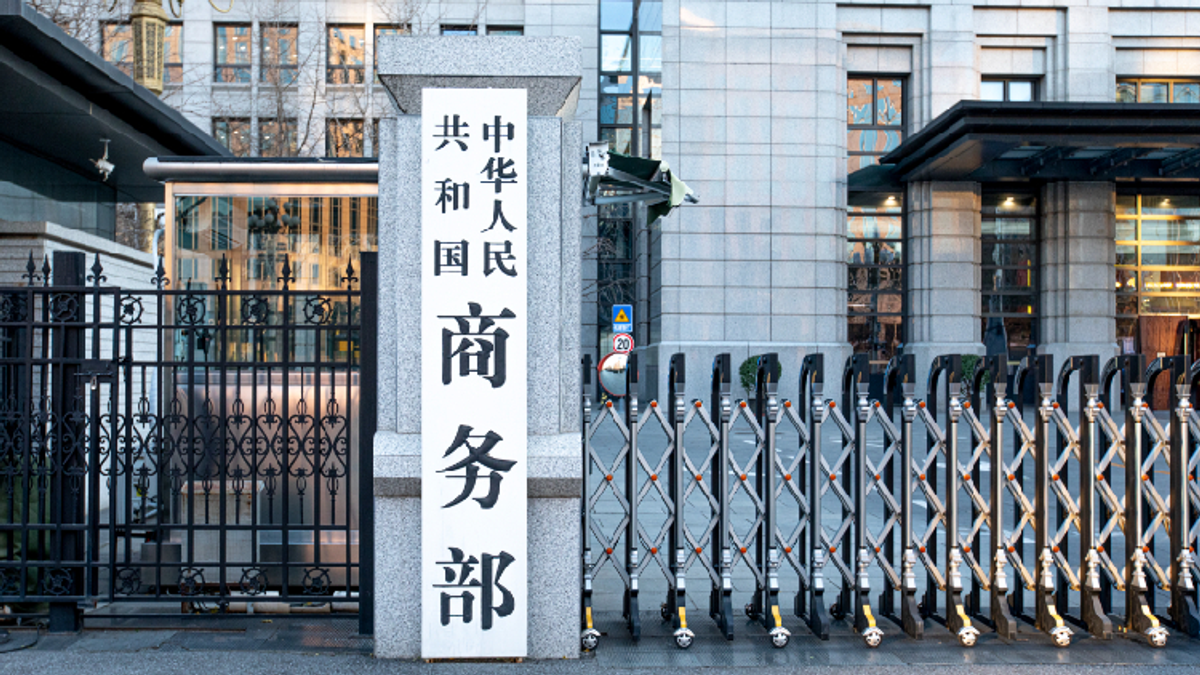
Chinese Commerce Minister Wang Wentao met with European Commissioner for Trade and Economic Security Maroš Šefčovič in Beijing on 8 October 2026. The two officials exchanged statements about deepening market access and addressing non‑tariff barriers, while both sides emphasized a "win‑win" outlook.
The encounter sits at the crossroads of three long‑running pressures. First, China seeks to lock in favorable terms for its high‑tech exports, especially in semiconductors and green‑energy equipment, before the EU finalises its own strategic‑autonomy agenda. Second, the European Union is under domestic pressure from agricultural lobbies that demand better access to Chinese markets for meat, dairy, and wine, even as Brussels tightens rules on state‑owned enterprises. Third, both parties are navigating a broader geopolitical rivalry with the United States, which has been urging the EU to reduce dependence on Chinese supply chains.
Beijing’s trade ministry views the meeting as a chance to cement the "dual circulation" model, exporting value‑added goods while securing raw material imports from Europe. By showcasing a cooperative stance, China hopes to blunt criticism over market‑access restrictions and to keep European investors comfortable with its regulatory environment.
For the EU, the immediate incentive is to extract concessions that could lower the cost of Chinese components used in European factories, from electric‑vehicle batteries to telecom gear. At the same time, EU officials must placate member states like France and Germany that fear a flood of cheap Chinese imports undermining local producers.
Both sides are also calculating the ripple effects on their alliances. The United States has warned European capitals about over‑reliance on Chinese technology, while China watches NATO’s growing focus on the Indo‑Pacific. A smooth Beijing‑EU dialogue can be framed as a diplomatic win that reduces the need for a hard‑line US stance.
While the headlines celebrate high‑level diplomacy, the real consequences land on ordinary people.
EU agricultural unions have long complained that Chinese tariffs on pork, wine, and cheese remain higher than the EU’s tariffs on European steel or machinery. If the talks result in modest tariff cuts, the benefit may be limited to large agribusinesses that can meet Chinese sanitary standards, leaving small‑scale farmers still excluded.
A push for greater EU imports of Chinese components could accelerate production lines in inland provinces, where labor standards are already under strain. Faster output often means longer shifts, lower wages, and heightened exposure to occupational hazards.
Lower tariffs on high‑tech goods could reduce prices for European consumers, but the same policy may encourage a surge of cheap Chinese consumer electronics that outcompete locally made alternatives, threatening jobs in European manufacturing hubs.
Official communiqués stress mutual benefit, yet several layers remain hidden.
Chinese officials rarely disclose the extent to which they tie market‑access concessions to political compliance, such as support for the One‑China policy in EU parliamentary votes. This strategic bargaining chip is omitted from public statements.
EU leaders downplay the growing dissent among member states that view any concession on Chinese market access as a betrayal of the bloc’s strategic‑autonomy goals. Pro‑environment and labour groups in Brussels are quietly mobilising protests against what they see as a race to the bottom.
Both sides highlight the economic upside while glossing over the security implications of deeper integration in critical sectors like 5G and AI. The narrative sidesteps the possibility that dependence on Chinese chips could limit Europe’s ability to enforce export controls in future conflicts.
The next steps will reveal whether the Beijing meeting was a diplomatic formality or a prelude to concrete policy shifts.
- EU legislative agenda: Watch the European Parliament’s upcoming debate on the “EU‑China Comprehensive Investment Agreement,” where any concessions on market access will be scrutinised.
- Tariff schedules: Monitor the European Commission’s quarterly report on tariff adjustments for agricultural products; any sudden reductions could signal a quid‑pro‑quo arrangement.
- Technology standards: Keep an eye on the joint EU‑China working group on semiconductor standards, which could set the rules for future trade in high‑value chips.
- Domestic political shifts: Follow national elections in key EU states, as new governments may renegotiate the balance between economic gain and strategic independence.
By tracking these indicators, readers can gauge whether the promised "win‑win" will translate into tangible benefits or simply shift the burden onto the most vulnerable.
China aims to secure better market access for its high‑tech exports and raw material imports, while the EU seeks lower tariffs on Chinese components and limited concessions for its agricultural exporters.
Potential tariff reductions could help large agribusinesses, but small farmers may still face strict Chinese sanitary standards and limited market entry, leaving them largely unchanged.
Editor's Note: Analysis based on publicly available statements and known trade patterns; specific concession details remain undisclosed.
Source referenced: CGTN
This brief was synthesized by our Editorial Engine and reviewed by The Ground Narrative team.


