TRENDING

Sunday, 11 October 2026
----------------------
30 Rabi' Al-Thani 1448 AH
In a move shaking global alliances, the US has eased sanctions to import Russian diesel, prioritizing domestic fuel prices over its support for Ukraine. This decision draws sharp condemnation from Kyiv, highlighting the transactional nature of power.
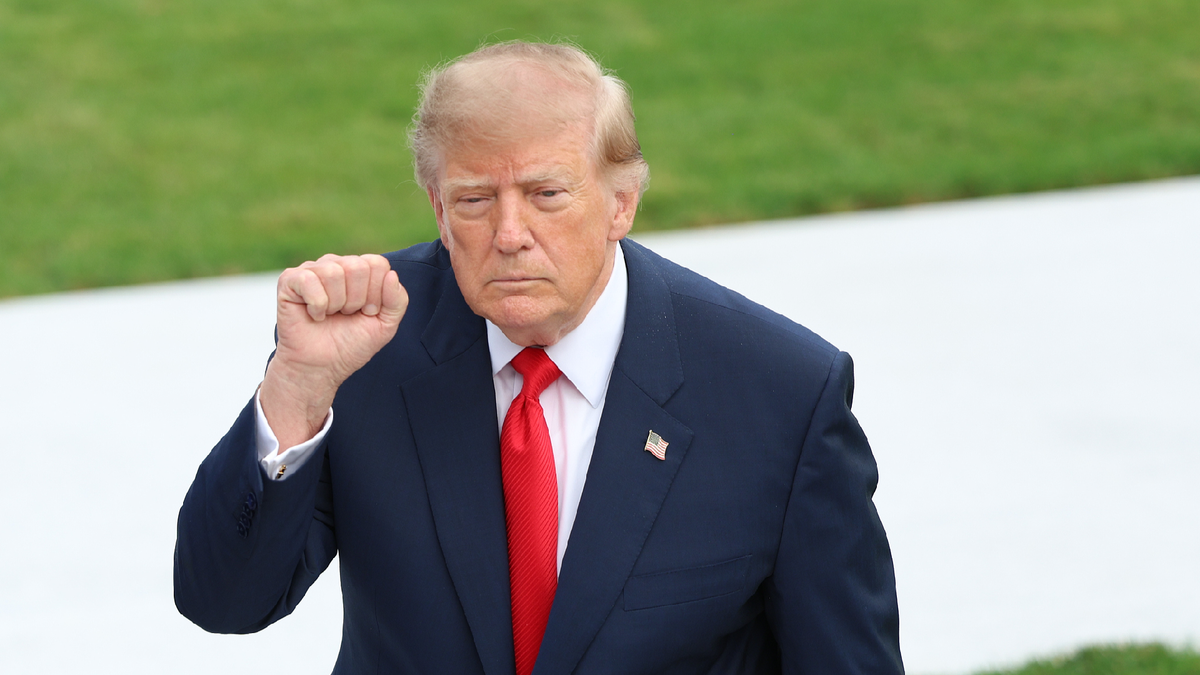
In October 2026, US President Donald Trump announced a significant shift in American foreign policy, striking a deal with Russian President Vladimir Putin to boost diesel supplies to the United States and global markets. This agreement involves the US Treasury easing existing sanctions, issuing a license that permits the import of an initial 300,000 metric tonnes of Russian diesel, with potential for up to 3 million metric tonnes, through April 7. The stated rationale for this decision was to combat surging domestic fuel prices, which the Trump administration attributed to disruptions in global energy supplies linked to a US-Israeli war with Iran. The move immediately drew sharp criticism from Ukrainian President Volodymyr Zelenskyy, who labeled it a "weak decision" and an "investment in a war that must be ended, not prolonged," warning of "further terror" from Russia. Even within the US, some Republicans voiced objections, arguing that Washington should be squeezing Moscow, not rewarding it.
This decision by the Trump administration lays bare the raw mechanics of power, illustrating how immediate domestic economic pressures can swiftly override long-standing geopolitical commitments and strategic alliances. The core power dynamic at play is the executive branch's capacity to unilaterally alter the application of sanctions, a potent tool of statecraft, when perceived national interests – particularly economic ones – are at stake. For the United States, the power calculation is rooted in the perceived need to stabilize its domestic economy and appease its consumer base, especially with fuel prices averaging over $6 per gallon. This highlights the enduring power of the American electorate, whose daily costs of living can directly influence foreign policy decisions, particularly in a political cycle.
Russia, despite being the target of extensive international sanctions, retains significant power as a major global energy producer. This deal underscores Moscow's enduring leverage in global energy markets, demonstrating its ability to exploit divisions within the Western alliance and pivot its supplies to meet demand where sanctions can be bypassed or eased. The agreement allows Russia to project an image of a reliable energy supplier, even amidst its ongoing conflict, thereby undermining the collective effort to isolate its economy. President Putin's readiness to resume supplies, despite an earlier export ban, signals Moscow's strategic agility and its willingness to use energy as a tool for both economic gain and geopolitical influence.
Ukraine, on the other hand, finds itself in a position of relative powerlessness in this particular equation. Heavily reliant on Western military and financial aid, Kyiv's ability to influence the domestic economic calculus of its primary benefactor is severely limited. President Zelenskyy's condemnation, while morally potent, has little immediate leverage over US policy when American domestic concerns take precedence. This exposes the fragility of alliances built on shared values when confronted with the transactional realities of economic self-interest. The power dynamic shifts from a collective front against aggression to individual nations prioritizing their internal stability, leaving the more vulnerable ally exposed.
Furthermore, the mention of a US-Israeli war with Iran as a primary driver for surging global energy prices introduces a critical new layer to the power mechanics. This suggests a significant escalation in regional conflicts, diverting global attention and resources, and creating a vacuum in energy supply that Russia is now positioned to fill. This broader geopolitical instability inadvertently strengthens Russia's hand, allowing it to re-enter markets it was previously excluded from, thereby diluting the impact of sanctions designed to weaken its war economy. The US, caught between supporting an ally in one conflict and managing the economic fallout of another, demonstrates the complex and often contradictory demands of global power projection.
The human cost of this decision is multi-layered, extending far beyond simple economic figures to impact lives and livelihoods across continents. At the forefront are the citizens of Ukraine, who stand to bear the most direct and devastating consequences. President Zelenskyy's warning of "further terror" is not hyperbole; increased Russian revenue from diesel sales translates directly into more funds for Moscow's war machine, potentially prolonging the conflict, intensifying bombardments, and leading to more casualties among civilians and soldiers alike. For ordinary Ukrainians, this deal can feel like a profound betrayal, eroding morale and fostering a sense of abandonment by a crucial ally. The psychological toll of knowing that the very fuel powering the enemy's tanks and planes is being purchased, however indirectly, by a supposed partner, is immense. It undermines their resilience and faith in international solidarity.
Beyond direct military impact, the deal inflicts significant damage on the trust that underpins international alliances. For the people of Ukraine, who have endured years of conflict and relied on unwavering Western support, this transactional shift can be devastating. It signals that their suffering is secondary to the immediate economic comfort of another nation. This erosion of trust can have long-term implications for Ukraine's ability to rebuild and maintain its sovereignty, potentially leading to increased emigration and a diminished sense of national security.
A prolonged conflict in Ukraine, fueled by continued Russian revenue, will inevitably exacerbate the ongoing humanitarian crisis. Millions of Ukrainians have already been displaced, both internally and across borders. More funding for Russia's war means more destruction of infrastructure, more forced displacement, and a greater need for humanitarian aid, straining international resources further. The human cost is measured in shattered homes, lost lives, and the psychological scars of war that will last for generations.
While US consumers might experience temporary relief at the pump, the broader human cost lies in the precedent this decision sets. It signals that economic convenience can trump the principles of international law and collective security. This could embolden other authoritarian regimes, suggesting that they can weather sanctions and eventually find ways to circumvent them if the economic pressure on the sanctioning nations becomes too great. This erosion of the sanctions regime as a tool for peaceful coercion could lead to more conflicts, more human suffering, and a less stable global order in the long run. The immediate benefit of cheaper fuel for some comes at the potential cost of increased global instability for many.
What governments and official statements often downplay or omit in such situations is the intricate web of motivations and the long-term consequences that extend beyond immediate economic relief. The Trump administration's justification for easing sanctions — the need to bring down fuel prices due to a US-Israeli war with Iran — is a critical piece of the untold story. While presented as a straightforward economic necessity, this detail reveals a significant, potentially new, geopolitical development that is reshaping global energy markets and US strategic priorities. The existence of such a conflict implies a major diversion of US attention and resources, creating a strategic vacuum that Russia is adept at exploiting. The narrative focuses on the *effect* (high fuel prices) rather than fully exploring the *cause* (the new conflict) and its broader implications for US foreign policy and global stability.
Powerful actors often present sanctions as a clear, effective, and relatively cost-free tool of foreign policy. However, this deal implicitly acknowledges the significant domestic economic costs associated with maintaining a robust sanctions regime. What is downplayed is the internal debate within Washington regarding the efficacy and sustainability of these sanctions, particularly when they begin to bite into the daily lives of American citizens. The decision to ease them suggests that the political cost of high fuel prices was deemed higher than the geopolitical cost of partially legitimizing Russia's energy trade. This reveals a pragmatic, almost cynical, calculation that powerful nations rarely articulate openly.
President Putin's envoy, Kirill Dmitriev, framed the deal as a "benefit global markets and the world," portraying Russia as a responsible and stabilizing force in the energy sector. This narrative deliberately omits Russia's role in creating the very instability that necessitated the sanctions in the first place. It downplays the fact that Russia's energy exports are a primary source of funding for its military aggression. By participating in this deal, the US inadvertently lends credence to Russia's narrative, allowing Moscow to present itself as a solution to a problem it largely exacerbated, thereby whitewashing its actions on the global stage.
While official statements will likely emphasize continued support for Ukraine, the underlying story is the erosion of cohesion within the Western alliance. Ukraine's President Zelenskyy's accusation of Washington "switching sides" highlights a deeper fracture. This move signals to other allies that US commitments can be transactional and subject to domestic political pressures, potentially weakening collective resolve against future aggressions. The long-term impact on NATO and other alliances, particularly in Europe, where many nations have made significant sacrifices to maintain sanctions against Russia, is profound. It raises questions about the reliability of the US as a steadfast partner when its own economic interests are perceived to be at odds with alliance solidarity.
The deal offers immediate relief to fuel prices, but it downplays the long-term implications for US energy security. Relying on a sanctioned adversary for critical fuel supplies creates a new vulnerability. What happens if Russia, having re-established itself as a supplier, decides to weaponize energy again? The untold story is the potential for short-term political gains to undermine strategic long-term energy independence and security, making the US susceptible to future energy blackmail or price manipulation from Moscow.
The immediate aftermath of this deal will be crucial in understanding its full ramifications. The first thing to watch is the durability and expansion of the agreement. Will the initial license permitting imports through April 7 be extended? More importantly, will the promised 3 million metric tonnes of diesel materialize, and what conditions will Russia impose on these larger deliveries? Any extension or expansion would signal a deeper, more entrenched shift in US policy towards Russia and its sanctions regime.
Next, observe Ukraine's strategic response. How will Kyiv adapt its military and diplomatic strategy in the face of what it perceives as a significant weakening of US support? Will President Zelenskyy seek to diversify his nation's alliances, intensify appeals to European partners, or potentially escalate actions against Russian energy infrastructure to counteract the financial boost Moscow receives? The morale of the Ukrainian populace and military will also be a critical factor to monitor.
Pay close attention to the reaction of European allies. Many EU nations have borne significant economic costs to maintain a united front against Russia. Will the US decision to ease sanctions create fissures within the Western alliance, potentially leading other countries to re-evaluate their own sanctions policies? A fragmented sanctions regime would significantly weaken international pressure on Russia and could embolden other nations facing similar restrictions.
Finally, monitor the global energy markets and the broader geopolitical landscape. Will this influx of Russian diesel significantly impact global fuel prices, or is it merely a temporary reprieve? Crucially, what is the ongoing status and impact of the US-Israeli war with Iran? Its evolution will undoubtedly continue to shape global energy dynamics and potentially dictate future US foreign policy decisions, creating a complex interplay of conflicts and economic pressures that will define the coming months. The true test will be whether this deal is an isolated economic measure or the harbinger of a more fundamental realignment of global power.
Source referenced: CGTN
This brief was synthesized by our Editorial Engine and reviewed by The Ground Narrative team.


