TRENDING

Sunday, 11 October 2026
----------------------
30 Rabi' Al-Thani 1448 AH
A surprise US-Russia diesel agreement has abruptly ended high-level talks in Miami involving Ukraine and its Western allies, sparking accusations of betrayal from Kyiv. This transactional energy deal signals a significant shift in the geopolitical landscape surrounding the conflict.
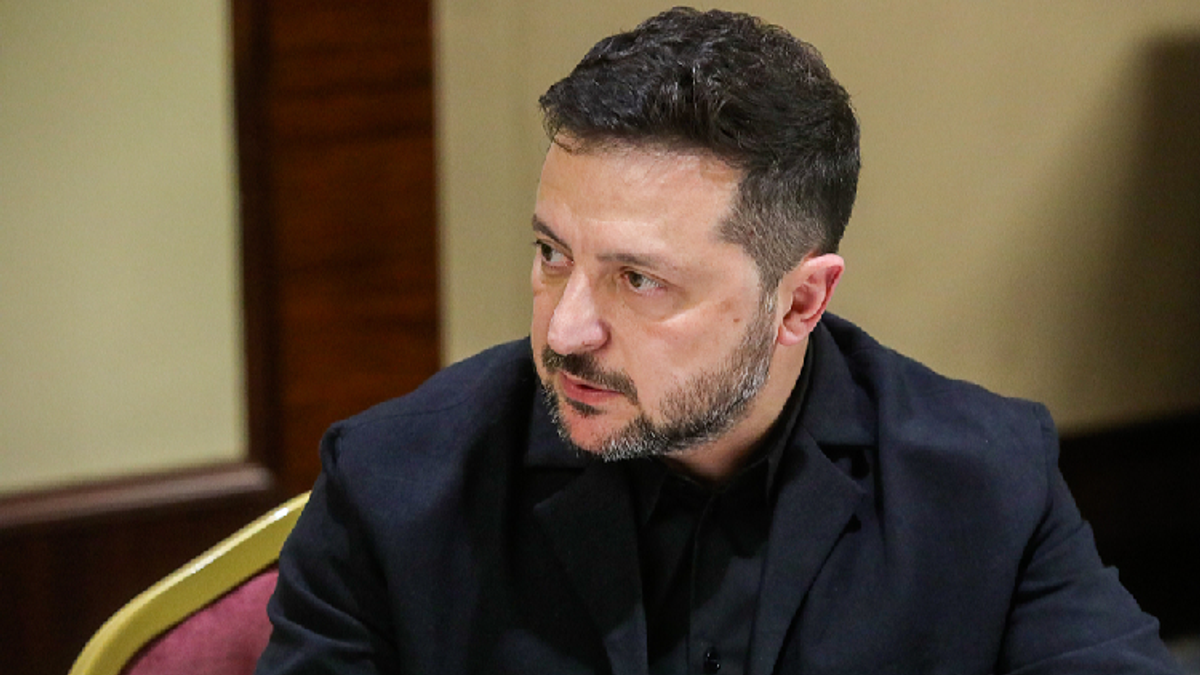
High-level talks in Miami, intended to solidify Western support for Ukraine on issues ranging from energy resilience to security guarantees, concluded prematurely. The abrupt end came amidst news of a direct deal between US President Donald Trump and Russian President Vladimir Putin, where the United States agreed to ease sanctions on Russian diesel exports in exchange for immediate supply to the global market. Ukrainian President Volodymyr Zelenskyy publicly voiced deep disappointment and a sense of betrayal, criticizing the US decision as "unfair and dishonest," while President Trump declined to address Zelenskyy's concerns, expressing only satisfaction with the agreement.
This diesel deal is not merely an energy transaction; it is a profound reordering of leverage and priorities, exposing the transactional underbelly of global power. For the United States, under the current administration, the move appears to prioritize immediate domestic economic relief, specifically lower fuel prices for consumers, over the established policy of isolating Russia through sanctions. This signals a return to a more nationalist, "America First" approach, where the perceived benefits to the US economy outweigh the solidarity of alliances. By unilaterally easing sanctions, the US has effectively undermined a core pillar of the Western strategy against Russia, demonstrating that economic expediency can trump geopolitical cohesion.
Russia, on the other hand, gains a significant victory. The deal offers a much-needed economic lifeline, injecting revenue into its war economy and demonstrating its resilience against Western pressure. More importantly, it shatters the perception of a unified Western front, creating fissures within the alliance supporting Ukraine. President Putin can now point to this agreement as proof that the West's resolve is weakening and that economic self-interest will ultimately prevail over ideological commitments. It also reasserts Russia's critical role as a global energy supplier, even amidst conflict, complicating efforts to fully decouple from its resources.
For Ukraine, the deal represents a diplomatic and strategic setback. The sanctions regime was designed to cripple Russia's ability to wage war, and any relaxation is perceived as a direct weakening of Kyiv's position. President Zelenskyy's strong reaction underscores the deep sense of vulnerability and betrayal. Ukraine relies heavily on Western unity and sustained pressure on Russia; this deal suggests that the commitment of its most powerful ally may be conditional and subject to domestic political calculations. It forces Kyiv to confront the reality that its fate is not solely in its hands, but also subject to the shifting priorities of its partners.
Europe finds itself in a precarious position. Many European nations have borne significant economic costs in upholding sanctions against Russia, often facing higher energy prices and supply disruptions. The US deal, while potentially lowering global diesel prices, could also re-entrench European reliance on Russian energy, despite years of effort to diversify. It also tests the cohesion of the European Union and the transatlantic alliance, forcing European leaders to reconcile their continued support for Ukraine with the US's diverging interests. The deal could embolden internal factions within Europe that advocate for a more pragmatic, less confrontational approach to Russia.
The immediate beneficiaries of this deal, if successful, would be American consumers, who might see a marginal reduction in diesel prices at the pump. However, the long-term human cost is borne disproportionately by the people of Ukraine and, more broadly, by the international system that relies on consistent principles and alliances.
For ordinary Ukrainians, this news is a profound blow to morale and a stark reminder of their precarious position. The perceived weakening of US resolve directly impacts their sense of security and the sustainability of their resistance. Every decision that eases pressure on Russia translates into a potentially longer, more brutal conflict, with continued loss of life, displacement, and destruction. The upcoming winter, a period when energy resilience is paramount, makes this perceived betrayal particularly acute. A less isolated Russia means a more resourced Russia, potentially prolonging the suffering of a nation already ravaged by war. The psychological toll of feeling abandoned by a key ally cannot be overstated, potentially fueling cynicism and despair among a population already enduring immense hardship.
Beyond Ukraine, the deal erodes trust in the international sanctions regime as a reliable tool of foreign policy. When sanctions can be unilaterally lifted for transactional gains, it sends a message to other aggressor states that the consequences of their actions might be temporary or negotiable. This instability impacts global markets, investment decisions, and the willingness of smaller nations to align with larger powers, fearing similar abandonment. The human cost here is a less predictable, more volatile world where established norms are easily discarded, potentially leading to greater conflict and humanitarian crises in the future.
While European consumers might benefit from cheaper diesel, the deal creates significant political strain within the EU. Leaders who have championed strong sanctions against Russia now face questions about the consistency of the transatlantic partnership. This internal division can lead to policy paralysis, making it harder for Europe to respond effectively to future crises. The human cost is a less unified, less influential Europe, less capable of protecting its own citizens' interests and values on the global stage.
The official statements from Washington emphasize the "constructive" nature of the Miami talks and the purported benefits of the diesel deal for global energy markets. What is conspicuously downplayed or omitted is the profound strategic recalculation this forces upon Kyiv and the long-term damage it inflicts upon the credibility of US alliances.
The untold story from the US perspective is the deep internal debate, or perhaps the lack thereof, regarding the long-term strategic costs of short-term economic gains. Is the deal purely about lowering fuel prices ahead of an election cycle, or does it signal a more fundamental shift in US foreign policy away from multilateralism and alliance-building towards a purely transactional approach? The powerful narrative of "America First" often omits the reality that global stability, underpinned by strong alliances, ultimately serves American interests. By prioritizing a diesel deal, the US risks alienating key partners, diminishing its global influence, and creating a vacuum that rivals like Russia and China are eager to fill. The true cost of this deal may not be measured in dollars and cents but in the erosion of trust and the weakening of the international order that the US itself helped build.
Moscow will frame this deal as a testament to its resilience and the futility of Western sanctions. The untold story, however, is the extent of Russia's economic pressure that made such a deal appealing in the first place. While the deal provides relief, it also highlights Russia's continued dependence on energy exports and its vulnerability to market forces. Putin's willingness to engage in such a transaction, despite the ongoing conflict, reveals a strategic pragmatism aimed at fracturing the Western coalition. The quiet victory for Russia is not just the economic benefit, but the psychological blow dealt to Ukraine and its allies, demonstrating that sanctions are not absolute and can be circumvented through direct negotiation with powerful actors.
European leaders, while publicly maintaining solidarity with Ukraine, are privately grappling with the implications of this US move. The untold story here is the growing anxiety within European capitals about the reliability of the US as a security guarantor and the future of the transatlantic alliance. This deal forces Europe to confront its own vulnerabilities – its continued reliance on external energy sources and its fragmented defense capabilities. There's an unspoken fear that this is not an isolated incident but a harbinger of a future where European security will increasingly depend on its own collective strength, rather than an unwavering US commitment.
Several critical indicators will reveal the true impact of this unexpected geopolitical maneuver.
First, observe the immediate reaction from European capitals. Will they publicly condemn the US deal, or will they quietly adjust their own energy and sanctions policies? Any significant divergence in European policy from the US stance would signal a deeper fracture in the transatlantic alliance. Look for statements from Germany and France in particular, as their responses will be key to understanding the future of European unity on this issue.
Second, monitor the US-Ukraine relationship. Will the diesel deal lead to a broader re-evaluation of US military and financial aid to Kyiv? Any noticeable slowdown or reduction in support would be a clear signal of shifting priorities. Pay attention to rhetoric from US officials regarding future commitments and any attempts to mend diplomatic fences with Zelenskyy.
Third, watch the global energy markets. While the deal aims to lower diesel prices, its long-term impact on market stability and the willingness of other nations to diversify away from Russian energy remains to be seen. Any significant price fluctuations or shifts in supply routes will indicate how effectively this deal reshapes the energy landscape.
Finally, observe Russia's diplomatic and military posture. Emboldened by this concession, will Moscow intensify its military operations in Ukraine, or will it pursue further transactional deals to undermine sanctions? The deal could be seen as an invitation for Russia to test the limits of Western resolve even further.
Source referenced: CGTN
This brief was synthesized by our Editorial Engine and reviewed by The Ground Narrative team.