TRENDING

Friday, 16 October 2026
----------------------
5 Jumada Al-Awwal 1448 AH
Israeli strikes in Gaza have killed five people, escalating tensions in the region. But what's behind this surge in violence, and what does it mean for the future of the conflict?
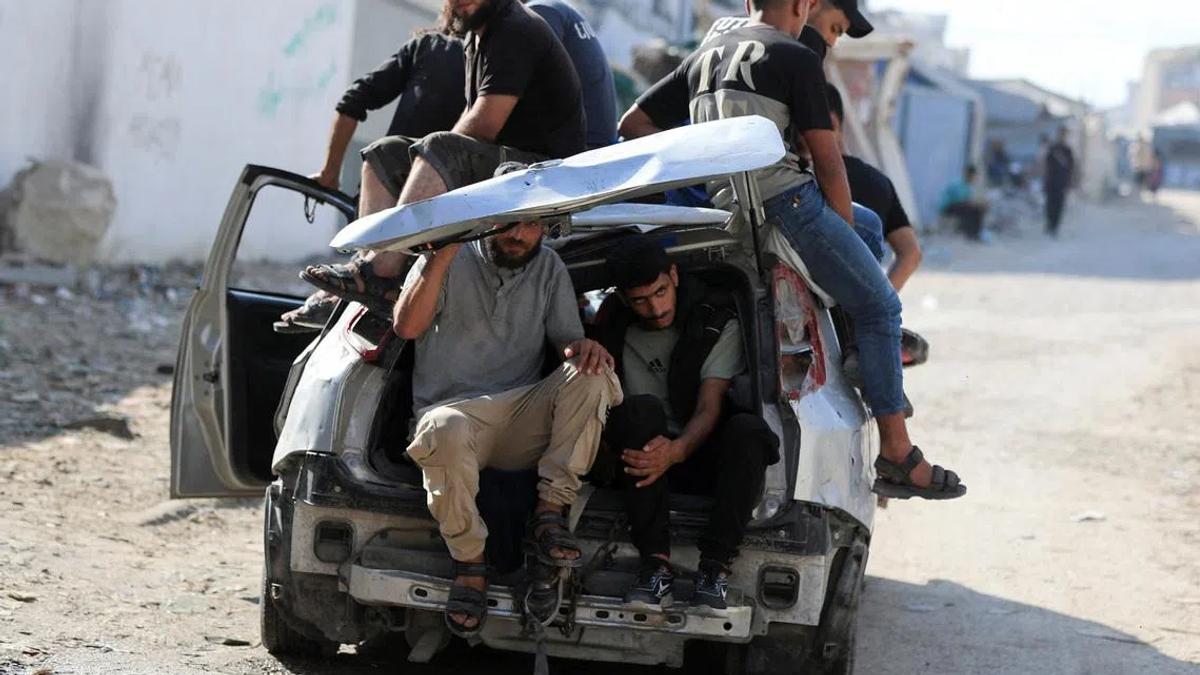
The recent Israeli strikes in Gaza, which have killed at least five Palestinians, are a stark reminder of the ongoing conflict between Israel and Hamas. But what's driving this surge in violence, and what does it mean for the future of the region?
The current truce between Israel and Hamas, which took effect in October 2023, has failed to bring lasting peace to the region. Despite a significant reduction in major fighting, near-daily Israeli strikes have continued, with over 40 airstrikes against Hamas and other militants in June alone. This is the highest monthly total since the ceasefire.
The Israeli military's actions are often justified as a necessary measure to thwart attacks by Gaza militants. However, the recent surge in strikes may be more than just a response to security concerns. With polls showing the opposition in the lead, Israeli Prime Minister Benjamin Netanyahu is facing growing domestic pressure to take a tougher security position against Hamas. This could be a calculated move to boost his popularity ahead of the upcoming legislative election in October.
The conflict in Gaza has far-reaching implications for the region. The nearly 2 million people living in Gaza, mostly in makeshift tents or damaged buildings, are trapped in a cycle of violence and poverty. The humanitarian situation is dire, with many struggling to access basic necessities like food, water, and healthcare.
The escalating violence in Gaza has significant consequences for the region and the world. A prolonged conflict could lead to further destabilization of the Middle East, with potential spillover effects on neighboring countries. It could also exacerbate the humanitarian crisis, with more people displaced and vulnerable to exploitation.
The recent Israeli strikes in Gaza are a complex issue, driven by a mix of security concerns, domestic politics, and regional dynamics. While the Israeli military's actions may be justified as a necessary measure to protect its citizens, the humanitarian cost of the conflict is undeniable. As the situation continues to escalate, it's essential to consider the long-term consequences of this violence and explore alternatives to military action.
The escalating Israeli strikes in Gaza are a stark reminder of the ongoing conflict between Israel and Hamas. While the motivations behind this surge in violence are complex and multifaceted, it's essential to consider the humanitarian cost of this conflict and explore alternatives to military action. As the situation continues to unfold, it's crucial to prioritize diplomacy and dialogue to find a lasting solution to this crisis.
Source referenced: STRAITSTIMES
This brief was synthesized by our Editorial Engine and reviewed by The Ground Narrative team.


