TRENDING

Thursday, 15 October 2026
----------------------
4 Jumada Al-Awwal 1448 AH
The passing of John Esposito, a renowned scholar of Islam and international affairs, marks the end of an era in understanding Islam-West relations. His pioneering work challenged Orientalist misrepresentations and paved the way for a new generation of scholars.
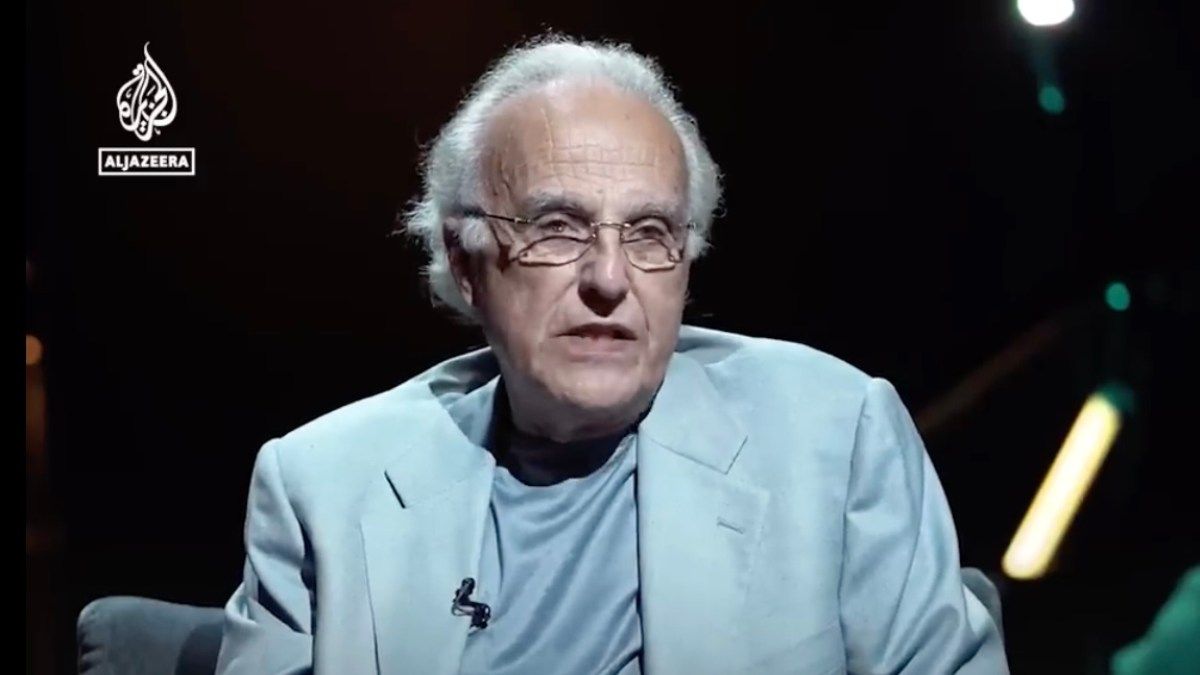
John Esposito, a prominent scholar of religion and international affairs, passed away on July 15, 2026, leaving behind a legacy that transformed how the West understood Islam. His work, spanning over five decades, challenged Orientalist misrepresentations and paved the way for a new generation of scholars.
Esposito's career coincided with a period of deep polarization in the West, particularly after the 1979 Iranian revolution and 9/11. The Western interest in Islam and Muslims emerged due to threats to United States national security, leading to a lack of unbiased and independent understanding of the topic. This context shaped the policy and public debate on Islam and Muslims, with themes of political revolution, mass violence, and perceived threats to global order dominating the narrative.
Esposito was an early and courageous scholar who challenged these misrepresentations by advancing a new understanding of religion, criticizing the dominant social science theories about political development. He astutely drew attention to a "secular bias" that informed mainstream intellectual debates in the West on the relationship between religion and politics. By contrast, Esposito interpreted the politics of the Muslim world from the Muslim world's own experience, not from a Western normative framework.
Esposito's work on political Islam was pioneering, focusing on the social conditions and collective aspirations that rendered political Islam appealing to diverse constituencies across the Middle East and the broader Muslim world. He highlighted the core aspirations that animated political Islam: dignity, justice, self-determination, and opposition to external domination. These same aspirations made political Islam a resilient and enduring force.
Esposito's impact on our collective education and understanding of Islam-West relations is unique and immeasurable. His work has created room for understanding in lieu of prejudice, and his intellectual insights have allowed a younger generation of scholars to build on and expand upon his pioneering research. Those who care about universal values rooted in international law, human rights, democracy, and cross-cultural understanding are deeply in his debt.
We are unlikely to see a scholar in our lifetime again who can match John Esposito's moral and intellectual caliber. His legacy serves as a reminder of the importance of challenging Orientalist misrepresentations and promoting cross-cultural understanding in a world marked by increasing polarization and division.
John Esposito's passing marks the end of an era in understanding Islam-West relations. His pioneering work has left an indelible mark on the field of Islamic studies, and his legacy will continue to inspire future generations of scholars. As we reflect on his contributions, we are reminded of the importance of promoting cross-cultural understanding and challenging Orientalist misrepresentations in a world that desperately needs it.
Editor's Note: This analysis is based on the available information and is not subject to any uncertainty.
Source referenced: ALJAZEERA
This brief was synthesized by our Editorial Engine and reviewed by The Ground Narrative team.