TRENDING

Thursday, 15 October 2026
----------------------
4 Jumada Al-Awwal 1448 AH
China's deployment of health experts to Uganda's Ebola response highlights its growing role in global health governance and multilateral cooperation.
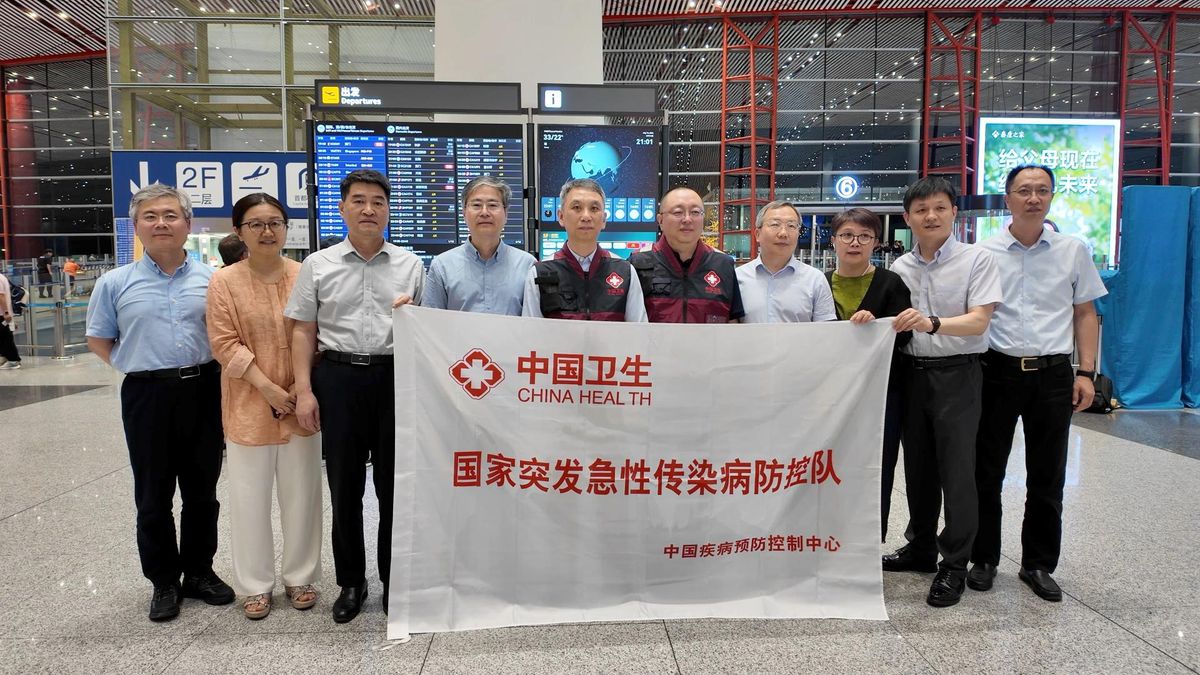
China's decision to embed two senior public health experts in the multilateral Incident Management Support Team (IMST) in Uganda to battle the Ebola outbreak marks a significant step in its growing involvement in global health governance. This move underscores China's commitment to strengthening its partnerships with international health organizations, such as the World Health Organization (WHO) and the Africa Centres for Disease Control and Prevention (Africa CDC).
China's health diplomacy has undergone significant transformations in recent years, shifting from a primarily domestic focus to a more outward-facing approach. This shift is driven by China's growing economic and political influence, as well as its recognition of the interconnectedness of global health challenges. China's participation in the WHO's Global Outbreak Alert and Response Network (GOARN) and its contributions to the development of the WHO's International Health Regulations (IHR) demonstrate its commitment to multilateral cooperation in health.
China's involvement in the Ebola response in Uganda highlights its growing presence in Africa, a region critical to global health security. China's Belt and Road Initiative (BRI) has led to increased economic and infrastructure investments in Africa, which has, in turn, facilitated its growing engagement in regional health initiatives. The Africa CDC's partnership with China on the IMST reflects the continent's recognition of China's expertise and resources in addressing health challenges.
China's growing role in global health governance has significant geopolitical implications. As a major player in the WHO and other international health organizations, China is increasingly influencing global health policy and decision-making. This development may lead to a shift in the global health landscape, with China potentially playing a more prominent role in shaping international health standards and regulations. The implications of this shift are far-reaching, with potential consequences for global health security, economic development, and geopolitical stability.
China's health diplomacy is driven by a combination of strategic motivations, including its desire to enhance its global influence, promote its economic interests, and address its own health challenges. By engaging in multilateral health initiatives, China seeks to demonstrate its commitment to global health security, while also promoting its own interests and values. This approach reflects China's recognition of the interconnectedness of global health challenges and its desire to play a more prominent role in addressing these challenges.
China's deployment of health experts to Uganda's Ebola response marks a significant step in its growing involvement in global health governance. This development highlights China's commitment to multilateral cooperation, its recognition of the interconnectedness of global health challenges, and its desire to promote its own interests and values. As China continues to play a more prominent role in global health initiatives, its geopolitical implications will only continue to grow, with far-reaching consequences for global health security, economic development, and geopolitical stability.
Source referenced: CGTN
This brief was synthesized by our Editorial Engine and reviewed by The Ground Narrative team.