TRENDING

Friday, 16 October 2026
----------------------
5 Jumada Al-Awwal 1448 AH
The 2026 FIFA World Cup, co-hosted by the United States, Canada, and Mexico, is poised to redefine global football through its unprecedented scale, aggressive commercialization, and the intricate interplay of sports and high-stakes international politics. This event transcends mere athletic competition, serving as a significant platform for soft power projection, economic influence, and diplomatic maneuvering.
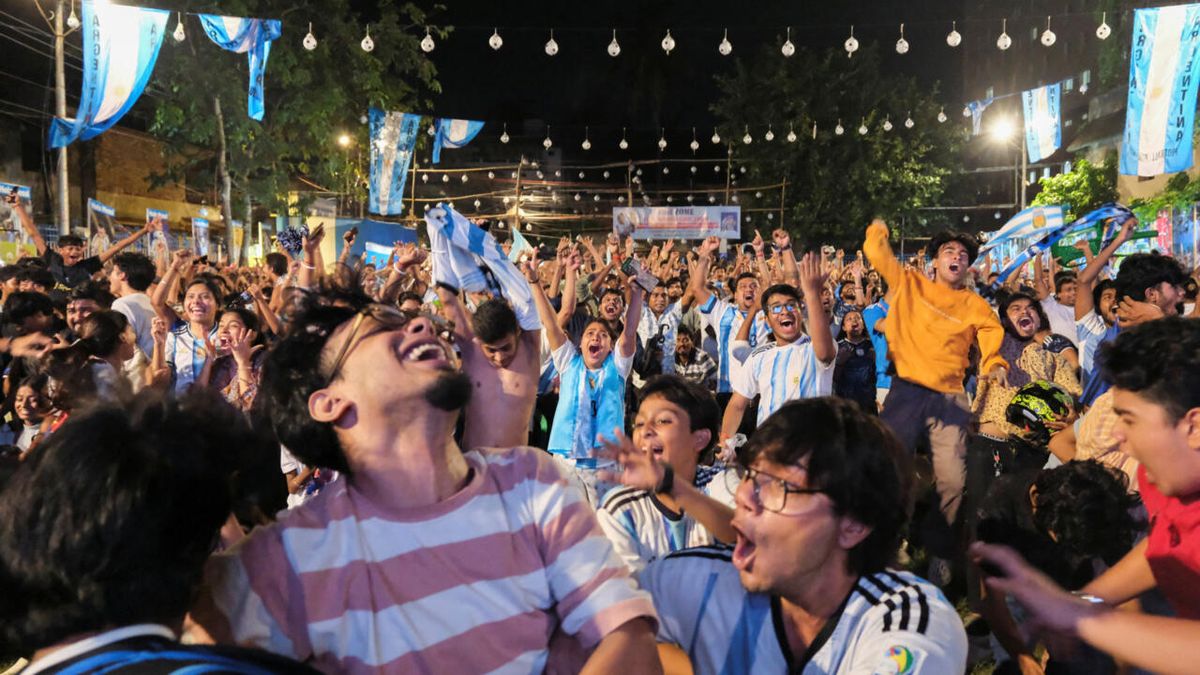
The 2026 FIFA World Cup, concluding with a final in New York on July 20, 2026, marks a pivotal moment in the history of international sports. Co-hosted by three North American nations—the United States, Canada, and Mexico—this tournament is the largest ever, featuring 64 teams and generating record ticket revenues. Beyond the on-field drama, epitomized by Lionel Messi leading Argentina to a second consecutive final against Spain, the event's true legacy is being shaped by its profound geopolitical, economic, and cultural implications.
One of the most striking aspects of the 2026 World Cup is the pervasive influence of what observers term "American-style packaging." This approach prioritizes spectacle and commercial viability, manifesting in innovations such as commercial breaks disguised as water breaks, frequent television cutaways to celebrities during live action, and even controversial decisions like overturned red cards, allegedly to appease host nation interests. This commercialization extends to the bending of rules, as seen with the inclusion of Lionel Messi's Inter Miami side in the Club World Cup, underscoring the immense commercial power of star athletes and the willingness of organizers to leverage it for broader appeal and revenue.
This shift raises critical questions about the integrity and traditional identity of football. While it promises unprecedented financial returns for FIFA and the host nations, it also risks alienating purist fans who value the uninterrupted flow and inherent drama of the game. From a geopolitical perspective, this commercial strategy represents a significant soft power projection by the United States, showcasing its entertainment industry prowess and attempting to imprint its cultural approach onto a globally beloved sport. The success or backlash against this model will undoubtedly influence future international sporting events and the delicate balance between tradition and commercial innovation.
The World Cup final in New York is not merely a sporting contest but a high-profile diplomatic stage. The potential presence of figures such as former U.S. President Donald Trump, flanked by his Argentinian far-right ally Javier Milei, and Spain's left-led Prime Minister Pedro Sanchez—a leader with whom Trump has previously threatened to sever ties—underscores the event's role in international relations. Such a gathering provides a unique opportunity for both overt and subtle political signaling, bilateral discussions, and the projection of alliances or rivalries on a global platform.
Major international events like the World Cup frequently serve as informal summits, allowing leaders to engage in 'stadium diplomacy' away from formal negotiation tables. The optics of who stands with whom, and the nature of their interactions, can convey powerful messages about geopolitical alignments, economic partnerships, and ideological solidarity. For the host nations, particularly the United States, facilitating such a high-stakes political gathering while managing the sporting spectacle is a complex diplomatic undertaking, highlighting the intersection of sports, politics, and national interest.
The record ticket pricing and the sheer scale of the 2026 World Cup underscore the immense economic stakes involved. Hosting such an event brings substantial revenue through tourism, infrastructure development, media rights, and sponsorships. For the co-hosts, it represents a significant economic boon and an opportunity to boost their global profiles. However, the escalating commercialization also raises concerns about accessibility for average fans and the potential for the sport to become increasingly exclusive.
Looking ahead, the legacy of this "star-spangled World Cup" will likely be debated for years. Will it be remembered for its thrilling on-field moments, or for fundamentally altering the global perception and presentation of football? The tournament's blend of unprecedented scale, aggressive commercialization, and its function as a geopolitical stage suggests a new paradigm for global sports. It highlights how major events are increasingly leveraged not just for athletic competition, but as powerful instruments of soft power, economic policy, and international diplomacy, forever changing the landscape of global football and its place in the world order.
Source referenced: FRANCE24
This brief was synthesized by our Editorial Engine and reviewed by The Ground Narrative team.