TRENDING

Monday, 5 October 2026
----------------------
24 Rabi' Al-Thani 1448 AH
The Trump administration's intensified pressure on Cuba marks a disturbing revival of the US's imperial tradition in Latin America, echoing the country's history of expansionism and occupation.
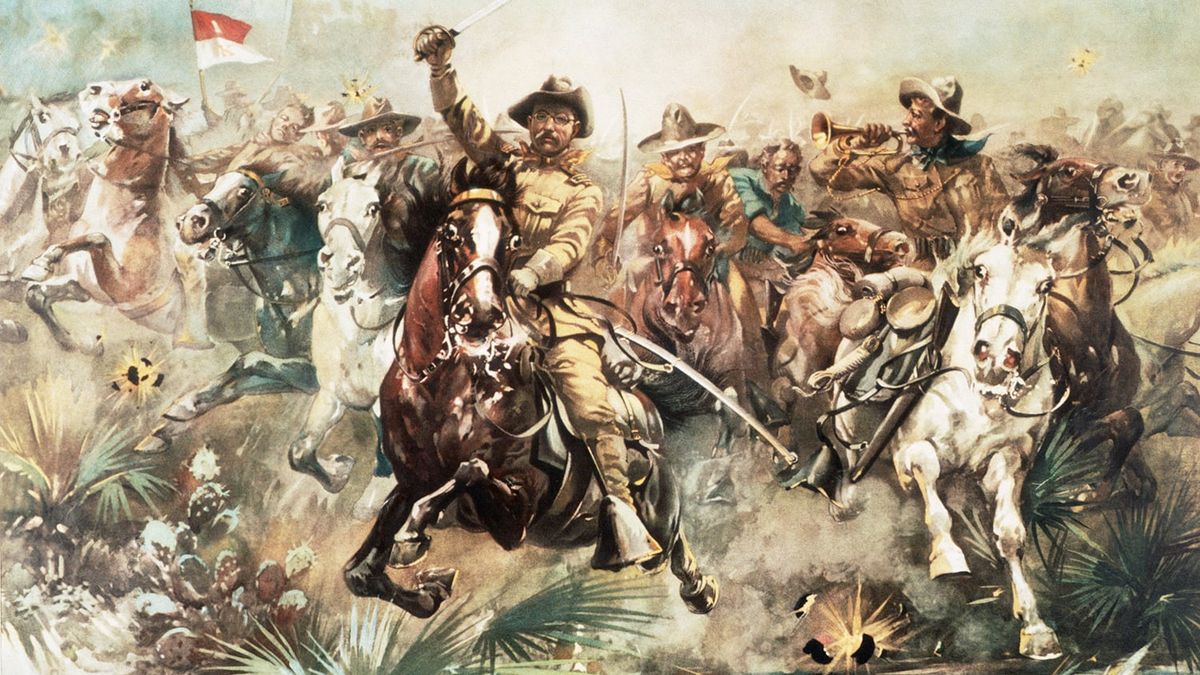
The Trump administration's recent actions against Cuba have sparked concerns about a potential new military intervention in the Caribbean. This development is not an isolated incident, but rather a continuation of the United States' long history of imperialism in Latin America.
The US's imperial tradition in Latin America dates back to the Spanish-American War of 1898, when the country 'went to the aid of Cuba' and 'won an empire.' This event marked the beginning of a period of US expansionism in the region, which saw the acquisition of territories such as Puerto Rico, Guam, and the Philippines.
Despite its imperial past, the US has often presented itself as a champion of democracy and freedom. However, this narrative has been carefully crafted to downplay the country's darker chapters, including occupations and annexations. The US has instead offered a sanitized version of its imperial history, emphasizing the country's 'good intentions' and 'selfless' actions.
The US's imperial legacy has been perpetuated through education, with many history textbooks presenting a whitewashed version of the country's past. The American Pageant, a high school history textbook, is a prime example of this. The book acknowledges the US's imperial power, but frames it as a 'drunken fit of idealism' that ultimately led to the country's 'fall through the cellar door of imperialism.'
The Trump administration's actions against Cuba mark a disturbing revival of the US's imperial tradition in Latin America. This development has significant implications for regional stability and global relations. If the US continues down this path, it will undermine its own credibility as a champion of democracy and freedom, and risk destabilizing the region.
The US's imperial legacy is a complex and multifaceted issue that requires a nuanced understanding. Rather than perpetuating a sanitized version of history, the country needs to confront its darker chapters and acknowledge the harm caused by its imperial actions. This will require a new narrative that acknowledges the US's flaws and limitations, and promotes a more honest and inclusive understanding of its place in the world.
The Trump administration's actions against Cuba mark a disturbing revival of the US's imperial tradition in Latin America. This development has significant implications for regional stability and global relations, and highlights the need for a new narrative that acknowledges the US's flaws and limitations. By confronting its imperial legacy, the US can promote a more honest and inclusive understanding of its place in the world, and work towards a more just and equitable global order.
Editor's Note: The analysis is based on historical context and publicly available information, but may not reflect the full complexity of the issue.
Source referenced: FOREIGNPOLICY
This brief was synthesized by our Editorial Engine and reviewed by The Ground Narrative team.


