TRENDING

Monday, 5 October 2026
----------------------
24 Rabi' Al-Thani 1448 AH
The US has sold two sanctioned oil tankers for scrap, seized after a raid on Venezuela, but the real story lies in the power struggle between nations and the human cost of economic sanctions. The sale of the tankers, previously used to transport oil from Venezuela and Iran, highlights the complexities of international sanctions and their impact on global trade.
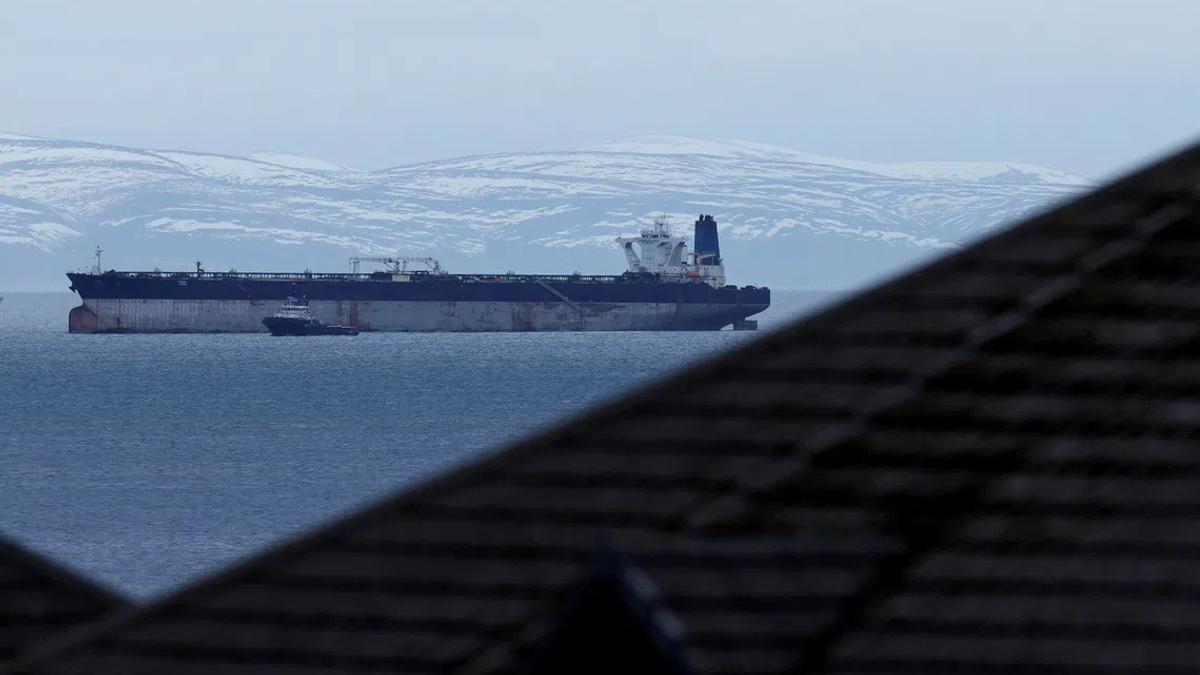
The US government has sold two sanctioned oil tankers, the Era and the Lileo, for scrap to a Dubai-based vessel recycling firm, Global Marketing Systems. The tankers, previously flagged as Russian, were seized by the US Coast Guard and military special forces in January after a pursuit across the Atlantic. The vessels had been used to transport sanctioned oil from Venezuela and Iran, according to Washington.
The seizure and sale of the tankers are part of a larger power struggle between the US, Venezuela, and Russia. The US has imposed economic sanctions on Venezuela and Iran, aiming to curb their oil exports and exert pressure on their governments. However, these sanctions have had far-reaching consequences, affecting not only the targeted nations but also global trade and the livelihoods of people involved in the oil industry. The use of sanctions as a tool of foreign policy has become increasingly common, but their effectiveness and human cost are often debated.
The human cost of these sanctions and the seizure of the tankers is significant. The crews of the tankers, often from developing countries, face uncertainty and potential unemployment. The communities that rely on the oil industry for their livelihoods are also affected, as the sanctions disrupt the global supply chain. Furthermore, the sanctions on Venezuela and Iran have had a devastating impact on the civilian populations, limiting access to essential goods and services. The real victims of these sanctions are often the ordinary people, not the governments or elites.
What is often downplayed in the official statements is the role of Russia in the Venezuelan oil trade. The fact that the tankers were flagged as Russian and had been used to transport sanctioned oil suggests a level of cooperation between Russia and Venezuela. This cooperation is not surprising, given the close ties between the two nations, but it highlights the complexities of international relations and the blurred lines between economic and geopolitical interests. The US government's decision to sell the tankers for scrap rather than using them for their intended purpose also raises questions about the true motives behind the sanctions.
As the situation in Venezuela and the global oil market continues to evolve, readers should watch for further escalation of sanctions and their impact on global trade. The reaction of Russia and other nations to the US actions will also be crucial, as they may respond with counter-measures or seek to circumvent the sanctions. Ultimately, the human cost of these actions must not be forgotten, and the international community must consider the long-term consequences of using economic sanctions as a tool of foreign policy.
Editor's Note: The analysis is based on publicly available information and may not reflect the full complexity of the situation.
Source referenced: STRAITSTIMES
This brief was synthesized by our Editorial Engine and reviewed by The Ground Narrative team.


