TRENDING

Monday, 5 October 2026
----------------------
24 Rabi' Al-Thani 1448 AH
A powerful earthquake has struck Colombia, killing at least 285 people and leaving thousands injured or missing. As rescue efforts continue, the disaster poses a significant challenge to the country's new president, Abelardo De La Espriella. The humanitarian crisis also risks exacerbating existing social and economic tensions in the region.
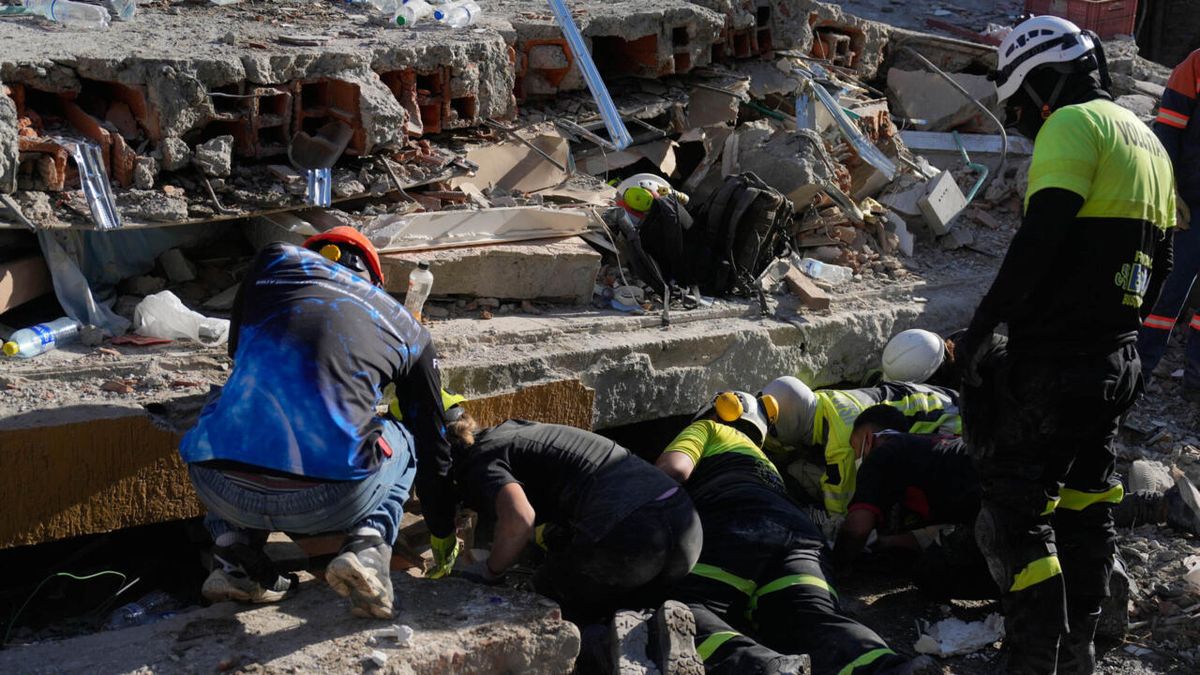
A 7.4-magnitude earthquake struck western Colombia on Monday, causing widespread destruction and loss of life. The epicentre of the quake was located in the Choco department, with the cities of Pereira, Cali, and Buenaventura among the hardest hit. As of Friday, authorities reported 285 deaths, nearly 4,000 injuries, and around 400 people still missing.
The earthquake has presented President De La Espriella with his first major crisis since taking office. The government's response to the disaster will be closely watched, particularly in terms of providing aid to affected communities and managing the recovery efforts. The UN refugee agency has warned that the earthquake could trigger fresh displacement in a country already grappling with conflict, migration, and other humanitarian pressures. This adds an extra layer of complexity to the government's response, as it must balance the need to provide immediate relief with the longer-term goal of supporting displaced populations.
The earthquake has had a devastating impact on local communities, with tens of thousands of homes damaged or destroyed. Many Colombians are now sleeping in shelters or outside, unsure of when they will be able to return to their homes. The disaster has also disrupted essential services, including healthcare and education. The human cost of the earthquake is not limited to the immediate aftermath; it will likely have long-term consequences for the social and economic fabric of the affected regions.
While the government's response to the disaster has been the focus of attention, there are concerns that the needs of marginalized communities may be overlooked. The earthquake has struck a region already affected by conflict and poverty, and there is a risk that these communities will be further disadvantaged in the recovery efforts. Additionally, the government's handling of the disaster has been criticized, with some arguing that the response has been slow and inadequate. As the situation continues to unfold, it will be important to monitor the government's actions and ensure that all affected communities receive the support they need.
In the coming days and weeks, it will be essential to monitor the government's response to the disaster, including the distribution of aid and the management of recovery efforts. The international community will also be watching, with the UN refugee agency and other organizations providing support to affected populations. As the situation stabilizes, attention will turn to the longer-term implications of the earthquake, including the potential for increased displacement and the impact on the country's social and economic development. The ability of President De La Espriella to navigate this crisis will be a key test of his leadership and a significant factor in shaping the country's future.
Editor's Note: The situation on the ground is still evolving, and the full extent of the damage and humanitarian needs may take some time to become clear.
Source referenced: FRANCE24
This brief was synthesized by our Editorial Engine and reviewed by The Ground Narrative team.