TRENDING

Monday, 12 October 2026
----------------------
1 Jumada Al-Awwal 1448 AH
Donald Trump announced an alleged ‘energy ceasefire’ between Russia and Ukraine, but no verification followed. The claim masks deeper power plays while Ukrainian families endure rolling blackouts.
Donald Trump posted on his social platform that Russia and Ukraine had agreed to an "energy ceasefire" effective immediately. The brief statement offered no details, and neither Kyiv nor Moscow issued a confirming comment. Within hours, the claim was amplified by sympathetic media outlets, while independent monitors reported no observable change in electricity flows.
In the weeks leading up to the 2026 midterm elections, Trump has been courting voters who are weary of endless foreign entanglements. By portraying himself as a peacemaker who can coax an end to Ukraine’s power crisis, he seeks to reclaim the narrative of decisive leadership. The claim also serves to distract from domestic controversies surrounding his administration’s handling of energy prices at home.
For Russia, electricity has become a low‑intensity weapon that complements its traditional gas and oil embargoes. By throttling power supplies to Ukrainian grid nodes, Moscow can pressure Kyiv without triggering a full‑scale military escalation. An alleged ceasefire, even if symbolic, allows Russia to claim humanitarian concern while preserving the option to re‑impose cuts at a moment’s notice.
Ukraine entered the war with an aging grid heavily damaged by missile strikes. The country relies on a patchwork of imported electricity, emergency generators, and limited domestic generation. Any pause in hostilities that eases the flow of power can buy time for repairs, but it also creates a bargaining chip that Kyiv must weigh against political concessions.
The United States, while publicly supporting Kyiv, has been cautious about direct involvement in energy negotiations. A Trump‑driven narrative of a ceasefire can relieve pressure on Washington to supply additional fuel or financing, shifting the burden onto NATO allies. At the same time, it lets the U.S. signal to Russia that Washington is willing to entertain back‑channel deals without formal diplomatic endorsement.
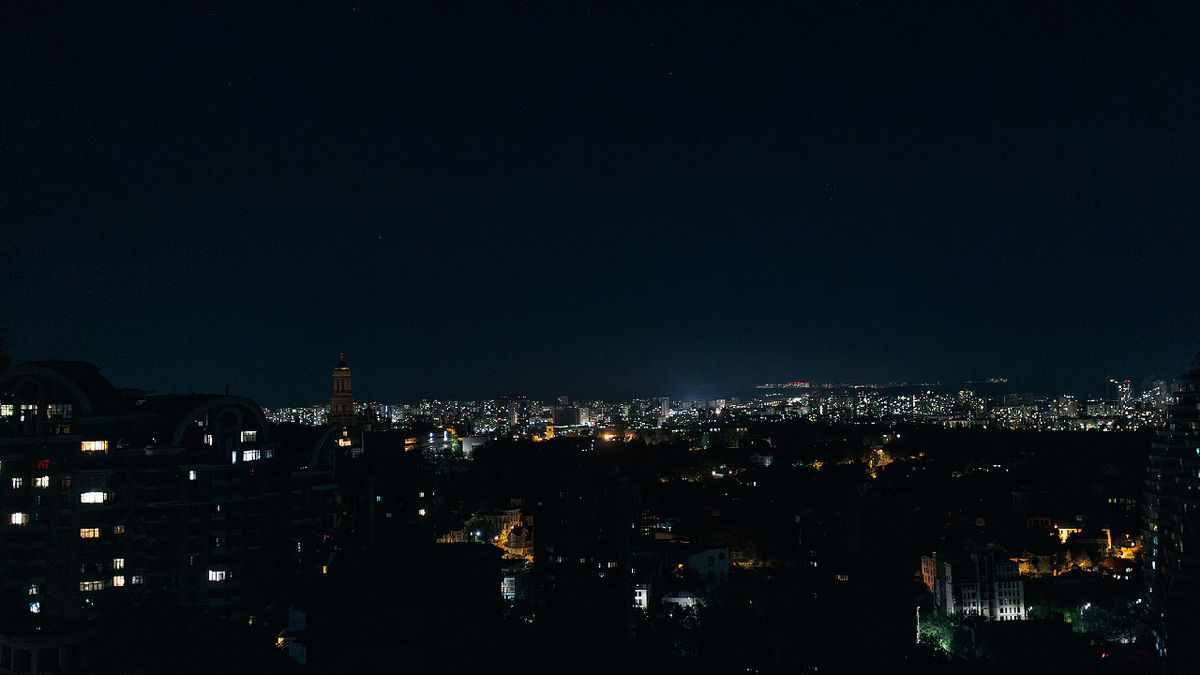
Since early October, Kyiv has endured intermittent blackouts affecting schools, businesses, and residential blocks. Families are forced to cook on open flames, and children study by candlelight. The psychological toll of darkness compounds the trauma of shelling, eroding a sense of normalcy that many hoped to rebuild.
Medical facilities depend on uninterrupted power for life‑support equipment, refrigeration of vaccines, and surgical lighting. When the grid falters, hospitals resort to diesel generators that are costly and noisy, and they risk fuel shortages if supply lines are disrupted. Patients with chronic conditions face heightened risk, and mortality rates can climb in just a few days of sustained outage.
Small manufacturers, farms, and tech startups report lost production hours, spoiled goods, and damaged equipment. The cumulative loss translates into lower tax revenues for a war‑torn economy already stretched thin. Workers forced to stay home see wages evaporate, deepening poverty in regions already scarred by conflict.
Neither the International Energy Agency nor reputable grid operators have confirmed a ceasefire, and satellite data shows no significant change in night‑time illumination over Ukrainian territory. The silence from on‑the‑ground observers suggests the claim may be more political theater than operational reality.
Trump‑aligned news outlets replayed the announcement without demanding evidence, framing it as a diplomatic breakthrough. In contrast, mainstream outlets offered cautious skepticism, often buried beneath headlines about election politics. This split coverage creates a perception gap that benefits actors who thrive on ambiguity.
Analysts note that Russia has previously used temporary energy reductions to test Ukrainian resilience and gauge international reaction. A declared ceasefire can serve as a diplomatic shield, allowing Moscow to regroup, repair damaged transmission lines, or reposition forces without overtly violating a truce.
Readers should monitor official statements from Kyiv’s Energy Ministry and the Russian Ministry of Energy for any concrete timetable or verification of power deliveries. Satellite night‑light imagery released by independent observatories will provide a visual barometer of grid stability. Additionally, watch for shifts in U.S. congressional hearings on foreign aid, as any move to formalize a ceasefire could reshape budget allocations ahead of the upcoming elections. Finally, keep an eye on NATO’s diplomatic language; a softened stance may indicate broader acceptance of a negotiated pause, while a hardening tone could signal renewed pressure on Moscow.
No. Both Kyiv and Moscow have remained silent, and independent monitors have not observed any measurable change in electricity flows.
The claim bolsters his image as a peace broker ahead of elections, distracts from domestic issues, and pressures allies to reconsider their level of support for Ukraine.
It would restore power to hospitals, schools, and homes, reducing the humanitarian strain of blackouts, but any pause could be fragile and subject to rapid reversal.
Editor's Note: Analysis based on publicly available statements and satellite data; on‑ground verification remains limited.
Source referenced: CGTN
This brief was synthesized by our Editorial Engine and reviewed by The Ground Narrative team.