TRENDING

Monday, 12 October 2026
----------------------
1 Jumada Al-Awwal 1448 AH
South Sudanese President Salva Kiir has mandated that all constitutional office holders must seek his personal approval for foreign travel, a move that follows the dissolution of the transitional unity government and precedes critical elections. This directive, alongside an earlier unverified document, signals a significant consolidation of power by the president.
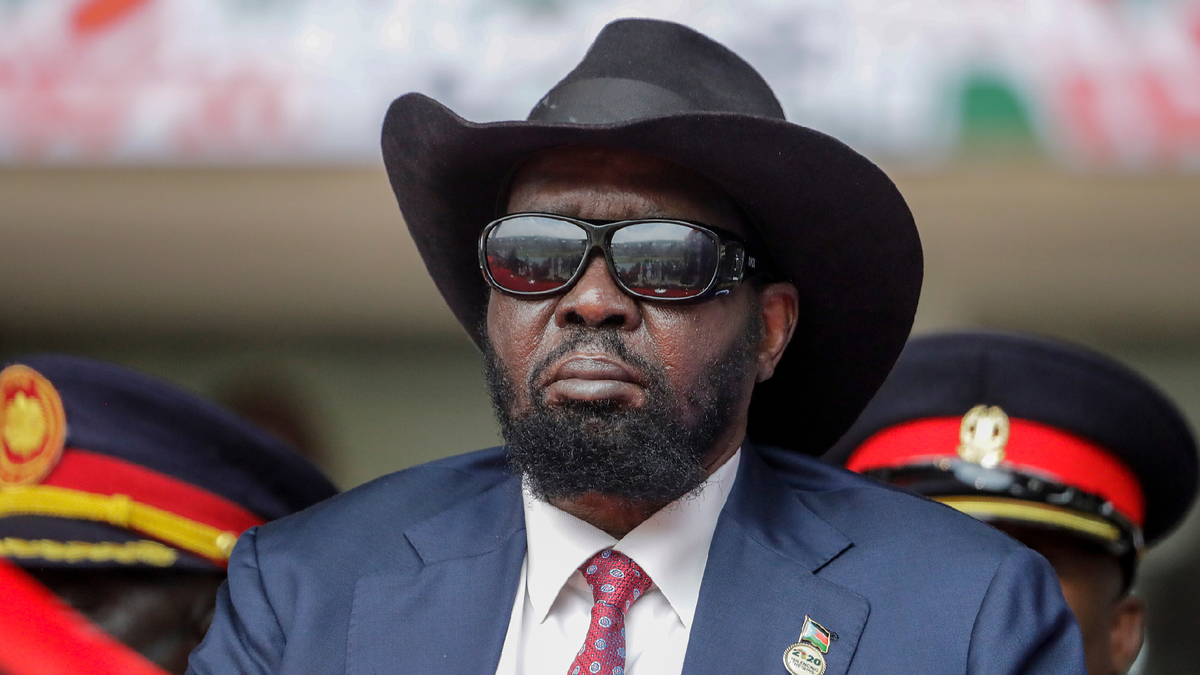
South Sudanese President Salva Kiir recently reiterated a directive requiring all officials holding constitutional offices to obtain his personal approval before undertaking any foreign travel. This public restatement came during a briefing to the expanded caretaker government in Juba, following his diplomatic visits to Kenya and South Africa. The directive surfaced after a document dated October 3, which reportedly imposed a three-month travel prohibition on senior government officials and members of the organized forces without presidential consent, circulated publicly. This move follows Kiir's unilateral dissolution of the transitional unity government and legislative assemblies on September 22, which saw the dismissal of five vice presidents and the establishment of a caretaker administration to manage state affairs ahead of elections slated for December.
President Salva Kiir's directive to control the foreign travel of his officials is a clear and forceful demonstration of power consolidation, particularly in the volatile political landscape of South Sudan. By grounding key figures, Kiir effectively limits their ability to engage in external lobbying, coordinate with opposition groups, or even seek asylum abroad, thereby neutralizing potential threats to his authority. This measure, coupled with the prior dissolution of the transitional unity government and legislative assemblies, systematically dismantles existing checks and balances, centralizing decision-making power squarely within the presidency.
The timing of this move, just months before the scheduled December elections, is critical. It allows Kiir to meticulously manage the political narrative and control who participates in, or influences, the electoral process. Officials who might otherwise travel to secure international support for alternative political agendas, or even to raise funds, are now constrained. This creates an uneven playing field, significantly favoring the incumbent and his allies. The inclusion of
President Kiir's directive aims to consolidate his power and control the political narrative ahead of the upcoming December elections. It also seeks to prevent potential dissent, external lobbying, or capital flight by key figures within the government and security forces.
The travel ban, coupled with the dissolution of the transitional government, indicates a fragile political environment. It raises concerns about the fairness of elections, undermines the peace agreement, and could lead to increased internal tensions and a further erosion of democratic institutions.
Ordinary citizens face reduced accountability and a weakening of democratic institutions, limiting their voice in governance. Officials lose personal freedoms, and the overall climate of uncertainty can deter investment, impacting the broader economy and the prospects for genuine peace and development for all South Sudanese.
Source referenced: CGTN
This brief was synthesized by our Editorial Engine and reviewed by The Ground Narrative team.


