TRENDING

Monday, 12 October 2026
----------------------
1 Jumada Al-Awwal 1448 AH
North Korea’s recent sea‑bound missile salvo is more than a show of force; it reshapes regional power math and drags ordinary coastal communities into the fallout.
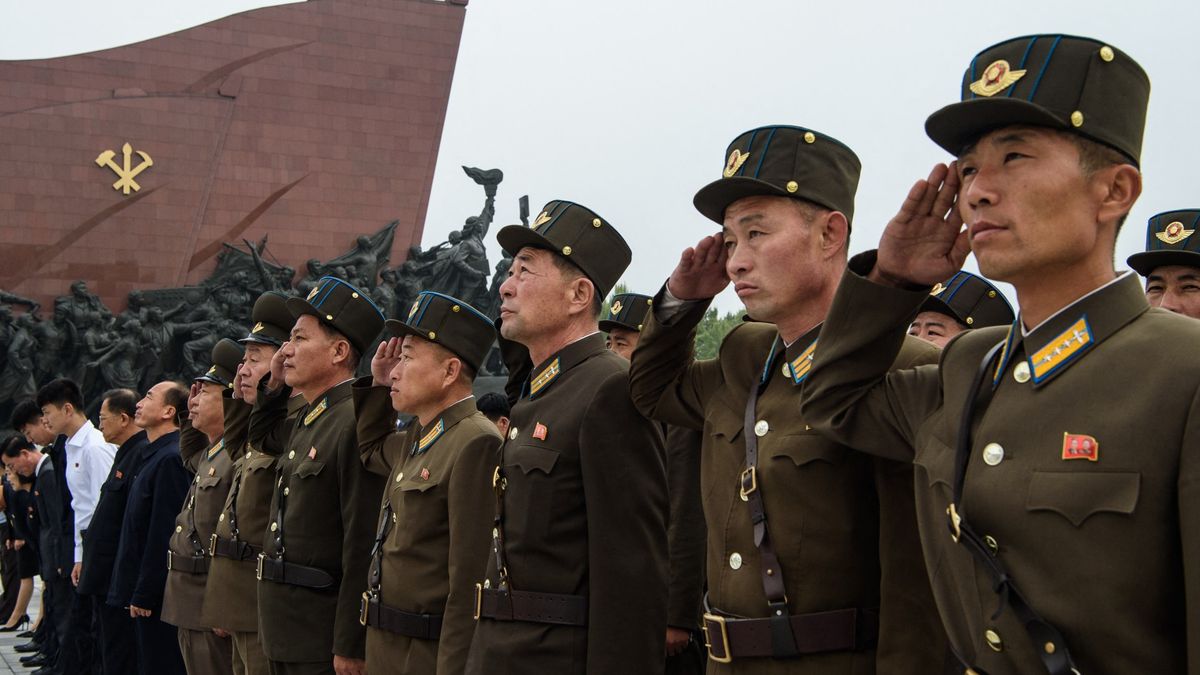
North Korea fired multiple ballistic missiles toward the East Sea on 12 October 2026, with at least one traveling over 900 km before splashing down in international waters. South Korea’s Joint Chiefs of Staff confirmed the launch but did not disclose the exact number of projectiles, while Japan’s coast guard reported two unidentified objects that appeared to have already fallen.
South Korea’s hypersonic missile test earlier that week set the immediate backdrop for Pyongyang’s response. By launching its own missiles, the North signals that it can match or at least contest Seoul’s emerging strike capabilities, preserving a deterrent edge that underpins the regime’s survival strategy.
Kim Jong Un faces a delicate balance: maintaining elite loyalty, projecting strength to a population starved of information, and diverting attention from chronic economic shortages. High‑visibility missile launches serve as rallying points, reinforcing the narrative of a defiant state that can stand up to external pressure.
The missile salvo also functions as a bargaining chip in the broader U.S.–North Korea stalemate. By demonstrating reach beyond its borders, Pyongyang raises the stakes for any future negotiations, hoping to extract concessions—such as sanctions relief or security guarantees—while keeping the United Nations Security Council resolutions in the crosshairs.
For Japan and South Korea, the launch forces a recalibration of defense postures. Both allies must decide whether to deepen missile‑defence deployments, which in turn obliges the United States to allocate additional resources to a theater already stretched by commitments in Europe and the Indo‑Pacific. The cost‑benefit calculus is now entangled with domestic political pressures in Seoul and Tokyo, where leaders must appear tough on the North while avoiding escalation.
While headlines focus on rockets and rhetoric, ordinary people bear the brunt of the fallout. The missile trajectories over the East Sea intersect with busy fishing zones, threatening livelihoods that already wrestle with depleted stocks and sanctions‑induced market access limits.
Coastal villages in South Korea’s Gangwon Province and North Korea’s Hamgyŏng‑namdo report heightened anxiety as naval patrols increase and fishing vessels are forced to curtail trips. Each lost day at sea translates into lost income, food insecurity, and a growing sense of abandonment by distant governments.
The broader maritime trade routes that thread through the East Sea experience brief disruptions whenever missile tests trigger air‑space closures. Shipping companies reroute vessels, inflating fuel costs and delaying cargo—effects that ripple through supply chains for electronics, automotive parts, and consumer goods across East Asia.
South Korean soldiers stationed along the Demilitarized Zone (DMZ) remain on high alert, their daily routines punctuated by sirens and rapid‑deployment drills. The psychological strain of living under a perpetual threat environment contributes to rising rates of stress‑related disorders, a cost rarely quantified in official briefings.
Official statements from Pyongyang and Seoul paint a picture of disciplined, purposeful action, but several layers remain hidden from public view.
North Korea’s missile program consumes a disproportionate share of a fragile economy already crippled by sanctions and natural disasters. The regime’s willingness to allocate scarce resources to rockets suggests a calculated gamble: short‑term hardship for long‑term political survival.
The United Nations Security Council has condemned the launch, yet concrete enforcement mechanisms remain weak. Major powers, preoccupied with crises in Europe and the Middle East, are reluctant to impose additional punitive measures that could destabilize an already volatile peninsula.
International coverage emphasizes the technical specifications of the missiles, sidelining stories of fishermen who cannot afford to wait for the next wave of subsidies. This framing sustains a narrative of state‑to‑state rivalry while muting the human dimension that fuels resentment on both sides of the border.
Analysts should monitor three converging trends: first, South Korea’s next missile development milestones, which will test the limits of its indigenous defence industry; second, any diplomatic overtures from Washington or Beijing that attempt to mediate the stalemate, especially as U.S. mid‑term elections approach; and third, the response of North Korean local officials to growing economic pressure, which could manifest as either intensified launches or a rare concession to dialogue. The interplay of these variables will shape whether the Korean Peninsula slides toward further militarisation or finds a narrow opening for de‑escalation.
The launch was a direct response to South Korea’s hypersonic missile test, aiming to demonstrate deterrence, reinforce domestic legitimacy, and strengthen Pyongyang’s bargaining position in negotiations with the United States and its allies.
Missile tests force naval patrols and temporary sea closures, limiting fishing days, reducing income, and increasing food insecurity for coastal communities that already face economic hardship due to sanctions and depleted fish stocks.
Source referenced: ALJAZEERA
This brief was synthesized by our Editorial Engine and reviewed by The Ground Narrative team.


