TRENDING

Thursday, 15 October 2026
----------------------
4 Jumada Al-Awwal 1448 AH
President Trump lifted bans on Russian diesel in a move that promises no real price relief for U.S. drivers, offers limited cash to Moscow, and threatens Ukraine’s strategic edge. The real winners are hidden in the corridors of power.
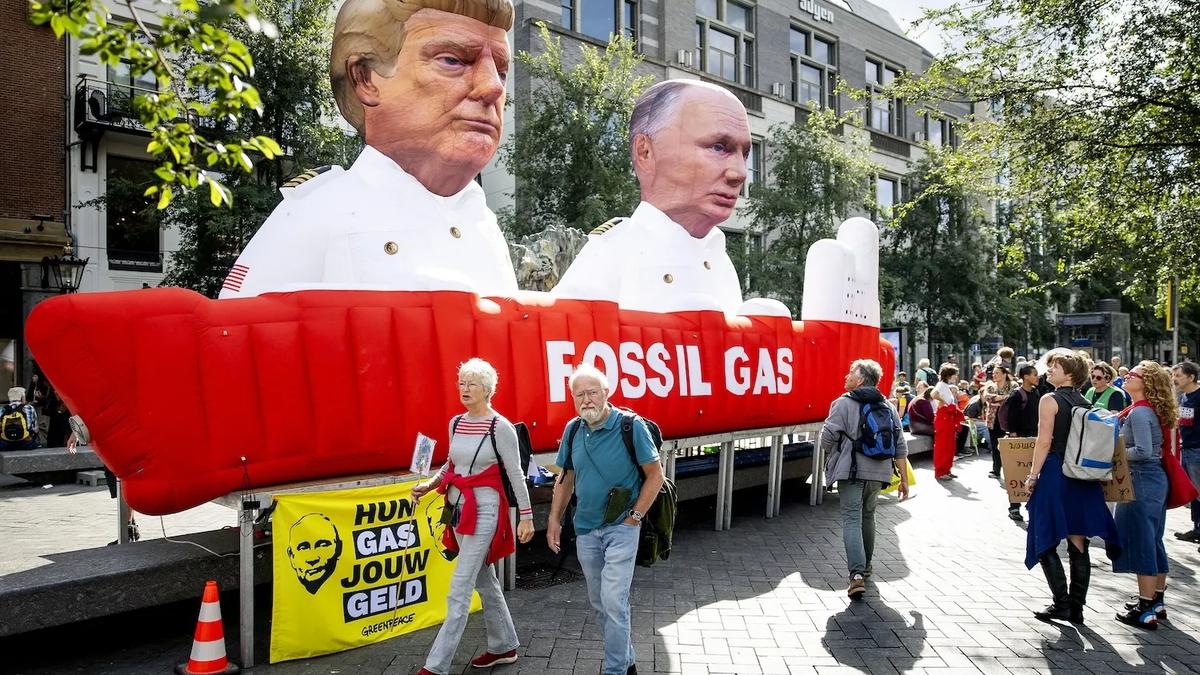
President Donald Trump announced a surprise suspension of U.S. sanctions that had barred the import of Russian diesel. The waiver allows up to a million metric tons of diesel to flow from Russia to global markets each month, starting with 300,000 tons in late October and scaling up through April. The decision came just weeks before the U.S. midterm elections and sparked immediate bipartisan criticism in Congress, which argues the move betrays Ukraine and rewards an aggressor. At the same time, the administration paired the waiver with a demand for an “energy cease‑fire” that would curb Ukrainian long‑range strikes on Russian refineries. While the policy was framed as a way to ease soaring diesel prices for American consumers, market data showed futures contracts rising and wholesale prices spiking after the announcement, suggesting the deal has little impact on the pump.
- Election calculus – With midterms looming, the administration seeks a quick narrative of consumer relief. By pointing to a foreign‑origin fuel source, officials can claim action without addressing domestic production bottlenecks.
- Sanctions as bargaining chips – The waiver functions less as an economic boon for Moscow than as leverage over Kyiv. By tying diesel imports to a pause in Ukrainian attacks, the White House attempts to shape battlefield dynamics without committing troops.
- Energy market realities – Global diesel demand hovers around 120 million tons per month. Even a full‑scale Russian export of one million tons represents less than 1 % of total supply, insufficient to move prices. Moreover, Russia’s refinery capacity is already at a two‑decade low after repeated Ukrainian drone strikes, limiting the volume it can realistically export.
- Domestic political survival – Lawmakers from both parties cite the 2022 anti‑Russian fossil‑fuel ban as a hard‑won victory. Reversing it threatens senior politicians’ credibility on national security and on supporting Ukraine’s defense.
- Geopolitical spillover – The move diverts attention from the escalating Iran‑U.S. confrontation in the Strait of Hormuz, where Iranian attacks on tankers are choking crude flows and tightening global diesel supplies.
Even with the waiver, U.S. diesel prices remain near record highs at about $6.30 per gallon. The modest increase in supply does not offset refinery outages, pipeline constraints, or the broader surge in crude prices driven by Middle‑East tensions. Working‑class commuters and trucking firms continue to shoulder higher operating costs, which ripple through food prices and delivery services.
Ukraine’s ability to strike Russian refineries has been a critical source of revenue denial for Moscow. The cease‑fire demand forces Kyiv to restrain long‑range attacks, reducing the flow of diesel revenue that could otherwise fund its defense. At the same time, Russian missile and drone attacks on Ukrainian cities, especially power infrastructure, have intensified, leaving civilians without electricity and exposing them to greater danger.
The dwindling output of Russian refineries has already led to layoffs and reduced wages in oil‑producing regions. While the diesel waiver may generate “tens of millions” of extra dollars for refiners, those gains are unlikely to trickle down to the workers who face reduced hours and uncertain job security.
Countries in India, Turkey, and Brazil that rely on Russian diesel imports see only marginal price changes. Their economies, already strained by high fuel costs, receive no meaningful relief, while the geopolitical maneuvering continues to play out far from their streets.
- Market myth‑making – Officials tout the waiver as a solution to high pump prices, yet futures markets reacted negatively, indicating traders doubt any substantive supply shock. The narrative masks the fact that the global diesel market is already tight due to disruptions in the Persian Gulf.
- Iranian war escalation – By focusing media attention on the diesel deal, the administration downplays the worsening conflict with Iran, whose recent surge in tanker attacks threatens to push global oil and refined‑product prices even higher. The real driver of the price crunch lies in the Middle East, not a modest Russian export.
- Kremlin’s limited gain – Russian officials have long shifted diesel sales to Asian markets. The waiver merely formalizes an existing flow, allowing refiners to price the product slightly higher but not delivering a windfall to the Kremlin’s war chest.
- Domestic political theater – The bipartisan backlash in Congress is as much about signaling to voters as it is about policy. Lawmakers use the diesel issue to demonstrate toughness on Russia, even as they vote on unrelated defense spending that will fund the war.
- Technology dependency – Ukraine’s recent loss of access to SpaceX’s military‑grade Starlink service, allegedly due to U.S. pressure, hampers its ability to coordinate long‑range strikes and defend against Russian drones. This subtle erosion of capability is rarely mentioned in official statements.
- Midterm election fallout – Expect the administration to double‑down on the diesel narrative if election polls show fuel costs as a top voter concern. Legislative attempts to reinstate the original sanctions may surface.
- Iran‑Houthi activity – Monitor shipping data in the Strait of Hormuz. A sustained decline in crude flows will tighten global diesel supplies further, potentially eclipsing any effect of the Russian waiver.
- Ukrainian strike policy – Watch for shifts in Kyiv’s targeting decisions. If Ukraine resumes intensive attacks on Russian refineries, Russian diesel exports could plunge, reigniting price pressures.
- Refinery repair cycles – Russian refineries are undergoing extensive repairs after Ukrainian strikes. The speed of those repairs will dictate how much diesel can actually be exported under the waiver.
- Energy market signals – Futures contracts for diesel and crude oil will reveal whether traders believe the waiver will materially affect supply. A persistent price rise would suggest the market attributes more weight to Middle‑East disruptions than to the Russian export ceiling.
The diesel deal, framed as a consumer win, ultimately serves as a diplomatic lever, a political talking point, and a distraction from deeper supply‑chain shocks. Ordinary citizens worldwide will continue to feel the pinch unless the underlying conflicts in Ukraine and the Middle East are addressed.
No. The volume of Russian diesel allowed under the waiver is too small to affect the global market, and prices have continued to rise after the announcement.
The waiver is tied to a demand for an energy cease‑fire, which pressures Kyiv to curb long‑range strikes on Russian refineries, reducing a key tool that limits Moscow’s war‑funding.
Editor's Note: Analysis based on publicly available market data and expert commentary up to October 2026.
Source referenced: FOREIGNPOLICY
This brief was synthesized by our Editorial Engine and reviewed by The Ground Narrative team.