TRENDING

Thursday, 15 October 2026
----------------------
4 Jumada Al-Awwal 1448 AH
A Court of Appeal ruling upheld a ban on Palestine Action, leaving the author’s UK publisher unable to pay royalties and prompting a sudden withdrawal of her books. The episode reveals how legal frameworks, market pressures, and political lobbying intersect to curb cultural expression.
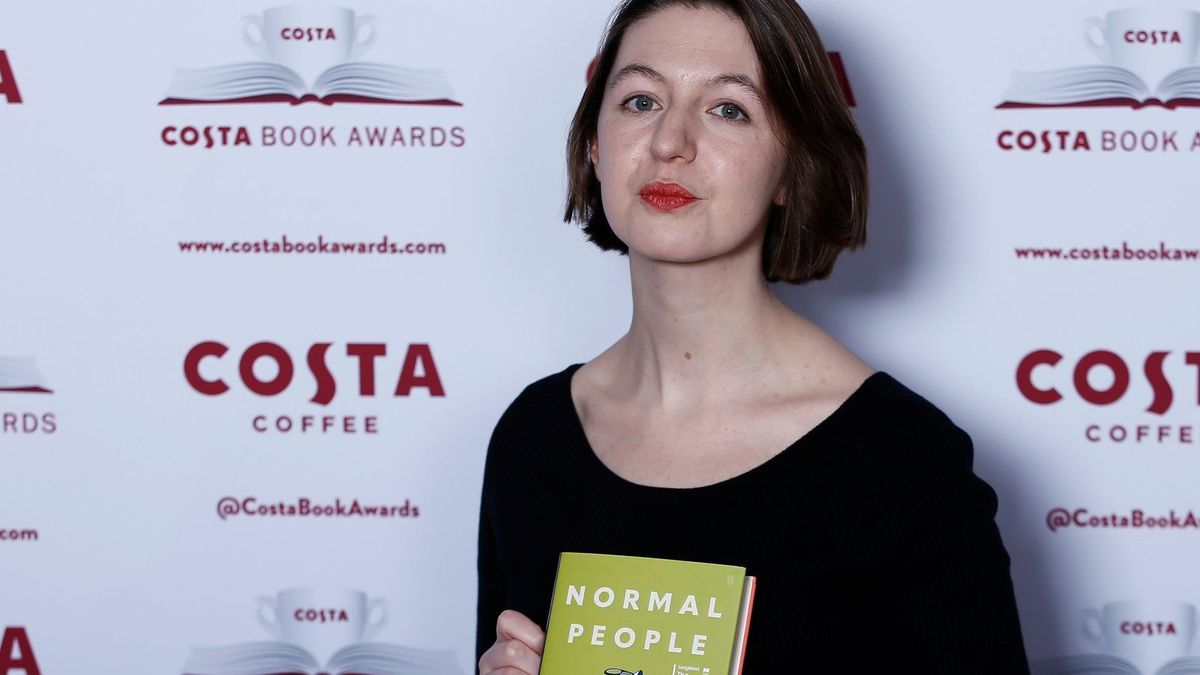
Award‑winning novelist Sally Rooney saw her entire back‑catalog pulled from UK shelves after she publicly supported the activist group Palestine Action. A Court of Appeal decision upheld a pre‑existing ban on the group, invoking the UK's anti‑terrorism legislation. Because the ban rendered any financial transaction with the organization illegal, Rooney's UK publisher claimed it could no longer remit her royalties, forcing a rapid withdrawal of her titles from bookstores and online platforms.
The episode sits at the crossroads of law, finance, and cultural capital. First, the UK's anti‑terrorism statutes grant the Home Office sweeping authority to designate groups as proscribed, effectively criminalising any support—financial or otherwise. The designation of Palestine Action, a group that organises non‑violent protests, was justified by officials citing alleged links to extremist rhetoric, despite limited evidence of violent activity. This legal tool is a lever for the state to shape public discourse without overt censorship.
Second, publishers operate under tight profit margins and are beholden to banks and insurers that screen for compliance risk. Once the ban was confirmed, the publisher’s banking partners flagged royalty payments as potential violations of sanctions, threatening to freeze accounts or impose hefty fines. The financial sector thus becomes an indirect enforcer of political decisions, nudging cultural firms toward self‑censorship.
Third, the political calculus involves domestic constituencies and foreign lobbying. Pro‑Israel pressure groups in the UK have long campaigned for stricter enforcement against organisations they deem hostile to Israel. Their influence is amplified through parliamentary advisory committees and media campaigns, creating a climate where politicians are eager to appear tough on terrorism, even when the target is a cultural figure.
Finally, the legal precedent set by the Court of Appeal signals to other artists and NGOs that any perceived alignment with contested causes could trigger similar financial blockades. The ruling reinforces a feedback loop: legal bans → banking compliance → publisher withdrawal → chilling effect on speech.
For Sally Rooney, the immediate loss is two‑fold: a sudden halt to royalty income that funds her writing and a tarnished reputation in a market that accounts for a significant share of global sales. The broader literary community watches anxiously, fearing that any political stance could jeopardise their livelihoods.
Bookstores, libraries, and schools across the UK lose access to a contemporary voice that resonates with younger readers. The cultural loss is intangible but measurable in reduced literary diversity and fewer opportunities for public debate about the Israeli‑Palestinian conflict.
The publisher’s staff face potential layoffs as sales projections collapse. Administrative teams tasked with royalty processing now must navigate a legal minefield, diverting resources from editorial work to compliance monitoring.
The withdrawal sends a stark message to Palestinian solidarity movements: support may be criminalised by proxy. Funding channels, even indirect ones like author royalties, become vulnerable, weakening the financial base of advocacy groups.
Official statements from the UK government framed the ban as a necessary security measure, emphasizing the protection of citizens from extremist financing. What receives less attention is the role of private financial institutions that, motivated by risk‑aversion, effectively enforce the ban by refusing to process royalty payments. Their compliance departments operate with minimal public oversight, turning banking policy into a de‑facto censorship tool.
Another hidden layer is the media narrative that portrays the publisher’s decision as a purely legal compliance issue. In reality, internal memos obtained by investigative journalists reveal that senior executives weighed the reputational fallout of appearing to support a proscribed group against the modest profit from a single author’s royalties. The calculus favoured a swift withdrawal to avoid potential regulatory scrutiny.
Finally, the broader geopolitical context—particularly the UK’s desire to maintain strong defence and trade ties with Israel and the United States—creates an environment where dissenting voices on the Palestine issue are more readily suppressed. Diplomatic considerations rarely surface in public discourse, yet they shape the legal and economic levers deployed against cultural actors.
- Legal Challenges: Expect civil liberties groups to file appeals against the ban, arguing that the designation of Palestine Action oversteps statutory limits and infringes on free expression.
- Banking Policy Shifts: Watch for statements from major UK banks about their compliance frameworks. Any softening could signal a reduction in the chilling effect on publishers.
- Publisher Responses: Other UK houses may issue guidelines for authors on political engagement, potentially codifying self‑censorship practices.
- International Reactions: The EU and US may comment on the case, especially if it is framed as a test of the UK's post‑Brexit commitment to free speech.
- Grassroots Mobilisation: Literary festivals, authors’ unions, and readers’ groups are likely to organise protests or campaigns demanding the reinstatement of Rooney’s books, turning the cultural dispute into a broader public debate.
The convergence of anti‑terror law, financial compliance, and political lobbying has turned a celebrated novelist into a casualty of state power. Monitoring the next legal moves, banking policies, and activist responses will reveal whether this episode remains an isolated incident or marks the start of a wider curtailment of cultural dissent in the UK.
A UK Court of Appeal upheld a ban on the activist group Palestine Action, invoking anti‑terror legislation that prevented the publisher from paying royalties linked to the group, leading to a withdrawal.
The case sets a precedent that political activism can trigger financial blockades, prompting publishers to self‑censor to avoid legal and banking risks, potentially limiting free expression across the industry.
Source referenced: ALJAZEERA
This brief was synthesized by our Editorial Engine and reviewed by The Ground Narrative team.