TRENDING

Monday, 5 October 2026
----------------------
24 Rabi' Al-Thani 1448 AH
President Donald Trump has announced an unprecedented Republican midterm convention in Dallas, Texas, a strategic move aimed at nationalizing the 2026 elections and safeguarding his second-term agenda against potential congressional opposition and impeachment threats.
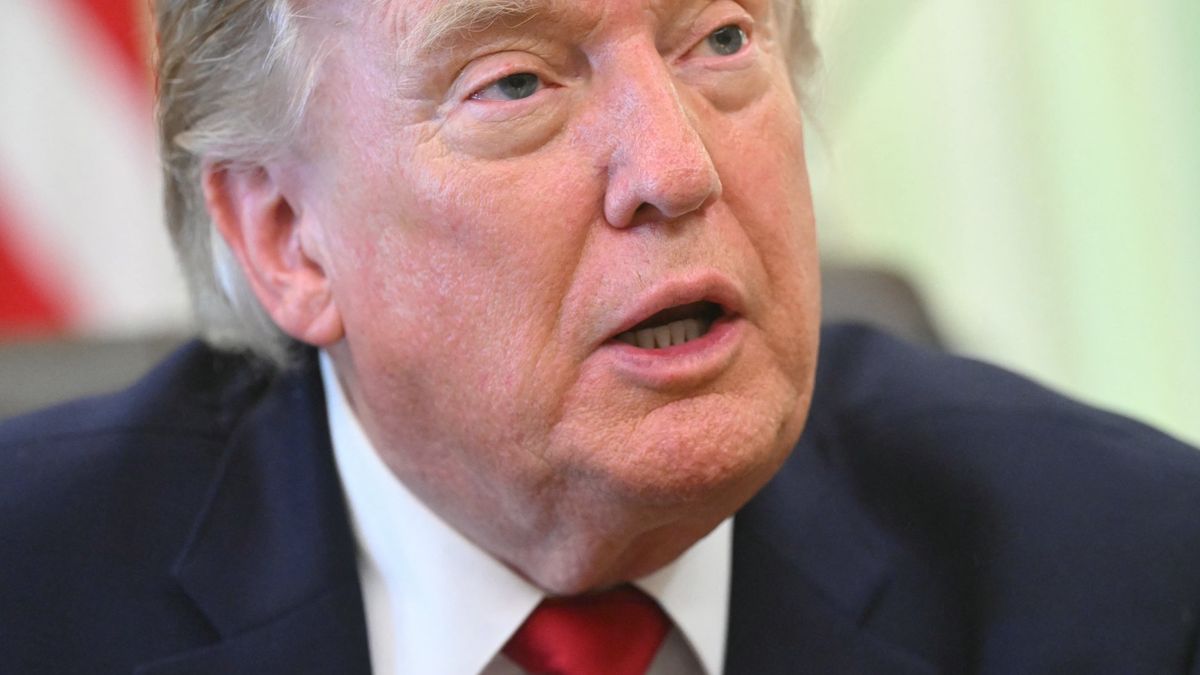
United States President Donald Trump has announced an unprecedented Republican Party midterm convention, scheduled for September 9-10, 2026, in Dallas, Texas. This move, occurring less than two months before the crucial November 3 midterm elections, marks a significant departure from traditional American political strategy and underscores the high stakes for the remainder of Trump's second term. The convention is framed by the President as a historic event designed to showcase Republican achievements and rally the party base, but it also reveals deeper strategic motivations tied to his political future and the balance of power in Washington.
The decision to hold a midterm convention is highly unusual. Historically, major party conventions are reserved for presidential election years to formally nominate a candidate and unify the party. The Democratic Party ceased holding midterm gatherings after 1982, citing concerns over resource allocation. By reviving and nationalizing this concept, President Trump is attempting to place himself squarely at the center of the 2026 midterm narrative, despite not being on the ballot. This strategy aims to transform the midterms into a direct referendum on his administration's performance and policies, rather than a collection of localized races.
A primary driver behind this unconventional approach appears to be President Trump's expressed concern over a potential Democratic takeover of Congress. With Republicans currently holding narrow majorities in both chambers, a shift in power could severely impede his legislative agenda for the final two years of his term. More critically, President Trump has openly voiced fears of a third impeachment attempt should Democrats gain control, having already faced impeachment twice during his first term. This personal stake adds an urgent dimension to his efforts to mobilize Republican voters and consolidate party support.
The convention is intended to serve as a platform for President Trump to trumpet the successes of his second term. He has highlighted policies such as the "no tax on tips" initiative, offering a tax deduction for service industry workers, and his administration's deregulation of fossil fuels, which he claims has led to "energy dominance" and sharply dropping oil prices. Furthermore, he has linked these domestic achievements to foreign policy claims, specifically mentioning "Denuclearize Iran" as a success. These talking points are designed to energize his base and present a compelling narrative of effective governance, counteracting recent polling data that indicates a significant disapproval rating for his job performance. A poll from The Economist and YouGov, published concurrently with the convention announcement, showed 58 percent of respondents disapproving of his performance, suggesting a need for a strong counter-narrative.
However, the convention is not without its detractors, even within Republican ranks. Some party officials fear that such a large-scale event could divert critical resources—financial and organizational—away from competitive battleground races in the final stretch before the elections. There are also concerns that the convention, by focusing heavily on President Trump, could inadvertently highlight his declining poll numbers rather than bolstering the party's broader appeal. The Democratic National Committee had explored a similar idea but ultimately abandoned it, citing resource concerns, which underscores the strategic gamble the Republican Party is now undertaking.
The choice of Dallas, Texas, as the convention venue also carries strategic significance. While Texas is a traditional Republican stronghold, the state is witnessing an unusually competitive Senate race in 2026. The convention's presence could be an attempt to galvanize Republican voters and shore up support in a state that Democrats are increasingly viewing as a potential battleground. Local Democratic figures have interpreted the convention's location as a sign of Republican anxiety regarding the state's electoral landscape.
The outcome of the 2026 midterm elections will have profound implications for both domestic governance and the United States' standing on the global stage. A Republican loss of congressional control would likely usher in a period of legislative gridlock, making it challenging for the Trump administration to advance its policy priorities, whether on economic issues, energy policy, or foreign affairs. A president facing a hostile Congress and the specter of impeachment could see their international leverage diminished, potentially affecting the execution of foreign policy initiatives and the perception of U.S. stability. Conversely, a successful convention that helps Republicans retain or expand their majorities would empower President Trump, allowing him to pursue his agenda with greater political capital.
In essence, President Trump's announcement of a midterm convention represents a high-stakes political maneuver. It is an attempt to defy historical precedent, nationalize the midterm elections around his persona, and directly address the challenges posed by his approval ratings and the threat of congressional opposition. The success or failure of this strategy will not only shape the remainder of his presidency but could also redefine how future administrations approach the critical juncture of midterm elections.
Source referenced: ALJAZEERA
This brief was synthesized by our Editorial Engine and reviewed by The Ground Narrative team.


