TRENDING

Monday, 5 October 2026
----------------------
24 Rabi' Al-Thani 1448 AH
Saudi Arabia, Turkey, and Pakistan have signed a mutual defense pact, treating any attack on one nation as an attack on all, amidst rising tensions with Iran. This move signals a significant shift in regional alliances and power dynamics. As the US-Iran conflict continues to simmer, the human cost of war looms large for civilians in the Middle East.
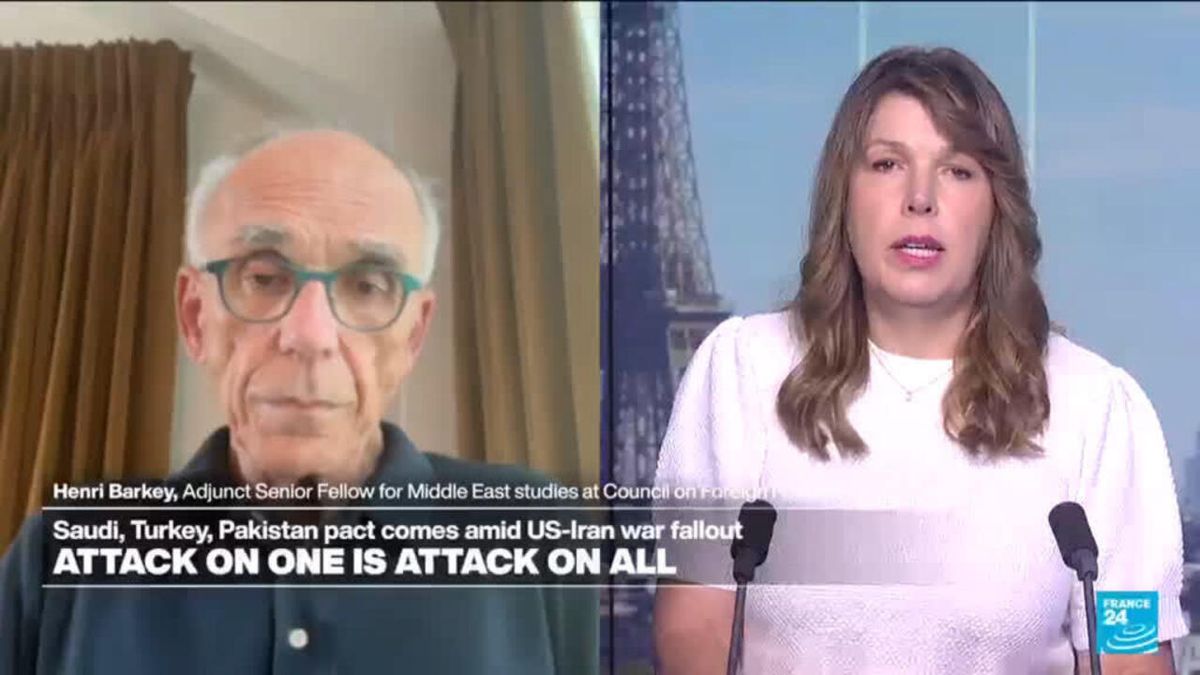
Saudi Arabia, Turkey, and Pakistan have signed a mutual defense pact, aiming to strengthen their collective security against potential threats from Iran. The agreement treats any act of aggression on one of the three nations as an attack on all, although it does not specify the extent of military commitment.
This pact is a strategic response to the escalating tensions between the US and Iran, which have been simmering since the US withdrawal from the Joint Comprehensive Plan of Action (JCPOA) in 2018. The agreement signals a significant shift in regional alliances, with Saudi Arabia, Turkey, and Pakistan seeking to bolster their defenses against potential Iranian aggression. The US, although not a direct signatory, stands to benefit from this pact as it strengthens the position of its allies in the region.
The people of the Middle East, particularly those in Iran, Saudi Arabia, and Yemen, bear the brunt of this escalating conflict. The ongoing war in Yemen, fueled by the Saudi-Iran proxy conflict, has resulted in thousands of civilian casualties and a devastating humanitarian crisis. The mutual defense pact may further entrench the conflict, putting more lives at risk.
What is being downplayed in this narrative is the role of the US in fueling the regional tensions. The US withdrawal from the JCPOA and its subsequent imposition of sanctions on Iran have contributed significantly to the escalation of the conflict. Furthermore, the US has been quietly supporting the Saudi-led coalition in Yemen, despite widespread criticism of the coalition's human rights record. The pact between Saudi Arabia, Turkey, and Pakistan may be seen as a means to counterbalance Iranian influence, but it also serves to further entrench the US's strategic interests in the region.
As the situation continues to unfold, readers should watch for signs of increased military buildup in the region, particularly in the Gulf. The US may seek to capitalize on this pact to further its own strategic interests, potentially leading to a more pronounced military presence in the region. Meanwhile, the human cost of the conflict will continue to rise, with civilians in the Middle East paying the price for the power struggles between regional and global actors.
Editor's Note: The analysis is based on publicly available information and may not reflect the full complexity of the situation on the ground.
Source referenced: FRANCE24
This brief was synthesized by our Editorial Engine and reviewed by The Ground Narrative team.


