TRENDING

Monday, 5 October 2026
----------------------
24 Rabi' Al-Thani 1448 AH
US Representative Alexandria Ocasio-Cortez's decision to freeze her eggs highlights the complex choices women face in balancing career and family, amidst ongoing debates over reproductive rights in the US. This move also underscores the political risks and privileges associated with such personal decisions.
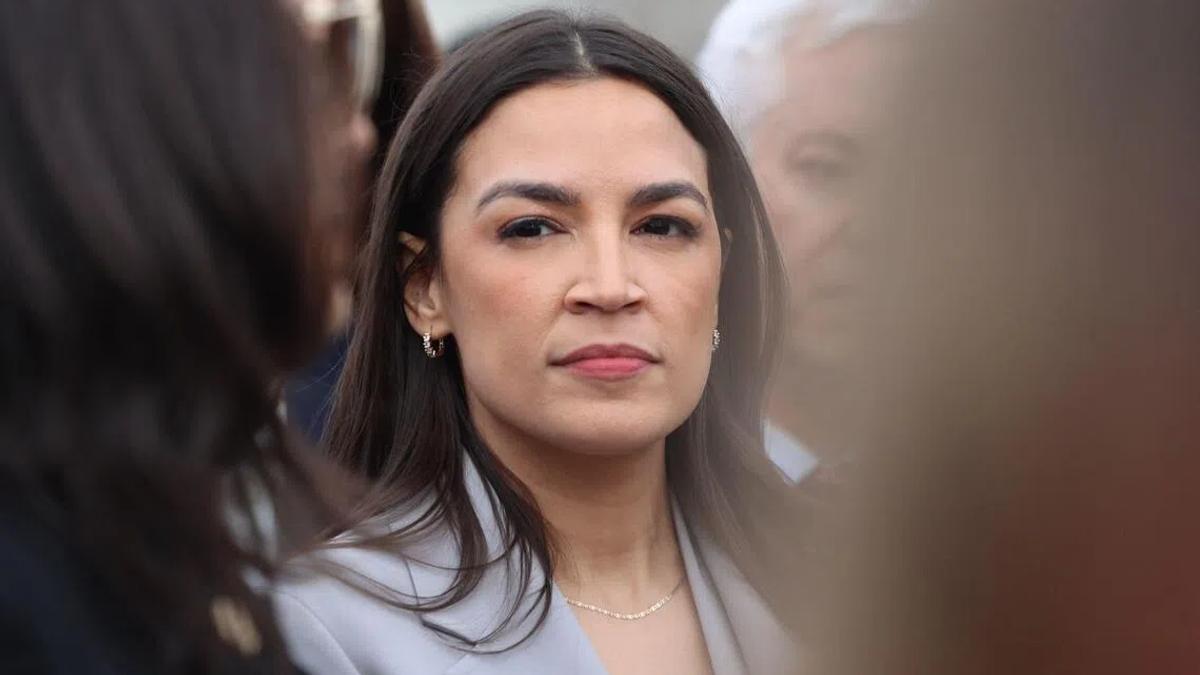
US Representative Alexandria Ocasio-Cortez has publicly announced her decision to freeze her eggs, citing the need to feel more in control of her life and to highlight the challenges women face in balancing career and family. This announcement comes as Ocasio-Cortez is considered a potential presidential contender and has been open about her support for reproductive rights.
The decision to freeze her eggs is not just a personal choice but also a political statement. Ocasio-Cortez is leveraging her platform to normalize conversations about women's health and reproductive rights, which are highly contested in the US. By sharing her experience, she aims to shift the narrative and challenge the double standards that women in politics often face regarding their personal lives and family plans. This move also reflects the broader struggle for gender equality and the need for policies that support women's autonomy over their bodies and careers.
Women, particularly those in public life, bear the brunt of societal expectations and scrutiny over their reproductive choices. The process of egg freezing, while a privilege for those who can afford it, is a complex and costly procedure that not all women have access to. Ocasio-Cortez's decision highlights the human cost of the lack of comprehensive reproductive healthcare and the economic barriers that prevent many women from making similar choices. It also underscores the personal and professional risks that women take when they decide to speak out about their reproductive health and ambitions.
What is often downplayed in discussions about reproductive rights and women's empowerment is the significant role that economic inequality and lack of access to healthcare play. The ability to freeze eggs or access other reproductive technologies is a luxury that many cannot afford, leaving marginalized communities further behind. Powerful actors often omit the fact that the fight for reproductive rights is deeply intertwined with the fight for economic justice and access to quality healthcare. By framing the conversation around personal choice and ambition, the systemic barriers that prevent many women from making similar decisions are overlooked.
As the debate over reproductive rights continues in the US, readers should watch for how political leaders respond to Ocasio-Cortez's move and whether it sparks a broader conversation about the need for comprehensive reproductive healthcare. The upcoming midterm elections and the potential presidential run of Ocasio-Cortez will also be critical in shaping the future of reproductive rights in the US. Furthermore, the reaction of the public and the media to her decision will reveal how societal attitudes towards women's autonomy and reproductive health are evolving.
Editor's Note: The analysis is based on publicly available information and may not reflect the full complexity of the issue or the personal motivations behind Ocasio-Cortez's decision.
Source referenced: STRAITSTIMES
This brief was synthesized by our Editorial Engine and reviewed by The Ground Narrative team.


