TRENDING

Sunday, 15 November 2026
----------------------
5 Jumada Al-Thani 1448 AH
An Australian iron ore giant is embracing Chinese green technology, a move lauded by APEC as a step towards sustainable supply chains. This collaboration, however, reveals more than just environmental progress; it spotlights the intricate web of economic necessity, geopolitical competition, and the often-overlooked human costs of the global green transition.
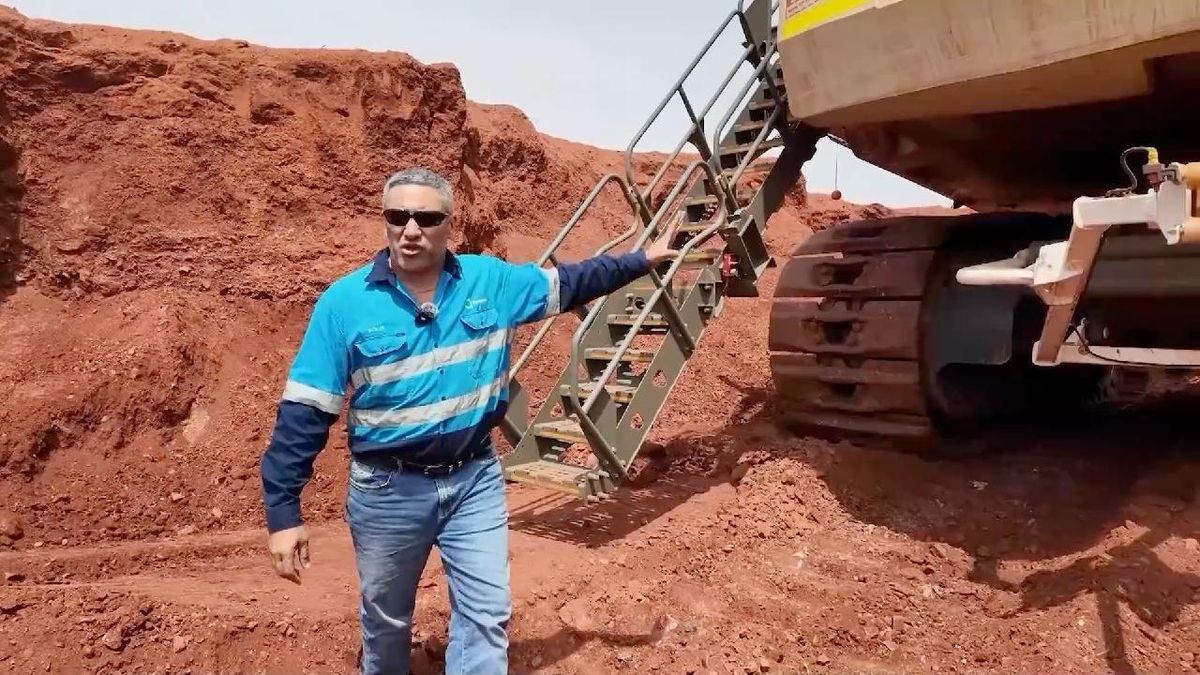
An Australian iron ore giant operating in Western Australia has announced its adoption of Chinese technology to significantly reduce emissions and transition its operations towards renewable power. This initiative is presented within the broader framework of APEC economies advancing green transitions and seeking to establish more sustainable supply chains for critical minerals. The development, reported by CGTN, underscores a practical economic partnership unfolding amidst complex geopolitical currents.
This seemingly straightforward environmental collaboration is, in fact, a masterclass in the mechanics of global power, driven by intertwined economic imperatives and strategic positioning.
Australia stands as a global titan in the extraction and export of iron ore and other critical minerals essential for the modern industrial economy. Its vast mineral wealth grants it significant leverage in global supply chains, yet its economy remains profoundly reliant on these exports, with China being its largest customer. This creates a delicate balance: Australia holds the keys to vital resources, but its prosperity is deeply tied to the demand from a single, dominant buyer. The decision by an Australian mining giant to integrate Chinese technology reflects an acknowledgment of the global shift towards decarbonization, but also a pragmatic acceptance of the most viable, often cost-effective, solutions available, irrespective of their origin.
China is not only the world's largest consumer of raw materials like iron ore but has also emerged as a formidable leader in renewable energy technology. From solar panels and wind turbines to advanced battery storage systems, Chinese firms dominate global manufacturing and innovation in the green tech sector. By offering these solutions to a major resource supplier like Australia, Beijing achieves multiple objectives: it secures continued access to essential raw materials, expands its technological footprint in critical global industries, and burnishes its image as a contributor to global climate action. This technological export is a potent form of soft power, embedding Chinese standards and systems into the infrastructure of key trading partners.
Despite persistent geopolitical tensions—ranging from trade disputes and diplomatic spats to security concerns in the Indo-Pacific—the fundamental economic logic for both Australia and China remains compelling. Australia needs robust markets for its minerals and practical pathways to decarbonize its heavy industries to meet global climate targets and investor expectations. China needs a steady supply of raw materials to fuel its manufacturing base and a global market for its burgeoning green technologies. This dynamic creates a transactional space where economic self-interest often overrides political rhetoric, fostering collaborations that might otherwise seem incongruous given the broader strategic competition.
Source referenced: CGTN
This brief was synthesized by our Editorial Engine and reviewed by The Ground Narrative team.


