TRENDING

Sunday, 15 November 2026
----------------------
5 Jumada Al-Thani 1448 AH
A Chinese state media series highlights the integration of Chinese technology into Pakistan's textile industry, framing it as a story of shared progress. Yet, beneath the surface, the ambitious China-Pakistan Economic Corridor raises critical questions about debt, sovereignty, and who truly benefits from this grand vision.
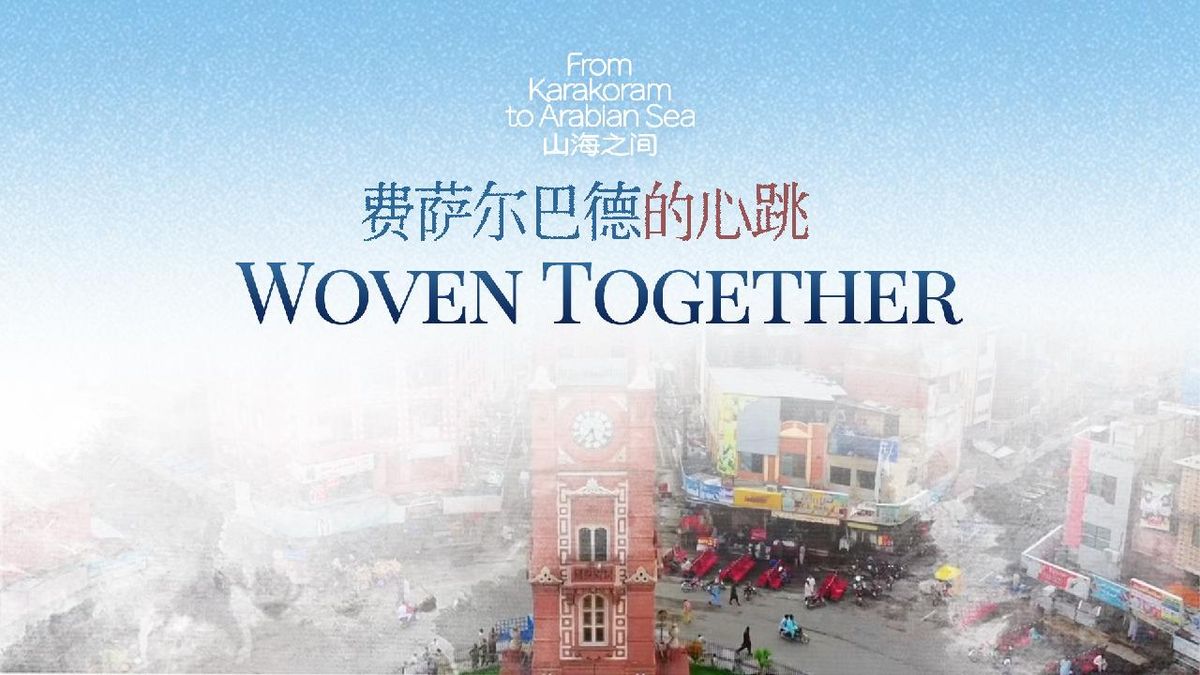
A recent episode from Chinese state media outlet CGTN's series, "From Karakoram to Arabian Sea," showcased the ongoing development of the China-Pakistan Economic Corridor (CPEC), with a specific focus on Faisalabad, Pakistan's vibrant textile hub. The report highlighted the integration of Chinese technology—from advanced weaving machinery to digital printing and garment production lines—into local factories. Framed as a narrative of shared expertise, new skills, and cooperation, the segment emphasized how this partnership is bringing fresh opportunities to Pakistani communities and propelling the nation's textile industry forward.
The China-Pakistan Economic Corridor is more than just a collection of infrastructure projects; it is a grand strategic play, a flagship component of China's Belt and Road Initiative (BRI). For Beijing, CPEC serves multiple critical objectives. Economically, it provides an outlet for China's vast industrial overcapacity, creating new markets for Chinese-made machinery, construction services, and expertise. Strategically, the corridor offers China a vital land route to the Arabian Sea via Gwadar Port, significantly reducing reliance on the vulnerable Malacca Strait for energy imports from the Middle East. This direct access enhances China's energy security and projects its naval power into the Indian Ocean. Geopolitically, it solidifies Pakistan's position as a crucial ally, creating a counterweight to India in South Asia and expanding Chinese influence in a region historically dominated by Western powers.
For Pakistan, the incentives are equally compelling, albeit from a position of lesser power. Facing chronic energy shortages, infrastructure deficits, and a persistent need for foreign investment, CPEC offers a lifeline. The promise of modern infrastructure—roads, railways, power plants, and industrial zones—is seen as a catalyst for economic growth, job creation, and industrial modernization. The influx of Chinese capital and technology is viewed as essential for transforming Pakistan's struggling economy. Furthermore, deepening ties with China provides Islamabad with a powerful diplomatic and military patron, crucial for balancing its long-standing rivalry with India and navigating complex regional dynamics. The textile sector, a cornerstone of Pakistan's economy, is a prime example of this dynamic, where Chinese investment is pitched as the key to unlocking global competitiveness.
The fundamental power mechanic at play is the exchange of Chinese capital and expertise for Pakistan's strategic location and economic dependence. Most CPEC projects are financed through Chinese state-backed loans, often with opaque terms. While these loans provide immediate relief and enable large-scale development that Pakistan could not otherwise afford, they also create a significant debt burden. This financial leverage grants China considerable influence over Pakistan's economic and, by extension, political decisions. The narrative of
CPEC is a collection of infrastructure projects under China's Belt and Road Initiative, aiming to connect China's Xinjiang province to Pakistan's Gwadar Port on the Arabian Sea. It includes roads, railways, power plants, and industrial zones, facilitating trade and energy transit.
CPEC introduces Chinese technology and machinery into Pakistan's textile sector, particularly in Faisalabad, aiming to modernize production and boost exports. While it offers new jobs and skills, it also raises concerns about competition for local businesses and potential displacement of traditional labor.
Key concerns include Pakistan's growing debt burden from Chinese loans, the geopolitical tensions arising from CPEC's route through disputed territories, potential environmental degradation, and questions about the equitable distribution of economic benefits between China and Pakistan.
Source referenced: CGTN
This brief was synthesized by our Editorial Engine and reviewed by The Ground Narrative team.