TRENDING

Sunday, 15 November 2026
----------------------
5 Jumada Al-Thani 1448 AH
A significant vote by the New York City Democratic Socialists of America chapter is pushing Congresswoman Alexandria Ocasio-Cortez towards a 2028 presidential bid, reflecting a growing grassroots movement within the Democratic Party. This move highlights a deepening ideological divide and a focus on issues like housing, healthcare, and labor protections.
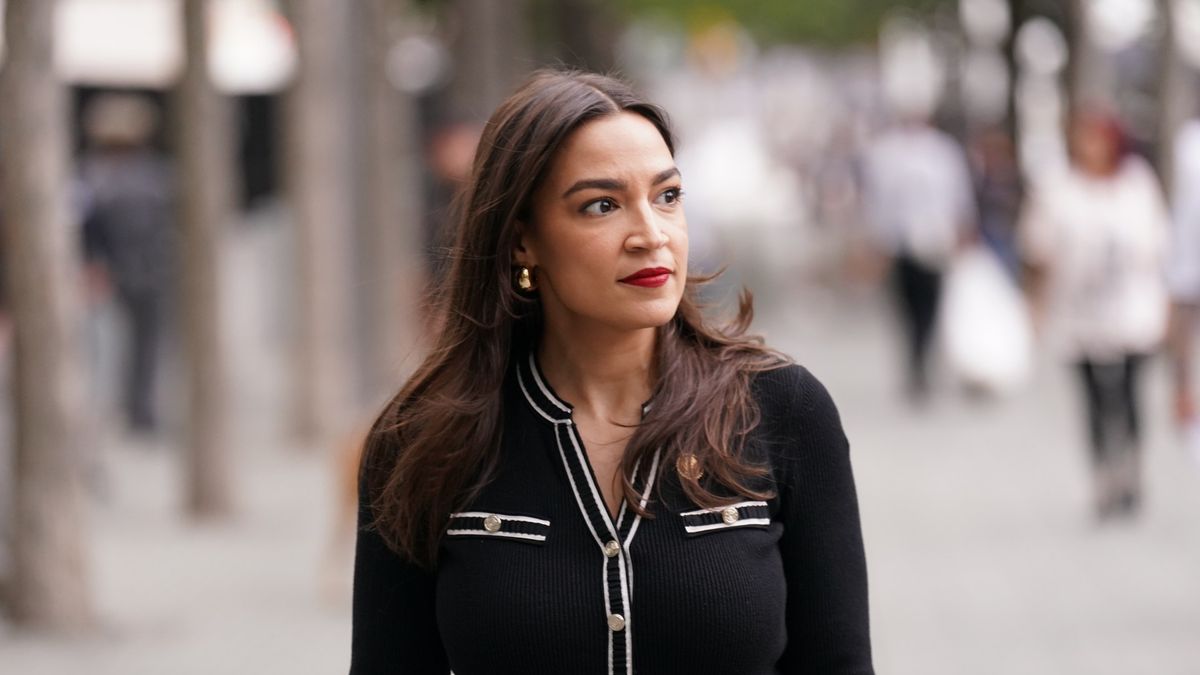
The New York City chapter of the Democratic Socialists of America (NYC-DSA) recently voted to formally encourage Congresswoman Alexandria Ocasio-Cortez to launch a presidential campaign in 2028. This resolution, passed with a significant majority, is not a national endorsement but commits the influential local chapter to building the groundwork for a potential bid. The decision follows a strong showing by DSA-endorsed candidates in recent midterm elections, with a record eight members elected to federal office, amplifying the progressive movement's voice within the United States Congress.
The NYC-DSA's move is less about a single individual and more about a strategic assertion of power by a burgeoning grassroots movement within the Democratic Party. For years, the Democratic Socialists of America has been steadily building local and state-level influence, often by focusing on hyper-local issues and direct community organizing. Their success in electing a mayor in New York City and multiple congressional representatives has given them a tangible platform and a credible threat to the established party structure.
This push for Ocasio-Cortez represents a calculated attempt to shift the entire party's center of gravity. The argument, articulated by NYC-DSA co-chair Gustavo Gordillo, that "If the US can elect Trump, I think we can elect Democratic Socialists," reveals a core belief: that the electorate is hungry for radical change, not just incremental adjustments. This perspective challenges the traditional Democratic Party's reliance on centrist appeals and corporate funding, suggesting that a bold, ideologically distinct platform could mobilize a disillusioned base.
Ocasio-Cortez herself is a powerful symbol of this shift. Her rise from a working-class background to national prominence, unseating a long-term incumbent, demonstrated the potential for insurgent campaigns. Her platform, centered on universal healthcare, tuition-free public college, robust labor protections, and a strong stance on issues like public housing and immigration reform, directly addresses the economic anxieties of a significant portion of the population. By urging her to run, the NYC-DSA aims to force these issues to the forefront of national debate, regardless of the ultimate outcome of a presidential primary.
The power dynamic here is a classic struggle between an entrenched political establishment and a challenger from its ideological flank. The Democratic Party leadership, accustomed to controlling nominations through fundraising networks and party machinery, now faces a well-organized, ideologically coherent force that can leverage social media, direct action, and a dedicated volunteer base. The question is whether this grassroots power can translate into the national electoral success required to overcome the vast financial and media resources of the mainstream political apparatus. The DSA's strategy is to make itself indispensable, to demonstrate that its endorsements and organizational muscle are critical for any Democrat seeking to win, thereby forcing the party to adopt more of its agenda.
The underlying impetus for the DSA's growing influence and its call for a Democratic Socialist presidential candidate stems directly from the human costs of current economic and social policies. The issues highlighted by NYC-DSA members – housing, healthcare, childcare, and wages – are not abstract political talking points; they represent daily struggles for millions of ordinary Americans.
For many families, the cost of living has become unsustainable. Soaring rents and housing prices mean that a significant portion of income is consumed by shelter, leaving little for other necessities. The lack of universal healthcare means that illness can lead to bankruptcy, while inadequate childcare options force parents, particularly women, out of the workforce or into precarious financial situations. Stagnant wages, despite increased productivity, have eroded the purchasing power of the working class, leading to a pervasive sense of economic insecurity. These are the direct consequences of a system where market forces are often prioritized over social welfare, and they fuel the demand for more radical solutions.
The DSA's platform also explicitly addresses the human cost borne by marginalized communities. Their call to stop the Immigration and Customs Enforcement (ICE) agency speaks to the trauma and disruption experienced by immigrant families facing deportation and separation. Their support for labor organizing aims to empower workers who have seen their collective bargaining power diminish, leading to exploitative conditions and stagnant pay. Furthermore, the emphasis on the "anti-war and pro-Palestine movements" highlights a concern for human rights and the devastating impact of conflict on civilian populations abroad, often funded by US taxpayers. These stances reflect a commitment to those who are often overlooked or actively harmed by existing power structures, making their struggle visible and central to the political discourse.
While the DSA's rise aims to address these costs, it also contributes to a deepening political polarization. The stark ideological differences between the progressive left and more moderate factions within the Democratic Party, let alone the broader political spectrum, can lead to legislative gridlock and a sense of perpetual conflict. For ordinary citizens, this can mean a lack of decisive action on pressing issues, as political energy is consumed by internal party battles and broader culture wars. The human cost here is the erosion of trust in institutions and the potential for societal fracturing, making it harder to find common ground on critical challenges.
What is often downplayed or omitted in the mainstream narrative surrounding the DSA's influence and a potential AOC presidential bid are the deep anxieties within the Democratic Party establishment and the strategic calculation behind the movement's "socialist" label.
The Democratic Party leadership, while publicly acknowledging the need to engage with its progressive wing, privately harbors significant concerns. A strong Democratic Socialist presidential candidate, particularly one as charismatic as Ocasio-Cortez, could force the party into an uncomfortable primary battle, potentially alienating moderate voters or consuming valuable resources needed for the general election. The fear is a repeat of past internal struggles that have either weakened the eventual nominee or exposed deep ideological fissures that prove difficult to heal. The party's traditional donors, often corporate interests, are also likely to be wary of a candidate advocating for policies that could impact their bottom line, creating a financial tension that is rarely discussed openly. The establishment's narrative often frames progressive challenges as either idealistic but impractical, or as a threat to party unity, rather than acknowledging the genuine policy grievances that fuel these movements.
The term "Democratic Socialist" itself carries significant historical baggage in the United States, often conflated with authoritarian communism by conservative media and even some moderate Democrats. What is often downplayed is the specific, often European-inspired, interpretation of "democratic socialism" advocated by the DSA: a commitment to democratic processes combined with a robust social safety net, public services, and worker protections, often within a capitalist framework. This is distinct from state-controlled economies. The DSA's platform, focusing on public housing, universal healthcare, and free college, aligns more with the social democracies of Scandinavia or Western Europe than with historical communist regimes. However, the powerful actors who benefit from the current system find it advantageous to simplify and demonize the label, obscuring the actual policy proposals and their potential benefits for the working class.
While the DSA prides itself on grassroots funding and volunteer power, the sheer scale of a national presidential campaign in the United States requires astronomical sums of money. The untold story is the immense challenge any insurgent campaign faces in competing with candidates who can tap into vast networks of wealthy donors, super PACs, and corporate sponsorships. Even with a dedicated volunteer base, media buys, travel, and campaign infrastructure for a national race demand resources that are difficult to amass purely through small-dollar donations. The powerful actors who control these financial levers are often silent, but their influence shapes the viability of campaigns long before a single vote is cast, effectively setting the boundaries of what is considered politically possible.
The coming months will be critical in determining the trajectory of this grassroots surge and its impact on American politics.
First, watch for Alexandria Ocasio-Cortez's own decision regarding her political future. While the NYC-DSA has made its intentions clear, AOC has previously indicated she would decide after the midterm elections, leaving open the possibility of a US Senate bid instead of a presidential run. Her choice will signal the immediate strength and direction of this progressive challenge.
Second, observe the national Democratic Socialists of America's response. While the NYC-DSA is influential, a national endorsement or a coordinated strategy from the broader DSA movement would significantly amplify the pressure on Ocasio-Cortez and the Democratic Party. Look for signs of national organizing efforts or a unified platform emerging from various DSA chapters.
Third, pay close attention to the reactions of the Democratic Party establishment. Will they attempt to co-opt some of the DSA's popular policy positions to blunt a potential primary challenge? Or will they actively work to marginalize such a bid, perhaps by rallying around a more moderate alternative early on? The internal maneuvering within the party will reveal how seriously they perceive this grassroots threat.
Finally, monitor the public discourse around the core issues championed by the DSA: housing, healthcare, childcare, and labor rights. If these issues gain more traction in mainstream political debates, it will indicate that the DSA's strategy of focusing on the human cost of current policies is resonating beyond its immediate base, potentially reshaping the national agenda for years to come.
The NYC-DSA believes that a **Democratic Socialist** candidate like **Alexandria Ocasio-Cortez** can mobilize voters hungry for radical change, especially after recent successes in local elections. They aim to push core issues like housing, healthcare, and labor protections to the forefront of national debate.
The **DSA's** platform focuses on universal healthcare, tuition-free public college, robust labor protections, public housing, stopping **ICE**, and supporting anti-war and pro-Palestine movements. These priorities aim to address the economic anxieties and social injustices faced by many **Americans**.
A potential **AOC** presidential bid could trigger a significant internal struggle within the **Democratic Party**, forcing the establishment to confront its progressive wing. It may lead to a more ideologically charged primary and could reshape the party's platform and priorities in the lead-up to the 2028 election.
Editor's Note: The analysis is based on the provided intelligence and applies TGN's editorial doctrine to explain power dynamics and human costs. The speculative nature of a future presidential bid is handled by focusing on the current power mechanics and what to watch.
Source referenced: ALJAZEERA
This brief was synthesized by our Editorial Engine and reviewed by The Ground Narrative team.


