TRENDING

Sunday, 15 November 2026
----------------------
5 Jumada Al-Thani 1448 AH
Devastating floods in Gaza, exacerbated by damaged infrastructure, have prompted the European Union to demand immediate, unimpeded humanitarian access to the besieged territory. The crisis unfolds amidst ongoing Israeli military actions and severe restrictions on aid.
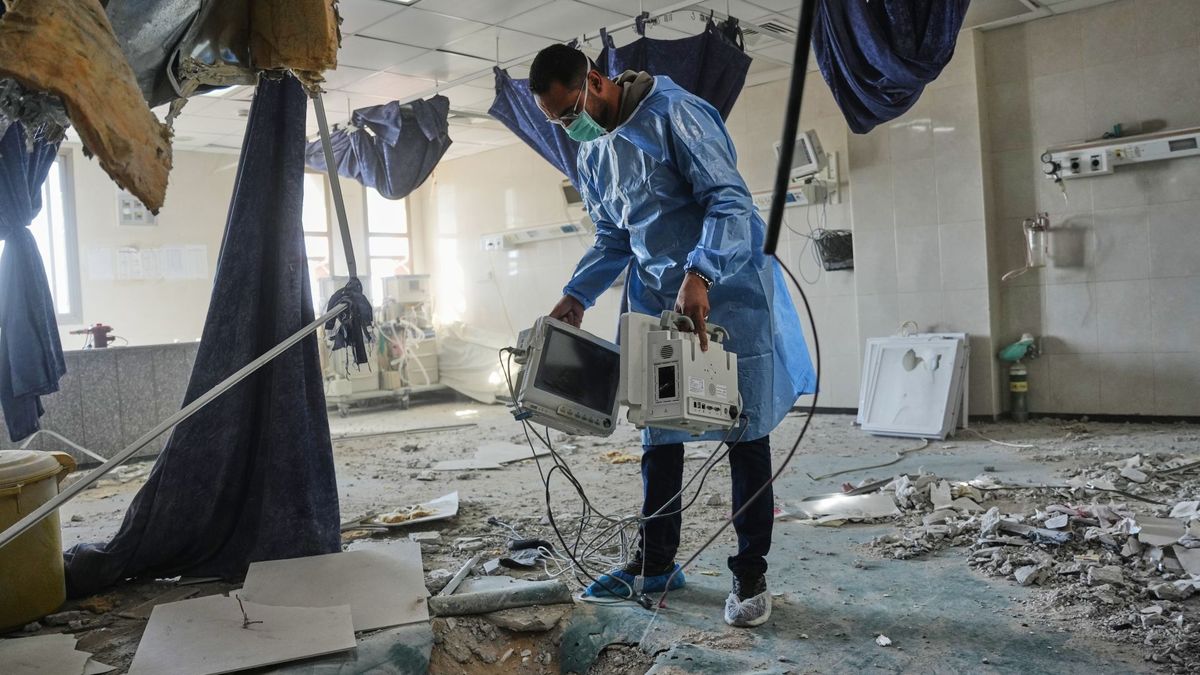
Gaza is grappling with a severe humanitarian crisis following heavy rains that have caused widespread flooding, submerging vast areas and displacing thousands. This natural disaster has been significantly worsened by extensive damage to civilian infrastructure, including over 700km of sewage networks, attributed to ongoing Israeli military operations. In response, the European Union has issued an urgent call for Israel to reopen all border crossings and grant immediate, unimpeded access for humanitarian aid, emphasizing the critical need to protect civilians, medical facilities, and adhere to international law. The EU's statement came as Israeli drone strikes and air attacks continued, including a recent strike on the Nasser Medical Complex that killed a surgeon and five others, further compounding the dire situation.
The unfolding crisis in Gaza is a stark illustration of how structural power dynamics intersect with environmental vulnerability. Israel maintains comprehensive control over Gaza's borders, airspace, and sea access, a blockade that has been in place for years. This control grants Israel immense power over the flow of goods, people, and essential supplies, including materials necessary for infrastructure maintenance and repair. The current situation, where infrastructure damage from military actions amplifies the impact of natural events like heavy rainfall, highlights how this control directly influences the human security of Gaza's population.
Israel's stated security objectives often frame its military actions and border policies. The targeting of what it identifies as Hamas
Source referenced: ALJAZEERA
This brief was synthesized by our Editorial Engine and reviewed by The Ground Narrative team.


