TRENDING

Friday, 2 October 2026
----------------------
21 Rabi' Al-Thani 1448 AH
Ronald Reagan's presidency was marked by a unique blend of emotional reassurance and administrative opacity, which has had lasting impacts on American governance. This approach to leadership, characterized by a focus on calm and stability, has been mistaken for competence and has contributed to a decline in transparency and accountability within the federal government.
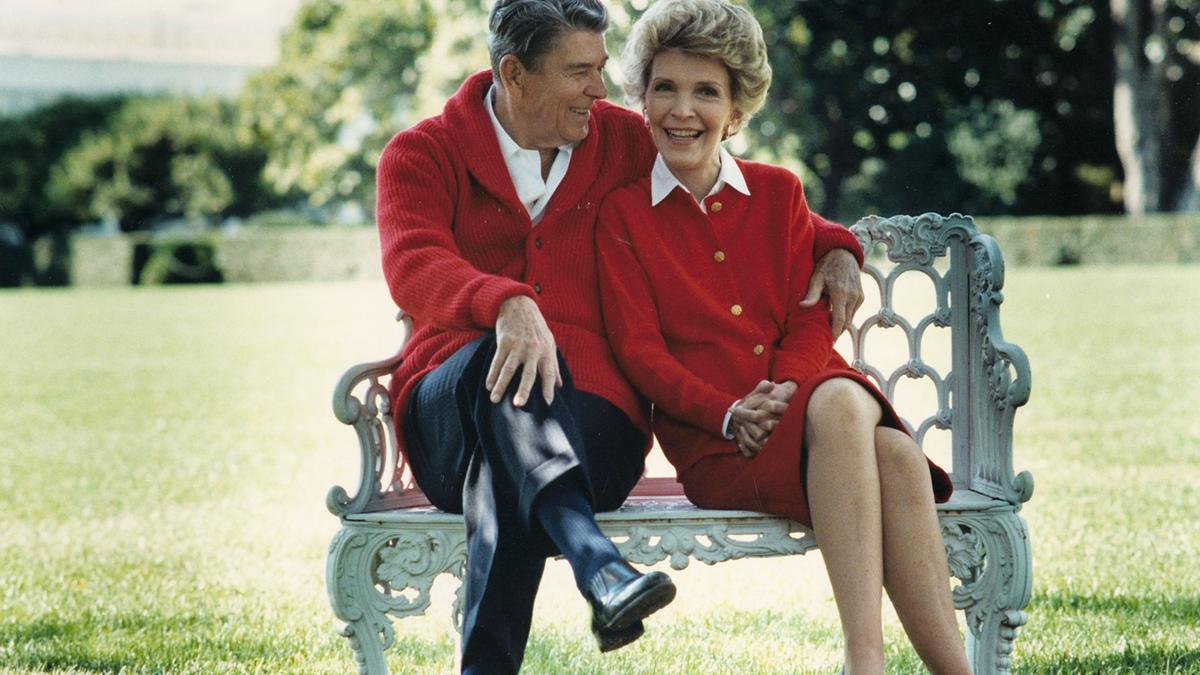
Ronald Reagan's presidency was a pivotal moment in American history, marked by a distinctive approach to leadership that emphasized emotional reassurance over administrative transparency. Through his calm and composed demeanor, Reagan was able to steady a disoriented nation, but this approach had significant consequences for the country's governance. Recent biographies of Reagan, including those by Max Boot and William Inboden, have explored the president's leadership style and its impact on American politics.
Reagan's approach to governance was rooted in a desire to reassure the American public, rather than to address the underlying issues facing the country. This led to a focus on procedure and repetition, rather than meaningful reform or innovation. The federal bureaucracy became increasingly opaque, with a decline in transparency and accountability. The government's emphasis on efficiency and streamlining led to the curtailment of public reports and data series, making it more difficult for citizens to understand what the government was doing. This approach to governance has been characterized as a form of 'reassurance as governance', where the appearance of calm and stability is prioritized over actual competence or effectiveness.
The human cost of Reagan's approach to governance has been significant. The decline in transparency and accountability has made it more difficult for citizens to demand accountability from their government. The AIDS crisis, which occurred during Reagan's presidency, is a stark example of the consequences of this approach. The administration's restriction of information and lack of transparency exacerbated the crisis, leading to unnecessary suffering and death. The impact of this approach has been felt by specific populations, including marginalized communities and those affected by the AIDS crisis.
One of the most significant untold stories of Reagan's presidency is the way in which his approach to governance has been mythologized and distorted. Many biographies and accounts of his presidency have focused on his calm and composed demeanor, without fully exploring the consequences of his approach to governance. This has led to a lack of understanding about the underlying issues facing the country and the ways in which Reagan's approach to governance contributed to these problems. Powerful actors, including politicians and bureaucrats, have downplayed the significance of these issues, preferring to focus on the appearance of calm and stability rather than the reality of governance.
As the United States continues to grapple with the legacy of Reagan's presidency, it is essential to watch for signs of a return to this approach to governance. The emphasis on reassurance and stability, rather than transparency and accountability, can have significant consequences for the country. Citizens must remain vigilant and demand greater transparency and accountability from their government. The next turning points will be critical, as the country navigates the ongoing challenges of governance and the legacy of Reagan's presidency.
Editor's Note: This analysis is based on a range of sources, including biographies and historical accounts of Reagan's presidency. While the interpretation of these events is subjective, the underlying facts and trends are well-documented.
Source referenced: FOREIGNPOLICY
This brief was synthesized by our Editorial Engine and reviewed by The Ground Narrative team.