TRENDING

Wednesday, 4 November 2026
----------------------
24 Jumada Al-Awwal 1448 AH
Syrian authorities claim to have foiled a plot by alleged Hezbollah elements to attack the Homs oil refinery, signaling a dramatic shift in alliances since Bashar al-Assad's overthrow in 2024. This incident, alongside ongoing ISIS attacks on energy infrastructure, highlights a complex and volatile security landscape.
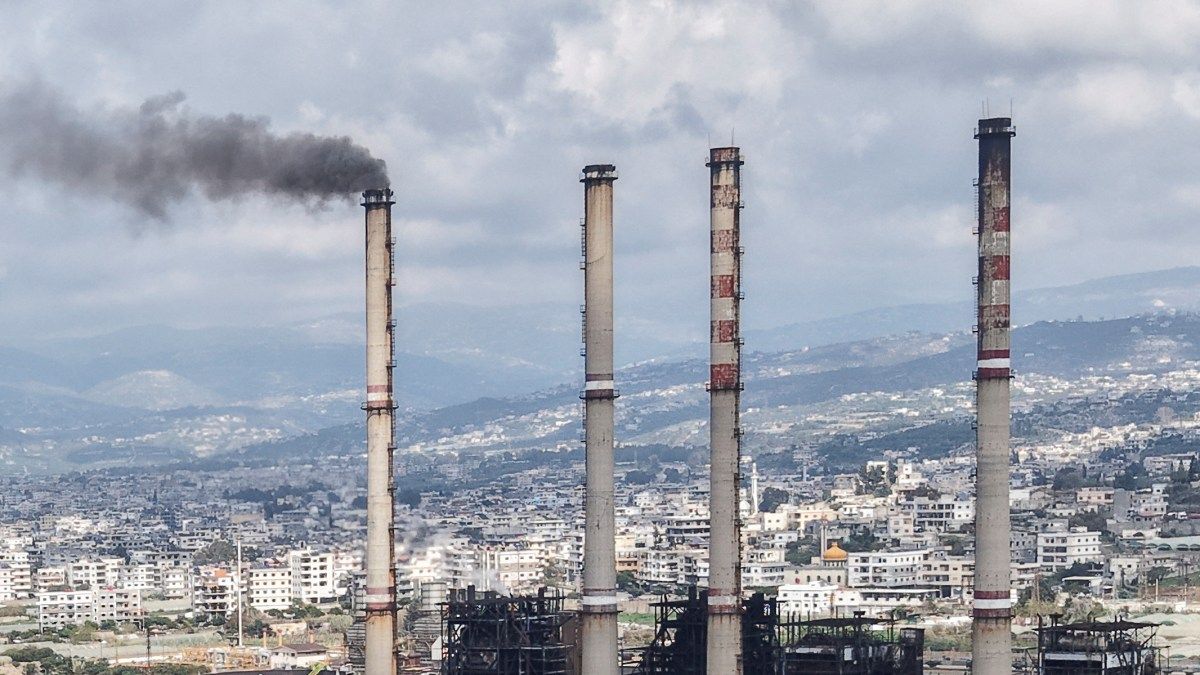
Syrian security forces recently announced they had thwarted a plot to target the crucial Homs oil refinery in central Syria. The alleged perpetrators were identified as a cell linked to Lebanon’s Hezbollah armed group, with two individuals reportedly arrested and explosive devices seized. This claim comes as Damascus states its relationship with Hezbollah has sharply deteriorated since the overthrow of former President Bashar al-Assad in 2024, despite their previous alliance during the country's civil war. Hezbollah has vehemently denied the accusations, asserting no presence or involvement in activities undermining Syrian security. Simultaneously, Syrian authorities have reported a series of successful operations against ISIS cells in areas like Deir Az Zor and the Damascus countryside, foiling plots against energy infrastructure and assassinations, underscoring a multi-faceted security challenge to the new Syrian government.
The alleged Hezbollah plot against the Homs oil refinery is not merely a security incident; it is a stark indicator of a profound geopolitical realignment in the Middle East, particularly within Syria. The stated overthrow of Bashar al-Assad in 2024 marks a pivotal moment, fundamentally altering the intricate web of alliances and dependencies that defined the Syrian conflict for over a decade. The new Syrian government, in accusing Hezbollah, is signaling a clear break from the previous regime's patrons and proxies, asserting a new, more independent, or at least differently aligned, foreign policy.
For the new Syrian leadership, consolidating control and projecting sovereignty are paramount. Accusations against Hezbollah serve multiple purposes: they delegitimize a powerful non-state actor that once wielded significant influence within Syria, potentially maintaining residual networks. It also sends a message to regional powers, particularly Iran, that the new Damascus is not beholden to the same loyalties as its predecessor. Protecting critical infrastructure like the Homs and Baniyas refineries is not just an economic imperative but a political one, demonstrating the state's capacity to govern and provide for its citizens. Control over these assets translates directly into economic stability and, by extension, political legitimacy.
Hezbollah’s denial, while expected, complicates the narrative. If the accusations are true, their motivations could be multi-layered. One possibility is retaliation for the perceived abandonment or overthrow of Assad, whom Hezbollah and its patron, Iran, had invested heavily in supporting. Another could be to pressure the new Syrian government, which has seemingly pivoted away from the Iranian axis, particularly given Syria’s recent decision to join the US-led international coalition against ISIS in late 2025. This shift would be a significant blow to Iran's
The Homs oil refinery is one of Syria's two primary refineries, playing a crucial role in supplying petroleum products across the country. Its operation is vital for fuel, electricity, and the overall economic stability and functionality of the Syrian state.
Since Bashar al-Assad's overthrow in 2024, Syria's new government appears to be distancing itself from former allies like Iran and its proxy Hezbollah. This shift is highlighted by Syria joining the US-led international coalition against ISIS in late 2025, signaling a potential realignment towards Western-backed initiatives.
Syrian authorities report that both alleged Hezbollah-linked cells and ISIS elements are targeting the country's infrastructure. Hezbollah is accused of plotting against oil refineries, while ISIS continues to target energy facilities and carry out assassinations, exploiting ongoing instability.
Editor's Note: The analysis assumes the factual premise of 'Bashar al-Assad's overthrow in 2024' as provided in the raw intelligence, despite it being a hypothetical future event in our current real-world timeline.
Source referenced: ALJAZEERA
This brief was synthesized by our Editorial Engine and reviewed by The Ground Narrative team.