TRENDING

Tuesday, 3 November 2026
----------------------
23 Jumada Al-Awwal 1448 AH
Ukrainian President Volodymyr Zelenskyy has called for a direct meeting with Russian President Vladimir Putin in Türkiye, a move that signals a potential shift in the four-year-long conflict. The Kremlin, however, has countered by inviting Zelenskyy to Moscow, setting the stage for a new diplomatic standoff.
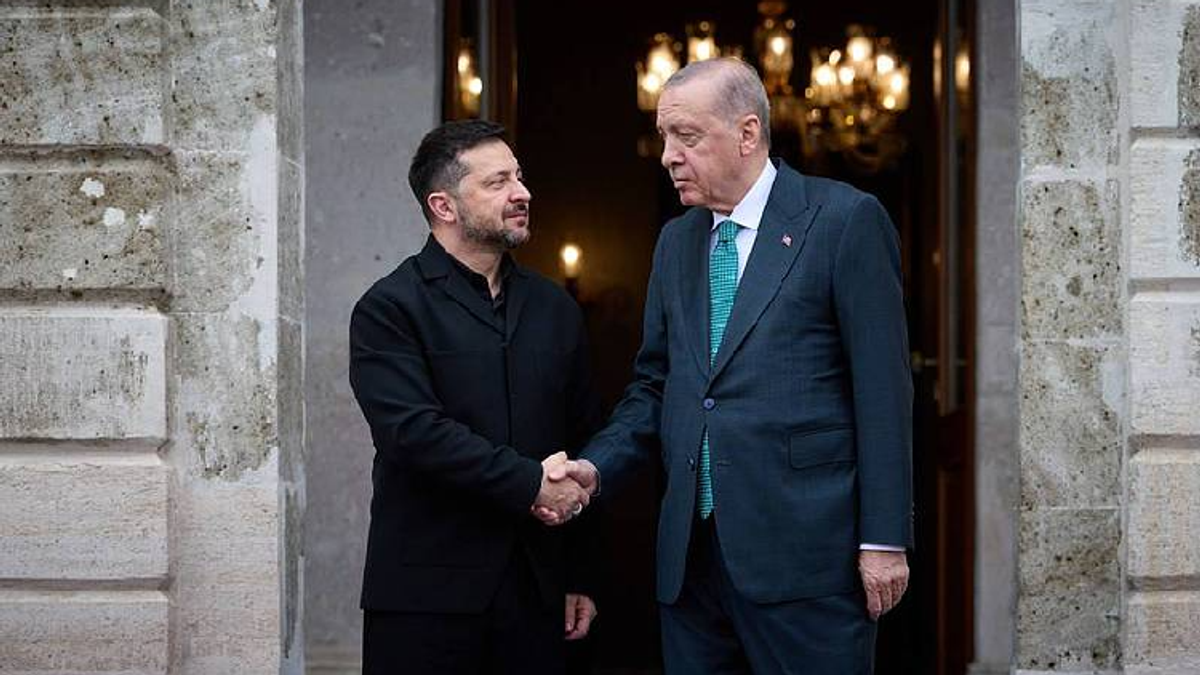
Ukrainian President Volodymyr Zelenskyy has publicly proposed a face-to-face meeting with Russian President Vladimir Putin in Türkiye, urging Turkish President Recep Tayyip Erdogan to facilitate the summit. Zelenskyy articulated that only direct engagement between the two heads of state holds the authority to resolve critical, outstanding issues that lower-level delegations cannot. In response, the Kremlin acknowledged Putin's openness to dialogue but insisted that if Zelenskyy genuinely desires negotiations, he is welcome to visit Moscow. This diplomatic overture comes more than four years after the initial outbreak of large-scale conflict in Ukraine, highlighting the protracted nature of the struggle and the complex web of international mediation efforts.
Zelenskyy's call for direct talks, specifically in Türkiye, is a calculated move born from a complex interplay of battlefield realities, domestic pressures, and a perceived stagnation in proxy negotiations. After more than four years of intense conflict, the Ukrainian leadership may be signaling an acknowledgment that the path to a durable resolution, however difficult, ultimately lies in direct engagement with the adversary's ultimate decision-maker. By proposing Türkiye as the venue, Zelenskyy leverages Erdogan's unique position as a leader who maintains working relationships with both Kyiv and Moscow, offering a neutral ground that avoids the perceived biases of Western capitals.
For Russia, the invitation to Moscow is a clear assertion of power. It frames Ukraine not as an equal negotiating partner but as a supplicant, expected to travel to the seat of Russian power. This stance reflects a consistent Russian diplomatic posture: that the conflict is primarily a matter of Russian security interests and that any resolution must be dictated on Russian terms, within its sphere of influence. Putin's willingness to
Source referenced: CGTN
This brief was synthesized by our Editorial Engine and reviewed by The Ground Narrative team.