TRENDING

Tuesday, 3 November 2026
----------------------
23 Jumada Al-Awwal 1448 AH
Serbia’s parliamentary vote ousted Aleksandar Vucic, but the country’s economic structure remains largely untouched. The incoming student‑driven coalition now faces the daunting task of reshaping a system built on fiscal tightrope walking and foreign‑backed projects.
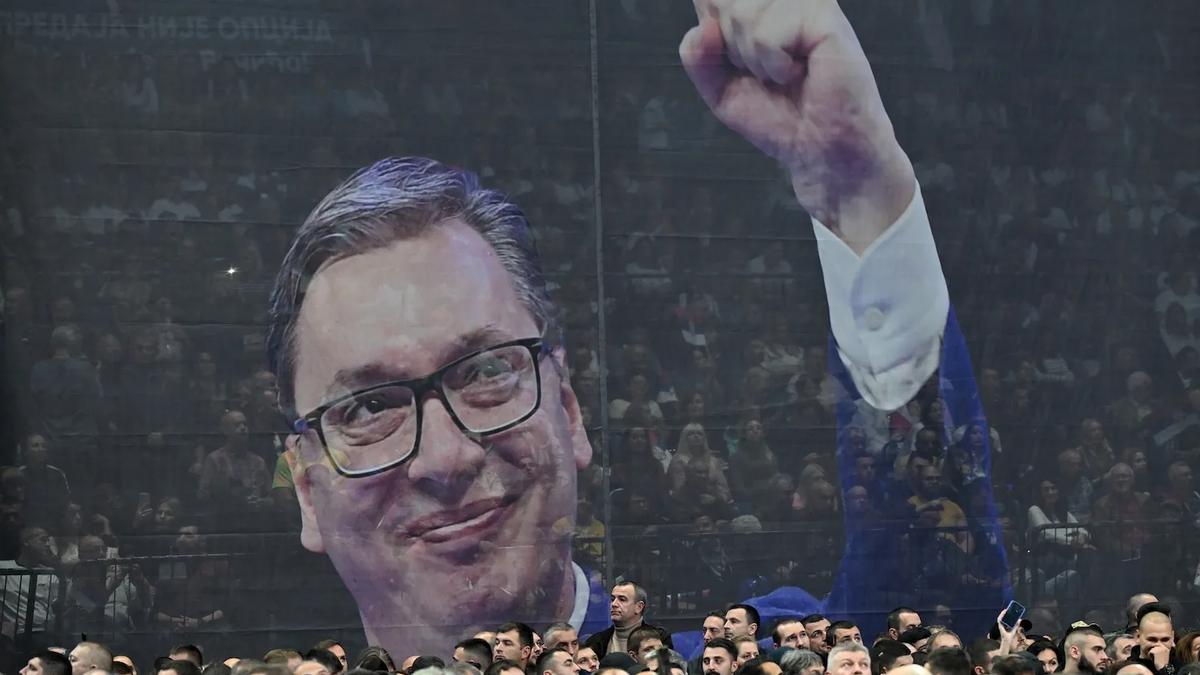
The Oct. 25, 2026 parliamentary election in Serbia delivered a surprise defeat for the long‑ruling Aleksandar Vucic and his Serbian Progressive Party. A loosely organized, leaderless student movement captured enough seats to form a governing coalition, promising a more democratic, European‑oriented future. Yet the macro‑economic picture that Vucic left behind—low public debt, heavy Chinese investment, and a fragile export base—remains largely intact.
- Fiscal Tightrope
Vucic’s tenure was defined by a disciplined fiscal policy that cut the debt‑to‑GDP ratio to roughly 45 %. By keeping public spending in check, his government earned credibility with the International Monetary Fund and the European Union, which saw Serbia as a low‑risk partner for future accession talks. The trade‑off was a political economy in which state contracts were funneled to loyal business networks, creating a patronage system that blended austerity with crony capitalism.
- Chinese Belt
Parallel to the Western‑focused fiscal reforms, Vucic opened the door to massive China‑backed infrastructure projects—highways, rail links, and a partially completed metal‑processing plant in the north. These deals were attractive because they required little immediate fiscal outlay, but they also tied Serbia to a debt structure that is opaque and heavily denominated in yuan. The Chinese model offered quick construction wins, yet it limited Serbia’s bargaining power in future negotiations.
- EU Gate
While Vucic cultivated a pragmatic relationship with Brussels, full EU membership remained elusive. The accession process demanded reforms in rule of law, media freedom, and public procurement—areas where Vucic’s administration had entrenched control. The student coalition now inherits a diplomatic limbo: the EU is willing to deepen trade, but political convergence remains a conditional hurdle.
- Student Network
The victorious movement is not a traditional party; it operates through university circles, online forums, and a decentralized activist base. This structure gives it flexibility but also limits its immediate capacity to negotiate complex trade agreements or manage large‑scale state contracts. Their power rests on moral authority and public mobilization rather than institutional experience.
- Rural Poverty
Outside the capital, many villages still live below the EU average standard of living. Agricultural subsidies are modest, and the lack of modern logistics hampers market access. The student coalition’s promise of land reform and better rural credit has yet to translate into tangible income gains for these communities.
- Pension Gap
Serbia’s pension system lags behind neighboring Montenegro, where basic pensions and minimum wages are higher. Older citizens receive modest state pensions that barely cover rising utility costs, a legacy of Vucic’s fiscal restraint that prioritized debt reduction over social spending.
- Labor Precarity
The influx of Chinese‑financed construction projects created temporary jobs, but many of these positions are short‑term, low‑skill, and lack collective bargaining protections. Workers in state‑linked factories report irregular wages and unsafe conditions, reflecting the clientelistic allocation of contracts to politically connected firms.
- Brain Drain
Persistent economic stagnation has driven a steady outflow of young professionals to the EU. Even as the student movement wins seats, the brain drain continues, eroding the very talent pool needed to implement structural reforms.
- Debt Transparency
Official statistics show Serbia’s external debt at a manageable level, but the terms of many Chinese loans are concealed behind bilateral agreements that lack public disclosure. This opacity makes it difficult for civil society to assess repayment schedules or the risk of a future debt crisis.
- Media Silence
Vucic’s regime exercised tight control over broadcast and print outlets, a fact that the new coalition downplays in its public messaging. While overt censorship has eased, many journalists remain self‑censoring out of fear of legal reprisals, limiting the flow of investigative reporting on corruption and contract awards.
- Hidden Patronage
The fiscal discipline that lowered debt also amplified the importance of personal connections for accessing state resources. Contracts for road upgrades, energy projects, and telecom licences often went to firms linked to party insiders. The student movement’s anti‑clientelism rhetoric has yet to dismantle these entrenched networks.
- EU Conditionality Gap
Brussels publicly emphasizes Serbia’s progress on reforms, but behind the scenes it balances economic incentives with geopolitical concerns, especially regarding China’s growing foothold in the Balkans. This diplomatic tightrope is rarely mentioned in official statements, leaving the public unaware of the strategic compromises shaping policy.
- EU Accession Talks – The next round of negotiations will test whether the student coalition can meet rule‑of‑law benchmarks while keeping the Chinese projects alive. A slowdown or suspension would signal a return to Vucic‑style bargaining.
- Chinese Contract Renegotiations – Early 2027 may see Serbia seeking to refinance or restructure its yuan‑denominated loans. Watch for any public statements from Beijing about “mutual benefit” versus “fair repayment”.
- Domestic Protest Waves – If rural subsidies, pension reforms, or labor protections remain stagnant, organized protests could re‑ignite, potentially forcing the coalition to confront the patronage networks it inherited.
- Brain‑Drain Metrics – Migration statistics for the 2026‑2028 period will reveal whether the new government’s promises of a more open economy are enough to retain young talent.
- Media Freedom Indicators – Independent watchdog reports on press freedom will indicate whether the lingering climate of self‑censorship is loosening or tightening under the new administration.
By tracking these variables, observers can gauge whether Serbia’s political turnover will eventually reshape its economic foundations or simply re‑brand the same structures under a different banner.
Serbia must balance a low‑debt fiscal record with a heavy reliance on opaque Chinese loans, while still meeting EU reform demands and addressing rural poverty, pension gaps, and labor precarity.
The coalition promises deeper EU integration, but it will need to demonstrate rule‑of‑law improvements and manage Chinese investment without compromising sovereignty, a delicate diplomatic act that will shape accession prospects.
Editor's Note: Analysis based on publicly available election results and economic data up to November 2026.
Source referenced: FOREIGNPOLICY
This brief was synthesized by our Editorial Engine and reviewed by The Ground Narrative team.