TRENDING

Tuesday, 3 November 2026
----------------------
23 Jumada Al-Awwal 1448 AH
A recent cyberattack targeting supermarket refrigeration systems across Europe exposed the fragility of modern food supply chains. This incident forced retailers to discard vast quantities of spoiled food, disrupting daily life for millions.
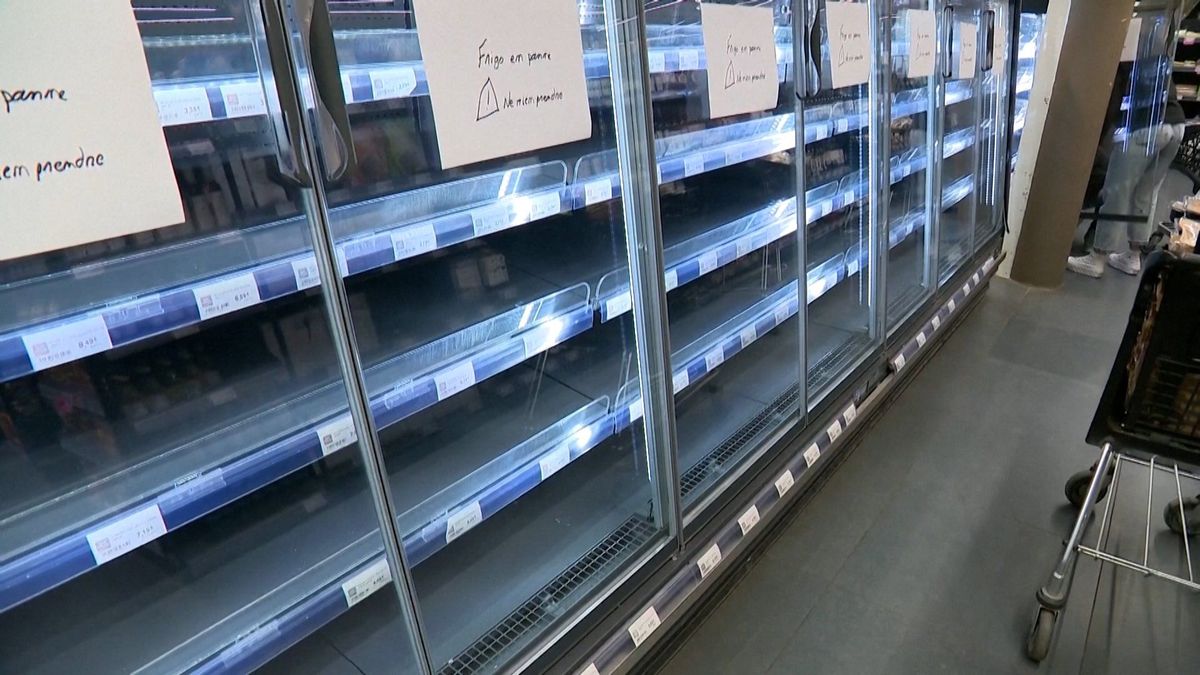
A recent and widespread cyberattack crippled the refrigeration systems of supermarkets across Europe, leading to significant disruption in food supply. The coordinated digital assault caused temperatures to rise in fridges and freezers, rendering large volumes of perishable goods unusable. Retailers were forced to dispose of spoiled food, resulting in empty shelves in some stores and a tangible hit to the continent's intricate food distribution network.
The incident reveals a stark truth about modern infrastructure: the increasing convergence of information technology (IT) and operational technology (OT) creates profound vulnerabilities. The attack did not target customer data or financial systems directly, but rather the industrial control systems governing physical assets like refrigeration units. This shift in targeting demonstrates a sophisticated understanding of how to inflict maximum disruption with minimal direct confrontation.
Cyberattacks offer a potent, asymmetric tool for state or non-state actors. They are relatively inexpensive to mount, difficult to attribute definitively, and can inflict widespread economic and social damage without deploying conventional military force. For an actor seeking to destabilize a region or test an adversary's resilience, a cyberattack on critical infrastructure like the food supply chain is a highly efficient weapon. It operates in a 'grey zone' of conflict, where the rules of engagement are ill-defined, and the threshold for retaliation is ambiguous. This deniability makes it attractive for those who wish to exert pressure without triggering a full-scale military or diplomatic response.
Targeting the food supply is not merely about spoiled groceries; it's about economic warfare. The immediate losses for retailers, distributors, and farmers are substantial. Beyond that, such attacks can sow public panic, erode consumer confidence, and test the ability of governments to ensure basic necessities. In an interconnected global economy, disrupting a major sector like food retail can have ripple effects, impacting stock markets, insurance premiums, and investor confidence. It forces governments to divert resources to crisis management and cybersecurity, potentially at the expense of other priorities, thereby weakening their overall strategic posture.
The European Union has made strides in cybersecurity policy, but the implementation of these directives remains fragmented across its member states. Critical infrastructure protection often falls to national governments, and even individual private companies, leading to a patchwork of defenses. This unevenness creates weak points that malicious actors can exploit. While some nations may have robust cybersecurity frameworks, others may lag, creating a collective vulnerability for the entire bloc. The reliance on just-in-time logistics, while efficient, also means that supply chains have minimal buffer capacity, making them highly susceptible to even short-term disruptions.
For many corporations, cybersecurity, particularly for legacy OT systems, is often viewed as a cost center rather than a fundamental operational necessity. The drive for efficiency and quarterly profits can lead to underinvestment in robust security measures. Older industrial control systems, some decades old, were never designed with modern cyber threats in mind and are notoriously difficult and expensive to secure. This economic calculus often clashes with the broader imperative of national security and societal resilience, leaving critical infrastructure exposed to exploitation.
While the headlines focus on the technical aspects and economic impact, the real burden of such attacks falls squarely on ordinary citizens and the communities that depend on these vital systems. The human cost is multifaceted, extending beyond mere inconvenience.
The most immediate and visible impact for European citizens is the sight of empty supermarket shelves. For many, this means a sudden inability to access fresh produce, dairy, and meat. This scarcity can quickly lead to price hikes as demand outstrips supply, disproportionately affecting low-income households who are already struggling with rising living costs. The psychological impact of seeing essential goods disappear can be profound, fostering anxiety and a sense of insecurity about basic needs.
The scale of food spoilage from this attack is immense. Millions of tons of perfectly good food, representing countless hours of labor, vast quantities of water, and significant energy inputs, were rendered inedible. This waste is not only an economic loss but also an environmental catastrophe. Decomposing food in landfills generates methane, a potent greenhouse gas, exacerbating climate change. The incident highlights the fragility of our food systems and the environmental consequences of their disruption.
When essential services like food supply are disrupted, public trust in institutions—governments, corporations, and even international bodies—can rapidly erode. A sense of vulnerability can spread through society, potentially leading to social unrest or increased political polarization. Citizens expect their leaders to ensure basic security and stability, and failures in critical infrastructure can fuel discontent and empower populist narratives that exploit public fears.
Beyond large supermarket chains, the attack ripples through the entire food ecosystem. Small local producers, farmers, and independent retailers, who often operate on razor-thin margins, are particularly vulnerable. A disruption in the supply chain means lost sales, spoiled inventory, and potential financial ruin. Many small businesses lack the resources to absorb such shocks, threatening local economies and the livelihoods of countless individuals.
In the aftermath of such an event, official statements often focus on immediate recovery and assurances of resilience. However, several critical aspects typically remain downplayed or entirely omitted from the public discourse.
Governments and cybersecurity agencies are often extremely cautious, or even secretive, about publicly attributing cyberattacks, especially when a powerful state actor is suspected. This reticence stems from several factors: the difficulty of gathering irrefutable digital forensics, the desire to avoid escalating tensions, or the strategic advantage of maintaining ambiguity. For the public, however, this lack of clear attribution leaves a void. Who attacked? Why? Without these answers, it's difficult for citizens to understand the true nature of the threat or for policymakers to craft effective deterrents and responses. The silence often serves to protect geopolitical maneuvering rather than inform the public.
The supermarket attack, while impactful, is merely a symptom of a much deeper, systemic vulnerability across all critical infrastructure sectors. Many European nations rely on aging industrial control systems in energy grids, water treatment plants, transportation networks, and healthcare facilities that were never designed for the modern threat landscape. These systems are often air-gapped in theory but increasingly connected for efficiency, creating unforeseen entry points for attackers. The untold story is that this incident is not an anomaly but a harbinger of potential future disruptions, perhaps in even more critical areas, that remain largely unaddressed.
Source referenced: ALJAZEERA
This brief was synthesized by our Editorial Engine and reviewed by The Ground Narrative team.


