TRENDING

Tuesday, 3 November 2026
----------------------
23 Jumada Al-Awwal 1448 AH
Unofficial US envoys Jared Kushner and Steve Witkoff attempted to broker peace in Ukraine, Gaza, and with Iran using a business-centric approach. Their efforts consistently failed, revealing a fundamental misunderstanding of national security and identity as drivers of international conflict.
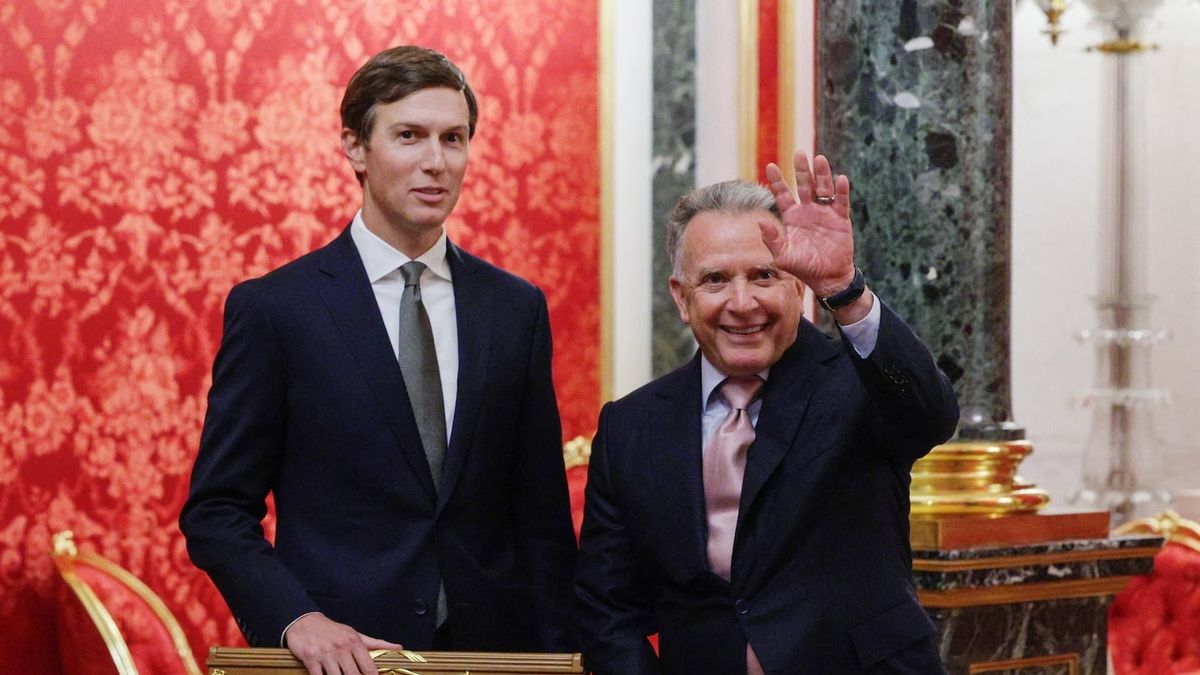
Unofficial US envoys Jared Kushner and Steve Witkoff, personally selected by President Donald Trump, embarked on critical diplomatic missions concerning the conflicts in Ukraine, Gaza, and negotiations with Iran. Despite repeated engagements and offers of economic inducements, their efforts have consistently failed to achieve lasting peace or stability in any of these theaters. The proposed peace deal for Gaza is widely seen as a superficial agreement, while the war in Ukraine continues to rage, and pre-war negotiations with Iran collapsed, leading to further conflict.
The consistent failure of these diplomatic initiatives stems from a fundamental misreading of international power dynamics, rooted in a transactional, real-estate developer worldview. This perspective assumes that all actors, including sovereign states and their leaders, are primarily motivated by financial gain and that complex geopolitical conflicts can be resolved by offering
Their efforts reportedly failed because they applied a transactional, business-centric worldview to complex geopolitical conflicts. This approach prioritized economic incentives, overlooking the fundamental importance of national security, territorial integrity, and national identity for states and their leaders.
The human cost is severe, leading to prolonged suffering for populations in conflict zones like Gaza and Ukraine. It results in continued violence, displacement, denial of political rights, and economic hardship, as fundamental issues are not addressed by superficial or economically driven 'peace deals'.
Powerful actors downplayed the deep-seated motivations of states beyond economic gain, such as national security fears and the desire for self-determination. They also sometimes used diplomacy as a smokescreen for other strategic objectives, rather than a genuine pursuit of lasting peace.
Editor's Note: The raw intelligence is from a '2026' article, implying a future scenario. This analysis treats the events as current within the context of the prompt.
Source referenced: FOREIGNPOLICY
This brief was synthesized by our Editorial Engine and reviewed by The Ground Narrative team.


