TRENDING

Sunday, 4 October 2026
----------------------
23 Rabi' Al-Thani 1448 AH
The US and Iran are reportedly having 'very good discussions' to reopen the Strait of Hormuz, a critical waterway for global oil shipments. But what's at stake, and who will benefit from a potential deal? The answer lies in the complex web of power and profit that surrounds this strategic chokepoint.
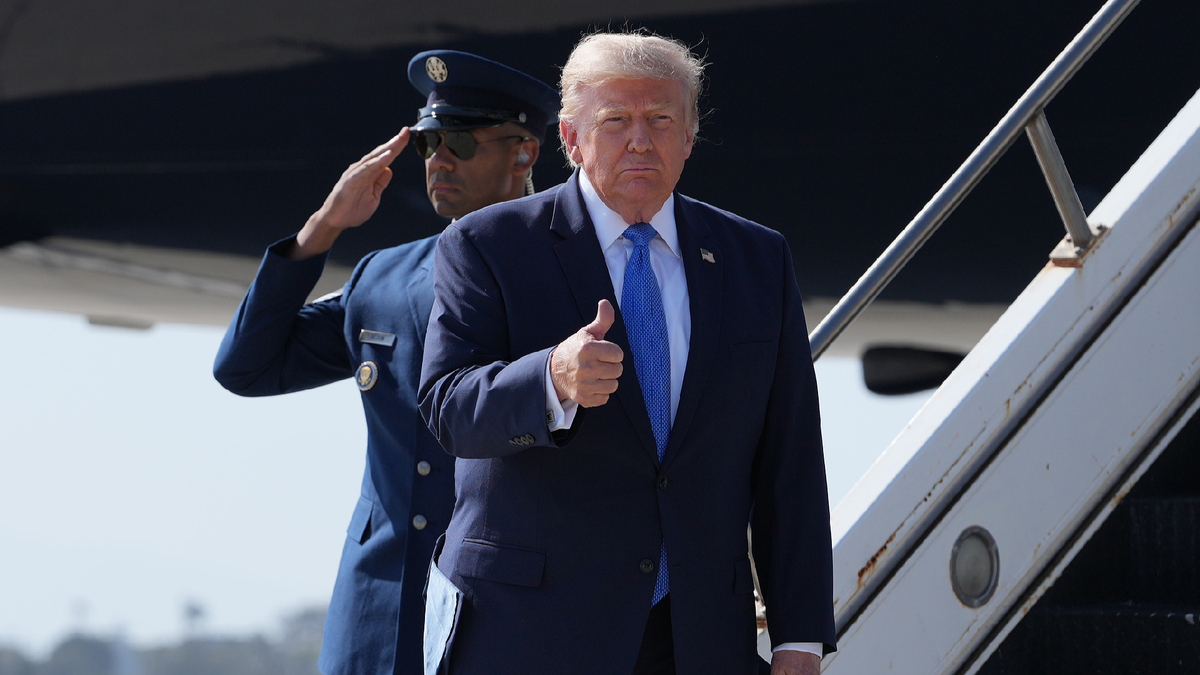
The US and Iran have been engaged in a five-month conflict that has disrupted oil shipments through the Strait of Hormuz, a vital waterway that carries about a fifth of global oil and liquefied natural gas shipments. Recently, US President Donald Trump announced that his administration was having 'very good discussions' with Iran, fueling expectations of an imminent end to the conflict. The talks are focused on reopening the strait, with Oman, which controls part of the waterway, playing a key role in the negotiations.
The conflict over the Strait of Hormuz is not just about oil shipments; it's about power and control. The US has long sought to limit Iran's influence in the region, while Iran has demanded control over the strait, which it says should be shared with Oman. The US has maintained a blockade of Iran-related shipping and ports, while Iran has halted most traffic through the strait. The negotiations are a delicate balancing act, with both sides seeking to protect their interests and avoid losing face.
The conflict has had a devastating impact on civilians, particularly in Iran. The Iranian government has reported over 3,400 deaths since the conflict began, including 50 people killed and 500 wounded by US strikes. The United Nations' International Maritime Organization has reported at least 17 deaths of seafarers from 64 incidents in the Strait of Hormuz. The conflict has also disrupted the livelihoods of people in the region, particularly those dependent on the oil industry.
Despite the optimistic tone of the recent negotiations, there are several factors that could derail a potential deal. The US has yet to achieve its objectives in the conflict, including dismantling Iran's nuclear program and curbing its ability to attack regional rivals. Iran, on the other hand, has long demanded control over the Strait of Hormuz, which it says is essential for its national security. The negotiations are also complicated by the involvement of other regional actors, including Oman and Qatar, which have their own interests and agendas.
As the negotiations continue, several key factors will determine the outcome. The US will need to balance its desire to limit Iran's influence in the region with the need to avoid escalating the conflict. Iran, on the other hand, will need to weigh the benefits of a deal against the potential risks of compromising its national security. The role of Oman and other regional actors will also be critical in determining the success of the negotiations. Ultimately, the outcome will depend on the ability of the parties to find a mutually acceptable solution that balances their competing interests and avoids further conflict.
Editor's Note: The outcome of the negotiations is uncertain, and the situation remains volatile.
Source referenced: CGTN
This brief was synthesized by our Editorial Engine and reviewed by The Ground Narrative team.


