TRENDING

Thursday, 22 October 2026
----------------------
11 Jumada Al-Awwal 1448 AH
South Africa's relocation of six cheetahs to Zambia's greater Luangwa ecosystem marks a significant step in regional wildlife conservation and ecosystem restoration efforts.
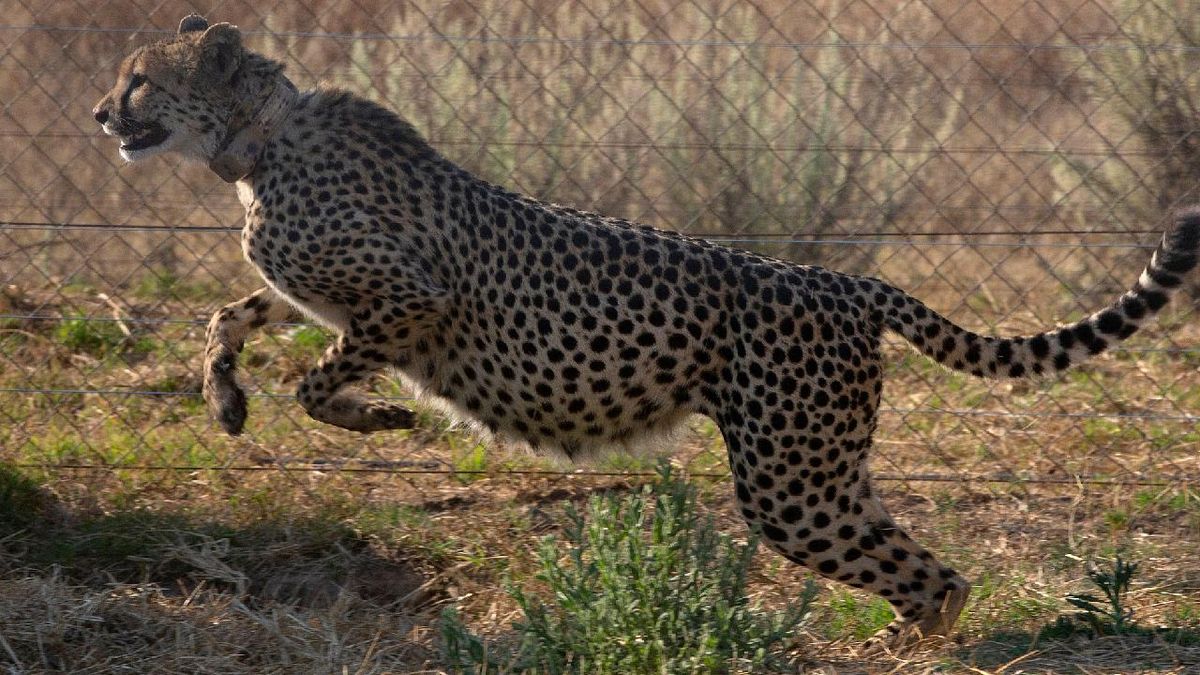
South Africa's relocation of six cheetahs to Zambia's greater Luangwa ecosystem marks a significant step in regional wildlife conservation and ecosystem restoration efforts. The translocation, led by Zambia's Department of National Parks and Wildlife in partnership with regional and international conservation organizations, aims to restore the cheetah population in the region, which has been absent for nearly three decades.
Cheetahs are classified as vulnerable on the International Union for Conservation of Nature (IUCN) Red List of Threatened Species, with an estimated global population of around 6,500 mature individuals. The species has declined by about 37 percent over the past 15 years due to habitat loss, human-wildlife conflict, illegal wildlife trade, and declining prey populations. The reintroduction of cheetahs to Zambia's greater Luangwa ecosystem is a critical step in addressing these conservation challenges.
The relocation of cheetahs from South Africa to Zambia is a strategic move that highlights the importance of regional cooperation in wildlife conservation. By partnering with regional and international conservation organizations, Zambia's Department of National Parks and Wildlife demonstrates its commitment to protecting the region's biodiversity. The translocation also underscores the need for collaborative efforts to address the complex conservation challenges facing the region.
The reintroduction of cheetahs to Zambia's greater Luangwa ecosystem has significant regional implications. The project aims to restore the cheetah population in the region, which will have a positive impact on the local ecosystem. The reintroduction of cheetahs will also contribute to the development of sustainable tourism in the region, creating economic opportunities for local communities.
The success of the cheetah reintroduction program will depend on various factors, including the health and adaptation of the relocated animals, the effectiveness of the predator-proof sanctuary, and the level of support from local communities. If successful, the program will serve as a model for future conservation efforts in the region, highlighting the importance of collaborative approaches to addressing complex conservation challenges.
South Africa's relocation of six cheetahs to Zambia's greater Luangwa ecosystem marks a significant step in regional wildlife conservation and ecosystem restoration efforts. The translocation highlights the importance of regional cooperation in addressing complex conservation challenges and underscores the need for collaborative efforts to protect the region's biodiversity. The success of the program will depend on various factors, including the health and adaptation of the relocated animals, the effectiveness of the predator-proof sanctuary, and the level of support from local communities.
Editor's Note: The success of the cheetah reintroduction program will depend on various factors, including the health and adaptation of the relocated animals, the effectiveness of the predator-proof sanctuary, and the level of support from local communities.
Source referenced: CGTN
This brief was synthesized by our Editorial Engine and reviewed by The Ground Narrative team.