TRENDING

Friday, 16 October 2026
----------------------
5 Jumada Al-Awwal 1448 AH
Senegalese President Bassirou Diomaye Faye has dismissed Prime Minister Ousmane Sonko and dissolved the government, signaling a major political realignment amidst a severe debt crisis and a power struggle between the two former allies. This move, following months of public feuding, raises concerns about political stability in a key West African democracy.
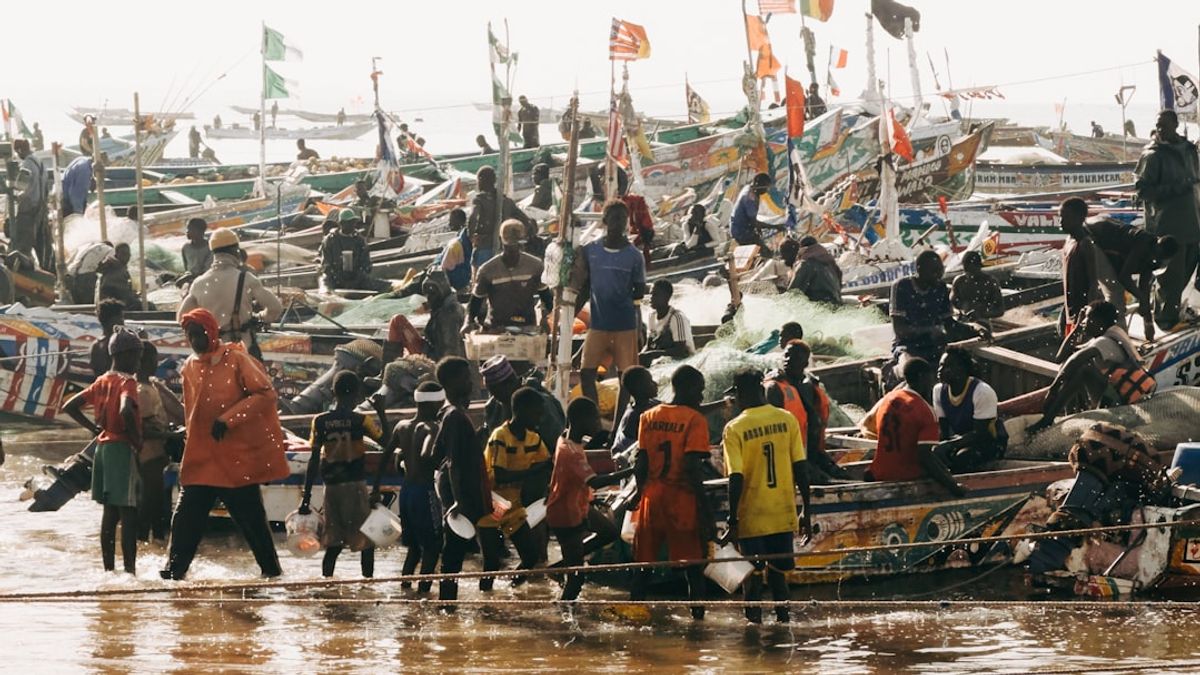
The recent dismissal of Prime Minister Ousmane Sonko and the dissolution of the entire government by Senegalese President Bassirou Diomaye Faye marks a significant political upheaval in a nation often lauded for its democratic stability in West Africa. This abrupt move, announced via a presidential decree, follows months of escalating tensions and public disagreements between the two leaders who, just months prior, formed a formidable political alliance that swept them into power from prison.
The core of this political crisis lies in the unusual power dynamic that brought Faye to the presidency. Ousmane Sonko, a charismatic figure with immense popularity, particularly among Senegal's youth, was widely expected to contest and potentially win the 2024 presidential elections. However, a defamation conviction barred him from running. In a strategic move, Sonko endorsed his close ally, Bassirou Diomaye Faye, campaigning under the powerful slogan "Diomaye is Sonko, Sonko is Diomaye." This alliance proved incredibly potent, leading to an extraordinary victory against the incumbent, Macky Sall, despite both Faye and Sonko being incarcerated just days before the election.
This shared history, however, appears to have fostered an inherent tension. President Faye reportedly criticized Sonko's "excessive personalisation" within the ruling Pastef party, suggesting a struggle for ultimate authority. Conversely, Sonko publicly accused Faye of a "failure of leadership" for not defending him against critics, culminating in a parliamentary session where the Prime Minister openly challenged the President's approach to the nation's severe economic challenges. This public display of disunity likely precipitated Faye's decisive action to assert presidential prerogative.
The political infighting unfolds against a backdrop of significant economic strain. Senegal is grappling with a public debt that has soared to an alarming 132% of its Gross Domestic Product (GDP), according to the International Monetary Fund (IMF). This precarious financial situation has led the IMF to freeze its $1.8 billion lending program, further exacerbating the country's economic woes. Sonko's public criticism of Faye's handling of this debt crisis was not merely a personal attack but touched upon a deeply sensitive national issue, potentially undermining public confidence in the new administration's economic stewardship.
From a geopolitical perspective, Senegal's stability is crucial for the broader West African region. While many neighboring countries have experienced military coups and democratic backsliding in recent years, Senegal has largely maintained its democratic institutions. The current political turbulence, therefore, sends concerning signals about the resilience of its governance structures. Any prolonged period of instability could deter foreign investment, particularly as Senegal recently began oil production, a development poised to significantly alter its economic landscape and strategic importance. The effective management of these new energy resources, and the associated revenues, will be critical for the nation's future development and stability.
President Faye's decision to sack his Prime Minister and dissolve the government, while a constitutional power, carries substantial political risks. It signals a clear intent to consolidate power and establish his authority, moving beyond the "Diomaye is Sonko" narrative. However, Sonko's enduring popularity, evidenced by student demonstrations in Dakar following his dismissal, means that alienating him could fragment the ruling coalition and potentially ignite public dissent. The lack of immediate details regarding the appointment of a new prime minister adds to the uncertainty, leaving a vacuum that could be exploited by political rivals or lead to further internal divisions.
The challenge for President Faye now is to quickly establish a new, cohesive government capable of addressing the pressing economic crisis and maintaining public trust. His ability to navigate this internal political fallout, while simultaneously steering the nation through its financial difficulties and managing the expectations associated with new oil wealth, will define his presidency. The international community will be closely watching Senegal, a key partner in regional security and a beacon of democratic hope in a complex continent, to see if it can weather this internal storm without compromising its hard-won stability.
Editor's Note: The immediate political fallout and long-term implications for Senegal's stability and economic recovery are still unfolding.
Source referenced: BBC
This brief was synthesized by our Editorial Engine and reviewed by The Ground Narrative team.