TRENDING

Monday, 5 October 2026
----------------------
24 Rabi' Al-Thani 1448 AH
Houthi forces are escalating attacks on Saudi Arabia and seizing control of critical Red Sea waterways, directly threatening Riyadh's ambitious economic transformation plans and global shipping routes. This renewed conflict exposes the limits of conventional military power against persistent asymmetric warfare and reshapes regional alliances.
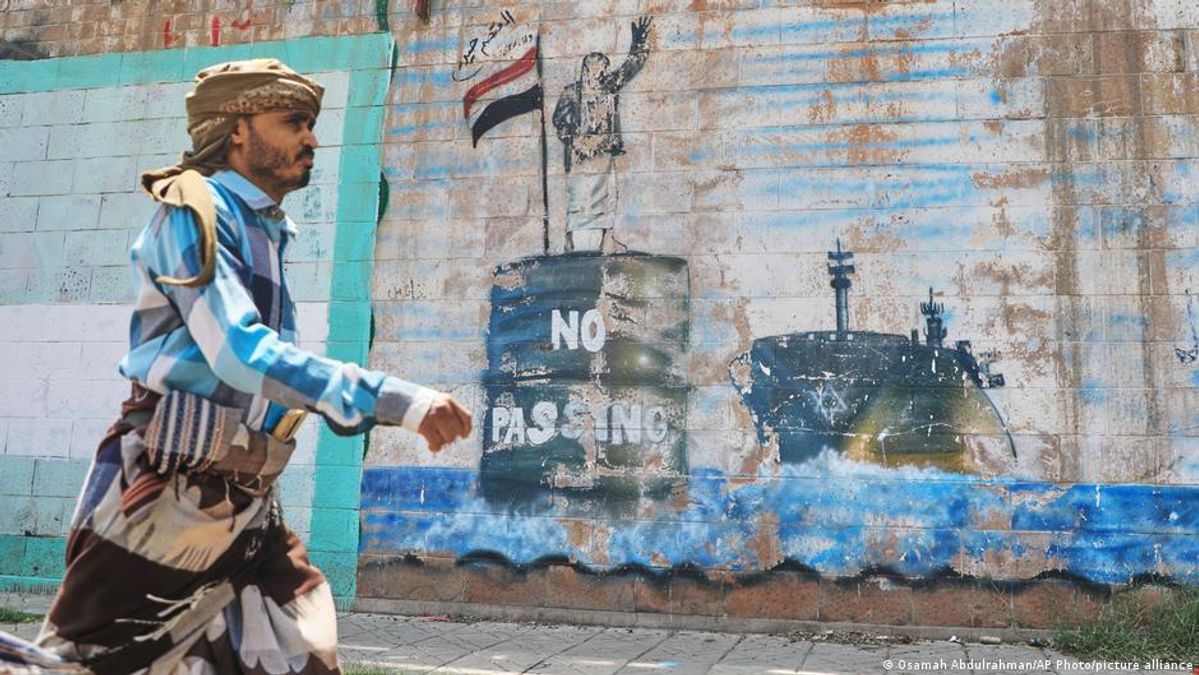
For weeks, Houthi forces in Yemen have intensified their campaign against Saudi Arabia, launching missile and drone attacks that have disrupted daily life for Saudi citizens and targeted vital energy infrastructure. Simultaneously, the militia has pushed deeper into Yemen's coastal territories and Red Sea islands, effectively gaining oversight of the crucial Bab el-Mandeb Strait. This escalation marks a significant shift after a period of relative calm, signaling a renewed and potent threat to Saudi stability and international maritime commerce.
At the heart of this conflict lies a profound asymmetry of power and objectives. Saudi Arabia, with its vast wealth and modern military, is attempting to realize Crown Prince Mohammed bin Salman's Vision 2030 – an ambitious plan to diversify the kingdom's economy away from oil. This vision hinges entirely on regional stability, which the Houthis are directly undermining. The Houthis, by contrast, do not need to win a conventional war; their strategy is to impose costs through persistent, low-tech attacks on high-value targets and strategic choke points. Their control over parts of the Bab el-Mandeb Strait, a narrow waterway connecting the Red Sea to the Gulf of Aden, gives them outsized leverage over global shipping, including Saudi oil exports.
Adding to Riyadh's predicament is the reluctance of its traditional allies. The United States, grappling with its own resource constraints and an ongoing campaign against Iran, has offered intelligence but shied away from direct military intervention, remembering the costly and indecisive Saudi-led coalition efforts between 2015 and 2022. European initiatives, such as Operation Aspides, aim to protect shipping but lack the strategic depth to alter the conflict's trajectory on the ground. Even the recently formed
Source referenced: DW
This brief was synthesized by our Editorial Engine and reviewed by The Ground Narrative team.