TRENDING

Thursday, 22 October 2026
----------------------
11 Jumada Al-Awwal 1448 AH
US President Donald Trump's statement that a civilian nuclear cooperation deal with Saudi Arabia is contingent on the kingdom joining the Abraham Accords has sparked confusion and raised concerns about the pact's implications for regional stability.
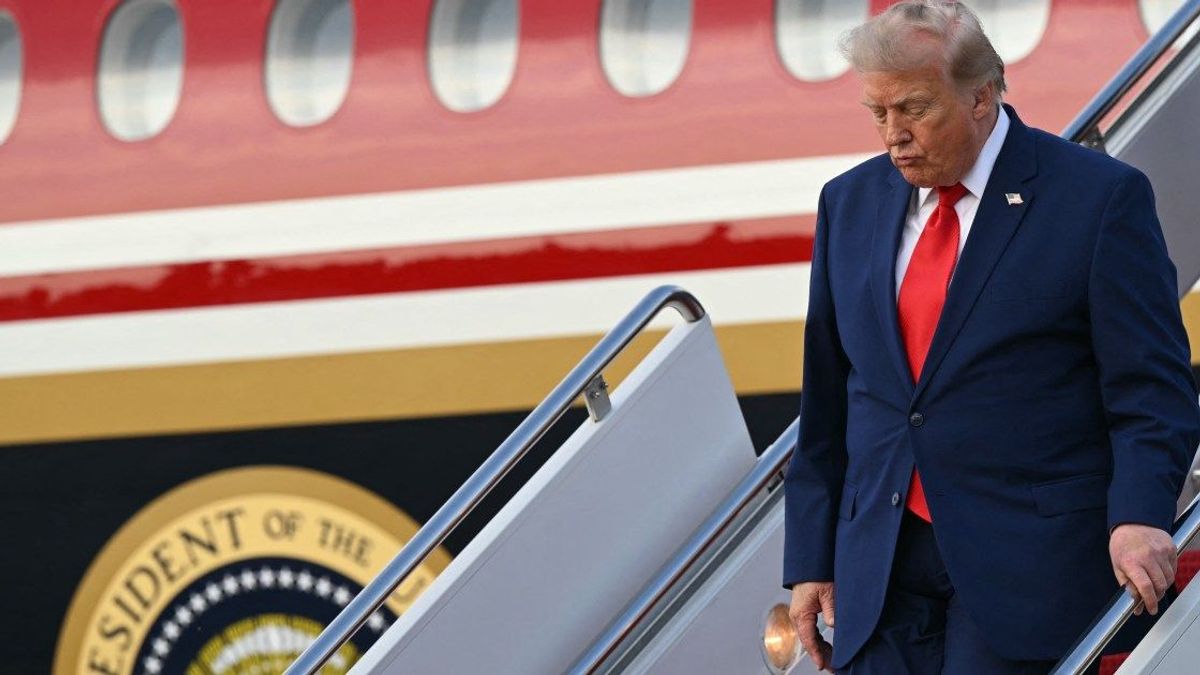
The announcement of a civilian nuclear cooperation deal between the United States and Saudi Arabia has sent shockwaves through the international community. The deal, which requires approval from the US Congress, has been shrouded in secrecy, with many questions remaining unanswered. However, US President Donald Trump's statement that the agreement is 'totally subject' to Saudi Arabia joining the Abraham Accords has cast further confusion over the deal's intentions.
The Abraham Accords, initially signed by the UAE and Bahrain in December 2020, marked a significant shift in regional dynamics. The agreements, which normalized ties between Israel and several Arab countries, were seen as a major diplomatic coup for the Trump administration. However, the accords have been criticized for side-stepping the Palestinian issue and have failed to deliver on their promise of regional peace.
Saudi Arabia has long sought a civilian nuclear programme as part of its efforts to reduce its dependence on fossil fuels. The kingdom has also been critical of Iran's nuclear programme, which it sees as a threat to regional stability. However, the announcement of the nuclear cooperation deal with the US has raised concerns that Saudi Arabia may be seeking to develop its own nuclear capabilities.
The deal's provision for Saudi Arabia to enrich uranium domestically has been a major point of contention. While uranium enrichment is not prohibited under the Treaty on the Non-Proliferation of Nuclear Weapons (NPT), it is a critical step in the development of nuclear weapons. The US has long opposed providing enrichment technology and knowledge to countries that do not already possess it. However, Trump's statement that the US is not opposed to 'Civil (Non-Enriched) Nuclear Facilities' has raised questions about the deal's true intentions.
The nuclear cooperation deal with Saudi Arabia is a high-stakes gamble for the US. If the deal is approved, it could have significant implications for regional stability and the global non-proliferation regime. The deal's provision for domestic enrichment could incentivize Iran to seek nuclear weapons, while also raising concerns about the potential for a nuclear arms race in the Middle East.
The announcement of the nuclear cooperation deal between the US and Saudi Arabia has sent shockwaves through the international community. While the deal's intentions are unclear, Trump's statement that it is contingent on Saudi Arabia joining the Abraham Accords has raised concerns about the pact's implications for regional stability. The deal's provision for domestic enrichment has also raised questions about the US's commitment to non-proliferation. As the deal moves forward, it is essential that the US and its allies carefully consider the implications of this high-stakes gamble.
Editor's Note: The analysis is based on publicly available information and may be subject to change as more details emerge.
Source referenced: ALJAZEERA
This brief was synthesized by our Editorial Engine and reviewed by The Ground Narrative team.