TRENDING

Monday, 19 October 2026
----------------------
8 Jumada Al-Awwal 1448 AH
Foreign Policy's Christian Caryl examines the long history of Western idealization of Russia, highlighting the dangers of perpetuating myths about the country's power and influence.
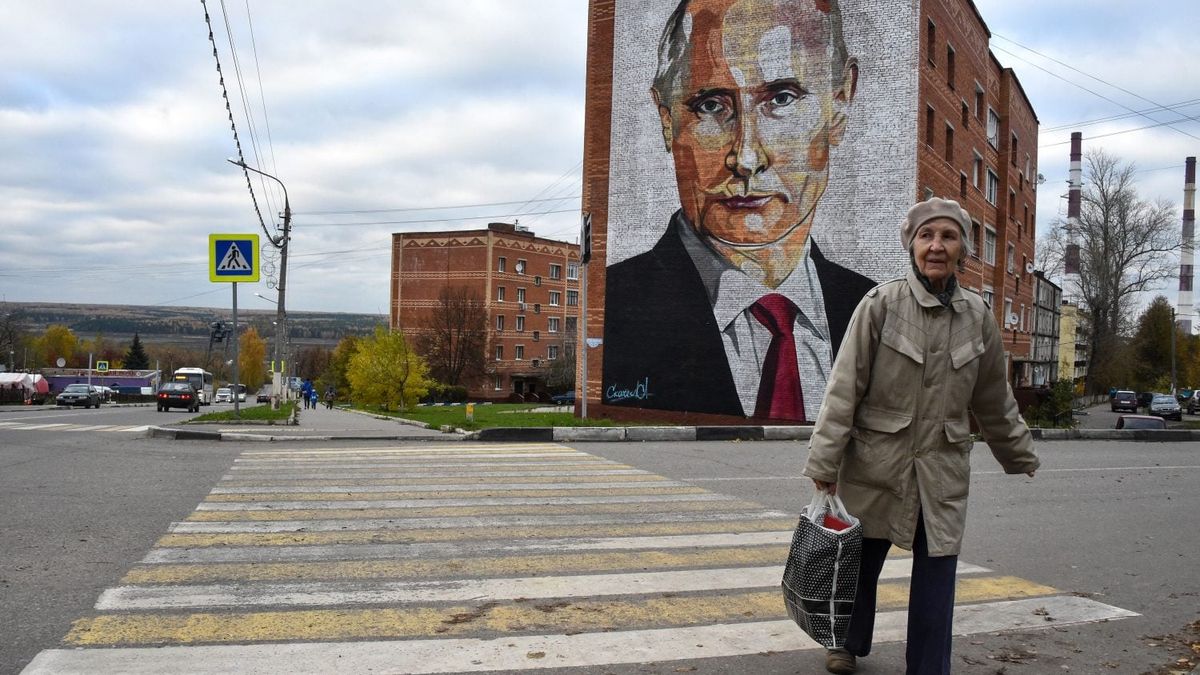
The notion of Russia as a great power has been a persistent theme in Western imagination for centuries. From Voltaire's idealized portrayal of Catherine the Great to modern-day enthusiasts like Candace Owens, the allure of Russia's mystique has captivated many. However, this romanticization has often been based on a flawed understanding of the country's reality.
Russia's rich cultural heritage, including its Orthodox Christianity and literary traditions, has long been a source of fascination for Westerners. This appeal is not entirely unfounded, as Russia has made significant contributions to the world of art, literature, and philosophy. However, this fascination often overlooks the chauvinist sentiments that underlie much of Russian culture.
Throughout history, Russian rulers have exploited the overactive imaginations of Westerners to promote their own interests. From Catherine the Great's subsidies to Voltaire to modern-day Kremlin manipulation, propaganda has played a significant role in shaping Western perceptions of Russia. This has led to a distorted view of the country's reality, with many overlooking its obvious signs of weakness, underdevelopment, and corruption.
The perpetuation of myths about Russia's power and influence has significant consequences. It can lead to a lack of critical thinking and a failure to acknowledge the country's true nature. This can result in misguided policies and a lack of preparedness for the challenges posed by Russia's actions.
The ongoing conflict in Ukraine is a prime example of the dangers of perpetuating myths about Russia's power and influence. Despite the country's significant military and economic challenges, many Westerners continue to view Russia as a great power. This has led to a lack of critical thinking and a failure to acknowledge the true nature of the conflict.
The Western myth of Russian greatness is a persistent theme in Western imagination. However, this romanticization has often been based on a flawed understanding of the country's reality. It is essential to acknowledge the dangers of perpetuating myths about Russia's power and influence and to approach the country with a critical and nuanced perspective.
To move forward, it is crucial to develop a more accurate understanding of Russia's reality. This requires a critical examination of the country's history, culture, and politics. It also requires a recognition of the dangers of propaganda and the importance of critical thinking. By doing so, we can develop more effective policies and a more nuanced understanding of the challenges posed by Russia's actions.
Context is crucial in understanding the complexities of the Russia-Ukraine conflict. The conflict is not simply a matter of good vs. evil, but rather a complex web of historical, cultural, and political factors. By considering the context of the conflict, we can develop a more nuanced understanding of the challenges posed by Russia's actions.
Diplomacy plays a crucial role in resolving conflicts and promoting peace. In the case of the Russia-Ukraine conflict, diplomacy has been hindered by the perpetuation of myths about Russia's power and influence. By developing a more accurate understanding of the country's reality, we can promote more effective diplomacy and a more peaceful resolution to the conflict.
It is essential to develop a more accurate understanding of Russia's reality and to approach the country with a critical and nuanced perspective. This requires a recognition of the dangers of propaganda and the importance of critical thinking. By doing so, we can develop more effective policies and a more nuanced understanding of the challenges posed by Russia's actions. It is time to move beyond the myths and to develop a more accurate understanding of the complexities of the Russia-Ukraine conflict.
Editor's Note: This analysis is based on a thorough examination of the historical context and current events surrounding the Russia-Ukraine conflict.
Source referenced: FOREIGNPOLICY
This brief was synthesized by our Editorial Engine and reviewed by The Ground Narrative team.