TRENDING

Sunday, 18 October 2026
----------------------
7 Jumada Al-Awwal 1448 AH
A convoy of European diplomats was attacked by Israeli settlers in the occupied West Bank, prompting strong condemnation from the EU and a spotlight on escalating violence during the olive harvest. This incident, alongside the severe injury of a US journalist, reveals the unchecked power dynamics at play and the human cost borne by ordinary Palestinians.
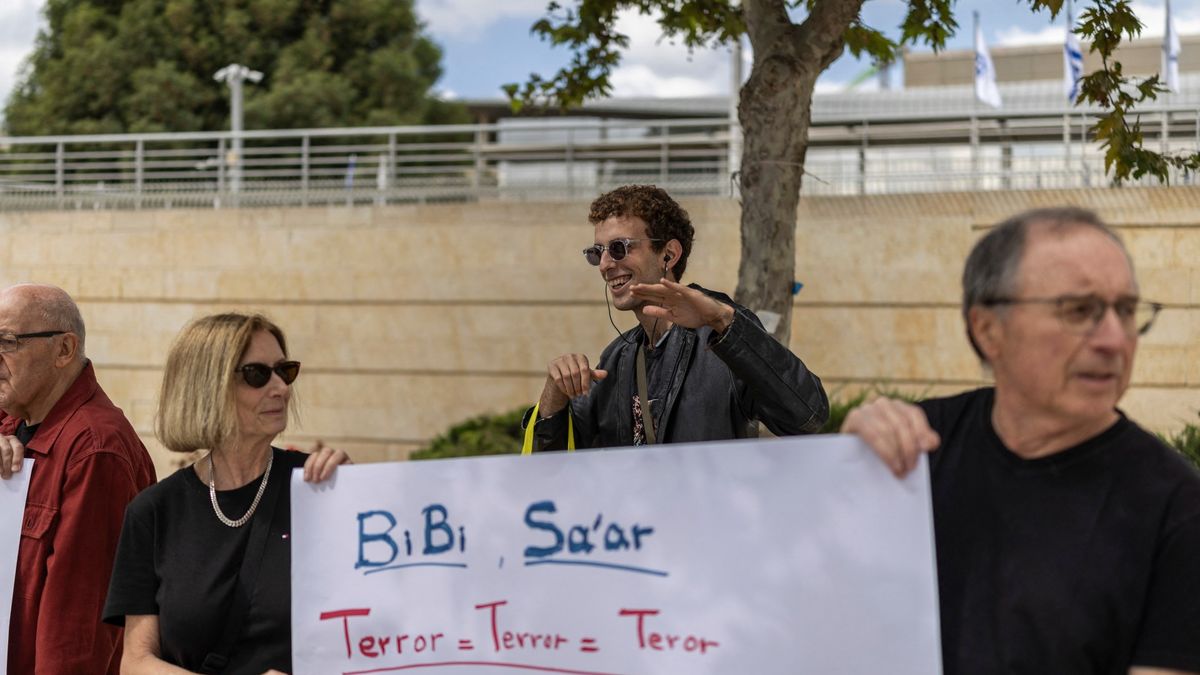
In a significant escalation of violence in the occupied West Bank, a convoy carrying European diplomats and representatives of the Catholic Church was attacked by masked Israeli settlers near the Palestinian village of Taybeh. The delegation, which included officials from France, Belgium, and Poland, was visiting to show solidarity with Palestinian olive growers during their harvest when they were threatened, and a Belgian diplomatic vehicle had a window smashed. A 78-year-old French official reported being physically assaulted. This incident followed another attack in the village of Abu Falah, where masked settlers severely injured US photojournalist Heidi Levine while she was covering the olive harvest, resulting in broken ribs and surgery. Both the European Union and the United States have condemned these attacks, calling for accountability and an end to settler violence.
The attacks on international observers and diplomats in the West Bank expose a complex web of power dynamics, where the actions of a minority of settlers can directly challenge international norms and state authority. At the core is the perceived impunity enjoyed by many settlers, who often operate with the tacit or explicit support of elements within the Israeli political system and security apparatus. Their actions, frequently violent, are not random but serve a clear strategic purpose: to assert control over Palestinian land, disrupt Palestinian livelihoods, and ultimately facilitate the expansion of Israeli presence in the occupied territories.
The Israeli government finds itself in a precarious balancing act. On one hand, it faces international condemnation from key allies like the EU and the US, who demand accountability and adherence to international law. On the other, the government, particularly under Prime Minister Benjamin Netanyahu, relies heavily on the political support of the settler movement and its allies. This domestic political calculus often leads to a response that attempts to mollify international concerns through condemnation while simultaneously downplaying the systemic nature of the violence or shifting blame. Foreign Minister Gideon Saar's condemnation of the
The diplomats were visiting the Palestinian village of Taybeh to show solidarity with Palestinian olive growers during their annual harvest, a critical economic and cultural event for local communities.
The olive harvest is vital for tens of thousands of Palestinian families, providing a significant portion of their annual income and representing a deep cultural connection to their land. It has become a flashpoint for settler violence aimed at disrupting Palestinian livelihoods.
The European Union strongly condemned the attack on its diplomats, calling for full accountability and an end to settler violence and settlement expansion. The United States also condemned the attacks, urging Israel to crack down on perpetrators and ensure protection for all civilians.
Editor's Note: Analysis is based on factual reporting and adheres to The Ground Narrative's editorial doctrine and structural requirements.
Source referenced: ALJAZEERA
This brief was synthesized by our Editorial Engine and reviewed by The Ground Narrative team.