TRENDING

Sunday, 18 October 2026
----------------------
7 Jumada Al-Awwal 1448 AH
Houthi drones and missiles are increasingly reaching deep into Saudi Arabia, disrupting civilian life and drawing calls for regional support. This escalation highlights the enduring and expanding reach of the Yemen conflict beyond its borders.
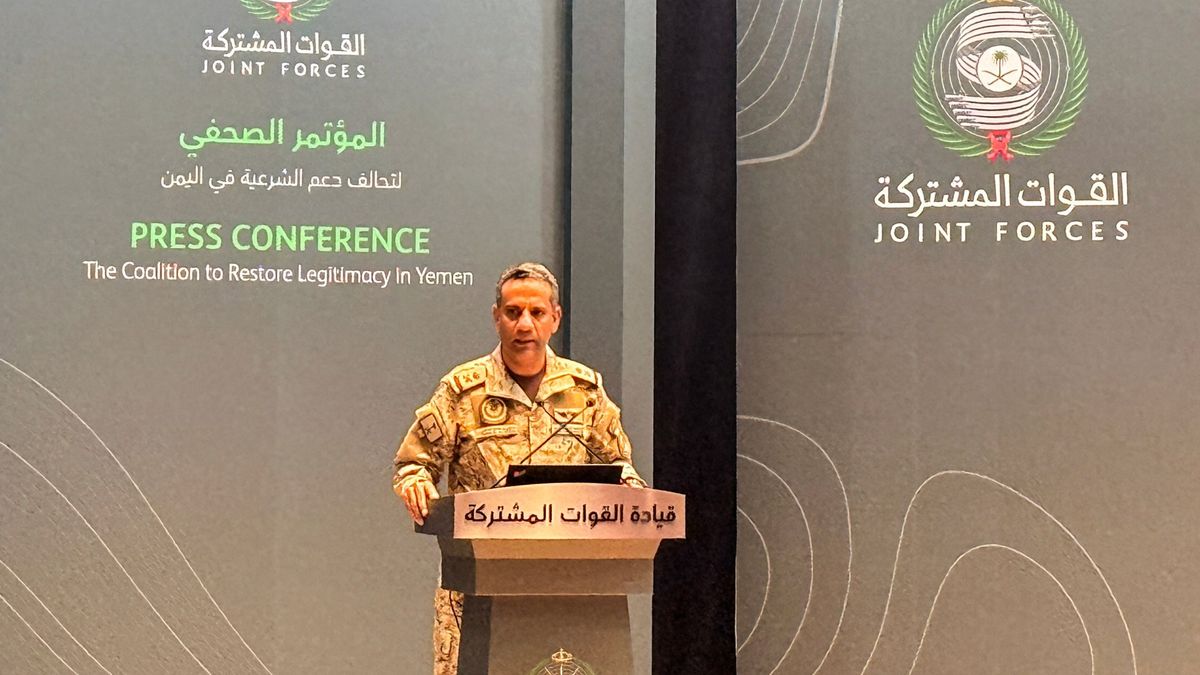
In a significant escalation of the protracted Yemen conflict, the Saudi-led coalition announced it intercepted and destroyed four drones over Riyadh, the Eastern Province, and the South of Saudi Arabia. This marks the latest in a series of sophisticated Houthi attacks targeting critical infrastructure, including Riyadh's King Khalid airport, which has been struck over 20 times since July, with one recent incident killing 13 people. Concurrently, missile strikes near the presidential palace in Aden, the seat of Yemen's internationally recognized government, claimed five lives, with the Houthis also accused of firing missiles at Aden airport. In response, Saudi Arabia is backing a counteroffensive, codenamed "Dawn of Yemen," and has conducted retaliatory air strikes on Houthi positions, including an oil facility in Sanaa.
The recent surge in Houthi attacks on Saudi Arabia and the subsequent regional responses reveal a complex web of strategic imperatives, survival instincts, and proxy maneuvers that define the Yemen conflict. For the Saudi-led coalition, the primary driver is the imperative to secure its borders and critical infrastructure, particularly oil facilities and airports, from increasingly sophisticated Houthi drone and missile capabilities. These attacks, reaching deep into the Saudi heartland, challenge the kingdom's image of invulnerability and its ability to protect its citizens and economy. The "Dawn of Yemen" counteroffensive is an attempt to regain military initiative and push Houthi forces back, thereby creating a buffer zone and reducing the threat to Saudi territory. This is fundamentally about national security and asserting regional dominance against what Riyadh perceives as Iranian-backed aggression.
The Houthis, on the other hand, employ these asymmetric attacks as a core component of their strategy. Lacking conventional air power or advanced weaponry, drones and ballistic missiles allow them to project power beyond Yemen's borders, inflict economic and psychological costs on Saudi Arabia, and demonstrate their resilience despite years of intense aerial bombardment and ground offensives. Their objective is to pressure the Saudi-led coalition to lift the blockade, end military operations, and recognize their de facto control over large parts of Yemen, including the capital Sanaa. By striking Riyadh, they aim to internationalize the conflict further and force a political resolution on their terms, or at least improve their bargaining position.
Egypt's declared willingness to "carry out any measure to protect" Saudi Arabia is a critical development, underscoring the deep-seated alliance and financial ties between Cairo and Riyadh. Egypt has historically received substantial financial aid from Saudi Arabia and the United Arab Emirates, making its economic stability intertwined with the Gulf monarchies. President el-Sisi's careful distinction between
Source referenced: ALJAZEERA
This brief was synthesized by our Editorial Engine and reviewed by The Ground Narrative team.