TRENDING

Saturday, 17 October 2026
----------------------
6 Jumada Al-Awwal 1448 AH
The US-Israel war on Iran has sent global energy prices soaring, pushing ordinary Filipinos to seek refuge in rooftop solar power. This surge in demand highlights the direct human cost of distant conflicts and the quest for energy independence.
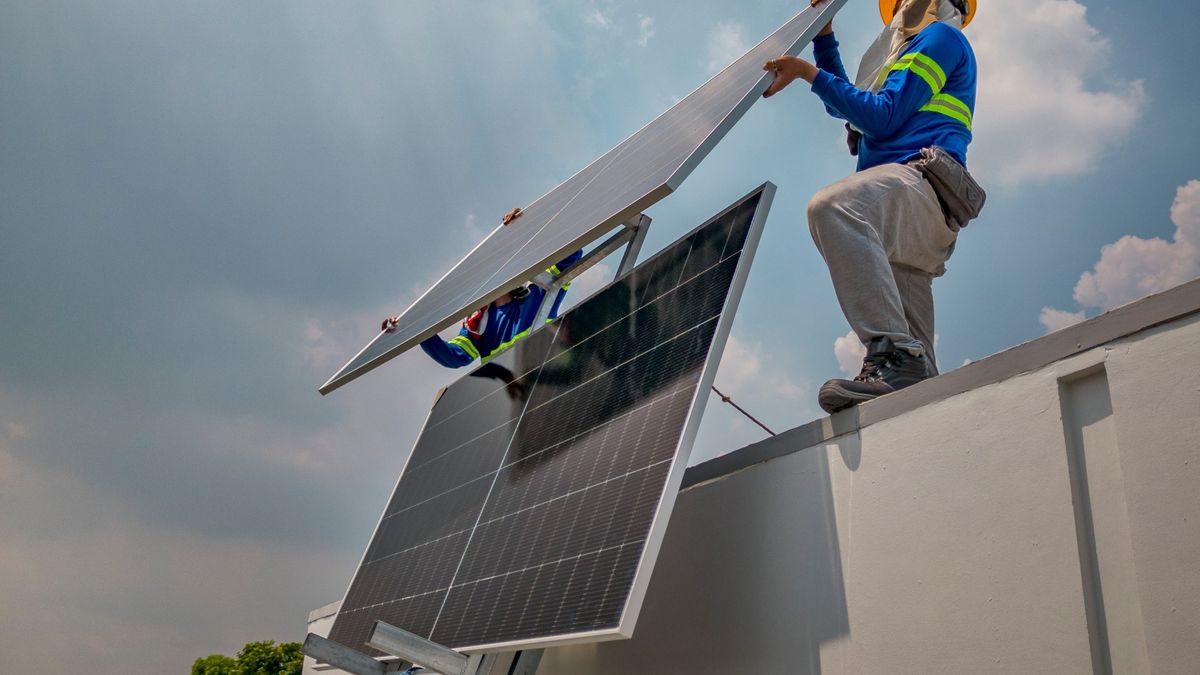
A quiet revolution is underway on the rooftops of the Philippines, driven by the distant thunder of war. As the US-Israel war on Iran escalated, global energy markets convulsed, sending the price of oil and gas spiraling upwards. For ordinary Filipino families, this translated directly into soaring electricity bills, with some seeing monthly costs jump by nearly 50 percent. In response, a remarkable solar power boom has taken hold across the archipelago. Homeowners, once hesitant about the upfront investment, are now rushing to install rooftop solar panels, viewing them not just as a green alternative but as a necessary shield against the unpredictable volatility of a world in conflict. This surge has made the Philippines a leading global importer of solar panels, highlighting a rapid, market-driven shift towards energy independence in the face of geopolitical instability.
The Philippines' energy vulnerability is a long-standing structural issue, now acutely exposed by global conflict. The nation relies on imported coal and gas for over 70 percent of its power mix, making it exceptionally susceptible to international price fluctuations. Unlike many of its Southeast Asian neighbors, the Philippines offers minimal electricity subsidies, meaning global price hikes are passed directly to consumers. This structural dependency on external fossil fuel markets is the primary mechanism through which the US-Israel war on Iran translates into domestic economic pain.
The conflict in the Middle East has disrupted critical shipping routes and injected profound uncertainty into global oil and gas supplies. This geopolitical leverage, wielded by major energy-producing nations and influenced by the actions of powerful military actors, dictates the cost of living for millions in energy-importing countries like the Philippines. Furthermore, the local currency, the peso, has slid to a record low against the US dollar, creating a double whammy: imported energy becomes more expensive, and the local purchasing power diminishes. This currency depreciation is not merely an economic statistic; it's a direct tax on every imported commodity, including the fuel that powers homes and businesses.
President Ferdinand Marcos Jr.'s declaration of a national energy emergency in March underscores the government's recognition of the crisis. However, the immediate solutions offered, such as loans for residential solar installations, are primarily targeted at public sector workers, leaving the majority of the population to navigate the market forces on their own. The government's long-term strategy focuses on massive renewable energy projects, like the proposed 3,500-hectare solar farm. While promising, these projects take years to materialize, creating a significant gap between urgent public need and systemic response. This reliance on future large-scale projects, rather than immediate, broad-based support for decentralized energy, highlights a common dilemma for governments: balancing long-term strategic goals with the immediate, visceral demands of a populace facing economic hardship.
For individual Filipinos, the shift to solar represents a powerful act of agency. It's a direct response to feeling
Source referenced: ALJAZEERA
This brief was synthesized by our Editorial Engine and reviewed by The Ground Narrative team.