TRENDING

Monday, 19 October 2026
----------------------
8 Jumada Al-Awwal 1448 AH
Delhi's streets have erupted as young activists challenge a massive voter‑list purge and a wave of arrests targeting journalists. The crackdown reveals how power, politics and fear intersect in modern India.
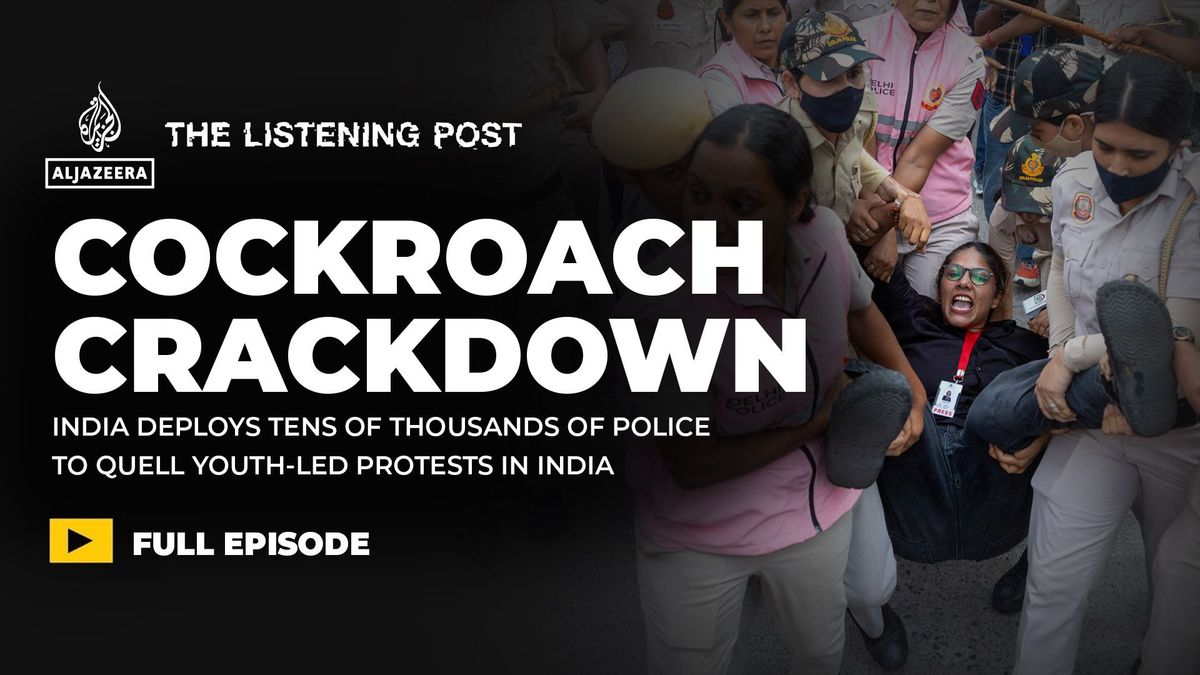
A wave of youth‑led protests surged through Delhi after reports that the Election Commission removed roughly 130 million names from voter rolls. Simultaneously, dozens of journalists, content creators and social‑media influencers were detained, assaulted or barred from reporting, signaling an intensified crackdown on dissent.
The current episode sits at the intersection of three structural forces shaping India's political landscape.
The removal of millions of names—many from marginalized communities—serves a dual purpose. First, it streamlines the electorate in a way that can favor the ruling party in upcoming state and national elections. Second, it creates a bureaucratic pretext for questioning the legitimacy of any opposition turnout, allowing the government to claim procedural integrity while marginalising dissenting voices.
The arrests of journalists are not random; they are part of a broader strategy to limit real‑time scrutiny. By targeting reporters covering the voter‑list scandal, the state reduces the risk of a narrative that could fuel larger anti‑government mobilisations. The message is clear: critical reporting will be met with legal and extralegal pressure, reinforcing a climate of self‑censorship.
Young activists, many of whom have grown up with smartphones and social platforms, represent a new political constituency that the ruling elite struggles to co‑opt. Their ability to organise flash protests, livestream police actions, and circulate evidence of voter‑list deletions bypasses traditional party structures, threatening the top‑down control the Prime Minister Narendra Modi administration relies upon.
The fallout extends far beyond headlines, touching everyday lives across the subcontinent.
Millions risk being disenfranchised, especially in rural districts where alternative identification mechanisms are scarce. For agrarian families, a missing voter ID can mean loss of access to welfare schemes tied to electoral registration, deepening poverty cycles.
Reporters face physical intimidation, prolonged detention without charge, and the looming threat of criminal defamation suits. Their families endure financial strain and social stigma, while the broader media ecosystem suffers a chilling effect that curtails investigative work.
College students and community organizers are frequently arrested under vague public‑order statutes. Many lose scholarships or face employment bans, and their families confront police harassment, creating a climate of fear that reverberates through entire neighbourhoods.
Official narratives focus on "maintaining law and order" and "preventing electoral fraud," but several layers remain obscured.
Behind the voter‑list purge lies a partnership with private data aggregators that provide demographic analytics to the Election Commission. These firms profit from the cleaning of rolls, yet their involvement is rarely disclosed, masking a lucrative market for political data.
Western governments have issued generic statements about "respect for democratic processes" without directly addressing the mass arrests. This diplomatic reticence reflects a broader calculation: maintaining strategic ties with India outweighs confronting its internal repression.
Several major advertising conglomerates have shifted ad spend to state‑aligned media outlets, rewarding platforms that toe the government line. This commercial realignment reduces the financial viability of independent newsrooms, effectively weaponising market forces against dissent.
The coming weeks will reveal whether the youth movement can sustain momentum or be absorbed into the state’s coercive apparatus.
- Legal challenges: Watch for court filings contesting the voter‑list deletions; a landmark ruling could set a precedent for electoral transparency.
- Digital surveillance: Increased use of facial‑recognition and AI‑driven monitoring tools on social media platforms may signal a new phase of pre‑emptive repression.
- International response: Any shift from diplomatic platitudes to concrete actions—such as targeted sanctions on officials overseeing the crackdown—could alter the cost‑benefit calculus for the government.
- Election calendar: As state and national elections approach, the intensity of both protest activity and state repression is likely to rise, making the voter‑list issue a pivotal battleground for India's democratic future.
The Election Commission said it was a data‑cleaning exercise to remove duplicate or outdated entries, but critics argue it targets opposition strongholds and marginalised groups ahead of elections.
Reporters covering the voter‑list scandal face arrests, physical assaults and legal harassment, leading to a broader climate of self‑censorship across the media landscape.
Citizens can amplify verified information on secure platforms, support independent news outlets financially, and engage in legal challenges that demand transparency from the Election Commission.
Editor's Note: Analysis based on publicly available reports and expert commentary; on‑the‑ground developments may evolve rapidly.
Source referenced: ALJAZEERA
This brief was synthesized by our Editorial Engine and reviewed by The Ground Narrative team.