TRENDING

Monday, 5 October 2026
----------------------
24 Rabi' Al-Thani 1448 AH
Portugal has declared a nationwide state of alert due to extreme heat and elevated wildfire risk, underscoring the escalating climate challenges facing Southern Europe. The crisis also saw record electricity consumption, stressing energy infrastructure.
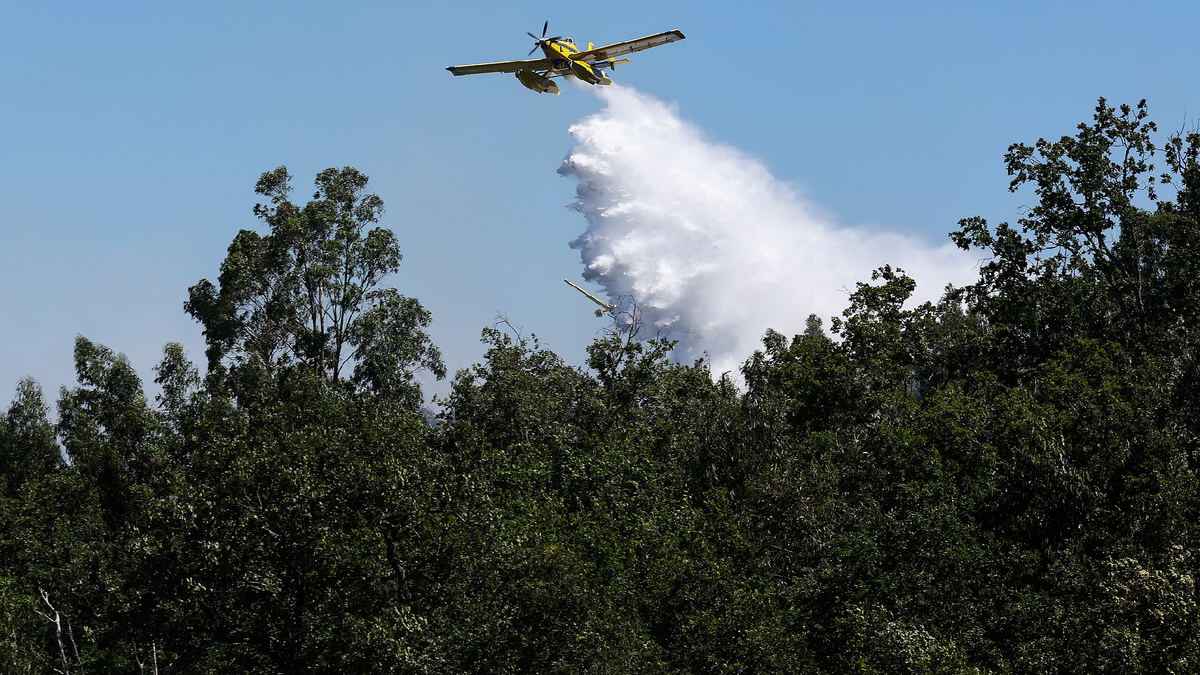
Portugal has declared a nationwide state of alert, effective from Friday, July 3, 2026, in response to an anticipated prolonged period of extreme heat expected to last until at least Monday, July 6, 2026. This critical measure, announced by Interior Minister Luis Neves following a meeting of the Integrated Prevention and Operations Command (CIPO), underscores the escalating challenges posed by climate change, particularly in Southern Europe. The declaration triggers exceptional emergency measures aimed at mitigating the severe risk of wildfires across the mainland, where temperatures have already reached 40 degrees Celsius in areas like Lisbon.
The Portuguese Institute of the Sea and Atmosphere (IPMA) has placed 12 of the country's 18 mainland districts under a red alert, the highest warning level, from Thursday until at least Saturday. The remaining six districts are also under elevated warning levels, indicating that virtually the entire mainland faces maximum or very high wildfire risk. This widespread threat has necessitated immediate and stringent government intervention. Under the emergency legislation, specific prohibitions have been enacted, including the cessation of all non-essential work involving machinery in forest areas, a ban on brush-cutting equipment with metal blades or discs in other rural areas, and a complete prohibition on setting off fireworks. These measures are designed to drastically reduce potential ignition sources and prevent the rapid spread of fires, which have historically devastated Portuguese landscapes and communities.
The recurring and intensifying heatwaves in Portugal are not isolated incidents but rather a stark manifestation of broader global climate patterns. Southern Europe, particularly the Iberian Peninsula, is identified as a hotspot for climate change impacts, experiencing more frequent, longer, and hotter heatwaves, alongside increased drought conditions. This environmental shift has profound geopolitical and economic implications. From a geopolitical standpoint, the need for robust national disaster response capabilities becomes paramount, potentially straining public resources and requiring international cooperation for firefighting assets and expertise. The economic toll of wildfires can be immense, affecting agriculture, forestry, tourism, and infrastructure, thereby impacting national GDP and regional stability. The destruction of natural capital also has long-term ecological consequences.
Furthermore, the extreme heat has placed unprecedented demands on Portugal's energy infrastructure. National grid operator REN reported a record electricity consumption of 27,200 gigawatt-hours (GWh) in the first half of 2026, a 3.5% increase from the previous year. This surge, primarily driven by increased cooling demands during heatwaves, highlights the critical link between climate change and energy security. While Portugal's energy mix saw 71% of its electricity consumption met by renewable sources during this period, demonstrating progress in its energy transition, the record demand underscores the vulnerability of even advanced grids to climate-induced stress. Ensuring grid stability and sufficient supply during peak demand periods, especially as extreme weather events become more common, presents a significant challenge for national energy policy and infrastructure investment.
The Portuguese government's proactive declaration of a state of alert and the implementation of emergency measures reflect a growing recognition of the need for robust climate adaptation strategies. This involves not only immediate crisis management but also long-term planning for resilient infrastructure, sustainable land management practices, and public awareness campaigns. The experience in Portugal mirrors challenges faced by other Mediterranean countries, fostering a potential for increased regional collaboration within the European Union on climate resilience, early warning systems, and shared resources for disaster response.
The current crisis in Portugal serves as a potent reminder of the multifaceted impacts of climate change on national security, public health, economic stability, and energy systems. How nations like Portugal adapt their governance, infrastructure, and societal behaviors in response to these evolving environmental realities will be a defining challenge of the coming decades. The immediate focus remains on protecting lives and property from the imminent wildfire threat, but the underlying imperative is to build a more resilient society capable of navigating a future shaped by a warming climate.
Source referenced: CGTN
This brief was synthesized by our Editorial Engine and reviewed by The Ground Narrative team.