TRENDING

Monday, 5 October 2026
----------------------
24 Rabi' Al-Thani 1448 AH
Five years after seizing power, the Taliban celebrates a 'free' Afghanistan, but beneath the surface, sweeping restrictions on women, economic hardship, and international isolation define daily life for millions.
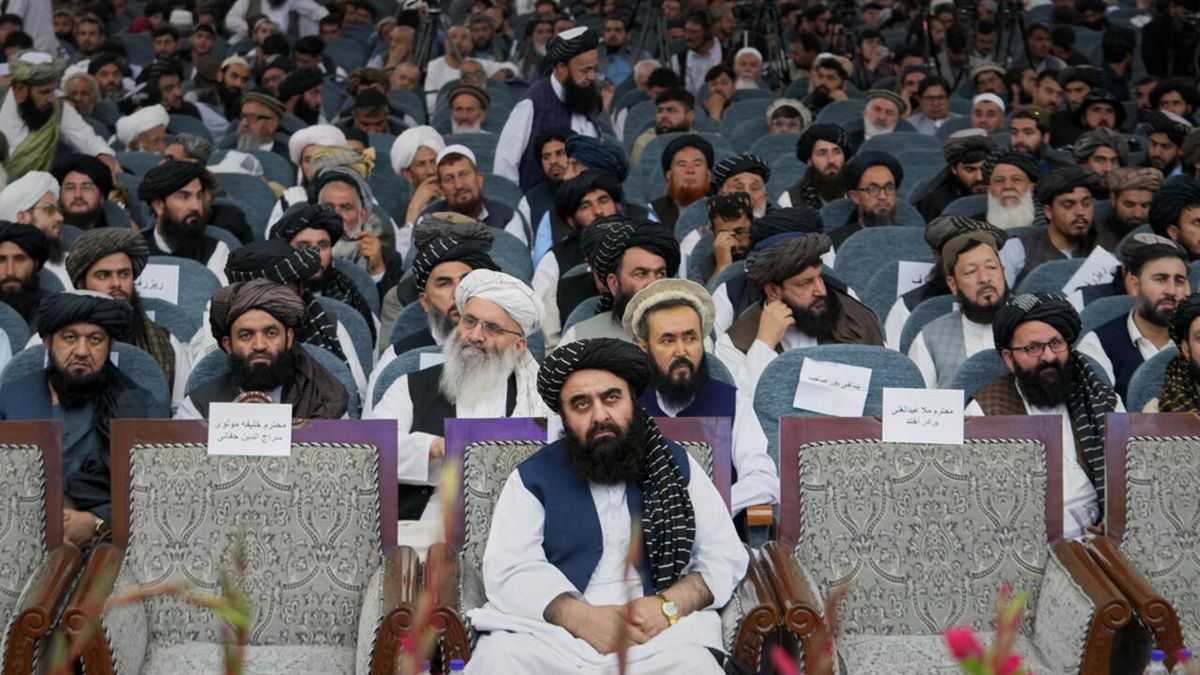
Five years after their swift return to power, the Taliban authorities are marking the anniversary of the US withdrawal and their takeover of Kabul. Official celebrations feature military convoys, sports events for men, and new murals proclaiming 'Independence is a sign of dignity, pride and identity.' This narrative of security and freedom, however, stands in stark contrast to the lived reality for most Afghans, who face intensifying restrictions, particularly for women and girls, alongside severe economic distress and persistent international isolation.
The Taliban's power rests on a dual foundation: the imposition of order through force and a strict interpretation of Islamic law, coupled with a strategic indifference to international norms. Domestically, they tout improved security and infrastructure projects, appealing to a population weary of decades of conflict. This internal narrative of stability is crucial for their survival, even as it comes at the cost of fundamental freedoms. Externally, the Taliban seeks recognition and aid, but refuses to compromise on its core ideological tenets, especially regarding women's rights, which it frames as internal religious matters. This creates a persistent standoff with the international community, which largely conditions recognition on human rights improvements. While some countries engage pragmatically, the lack of widespread formal recognition limits Afghanistan's access to global financial systems and development aid, forcing the Taliban to navigate a precarious economic landscape exacerbated by the recent return of millions of Afghans from neighboring countries. The brief war with Pakistan further complicates regional stability and humanitarian efforts.
The human cost of the past five years is borne disproportionately by Afghan women and girls. They are living under the world's most severe restrictions, banned from education beyond primary school, excluded from most jobs, and barred from public spaces like parks. This systematic dismantling of rights is not merely an inconvenience; it is a profound suffocation of agency and future, described by one young woman as feeling 'like a 500-year-old woman, one who cannot die.' Beyond women, the youth face a crushing lack of job opportunities, with declining GDP per capita and a struggling economy. The promise of security rings hollow when basic livelihoods are unattainable. Journalists and civil society activists also pay a heavy price, enduring brutal repression, surveillance, detention, and forced exile, silencing critical voices and further narrowing the public sphere. The influx of over six million Afghans from Iran and Pakistan further strains an already fragile economy, impacting the most vulnerable communities.
What the Taliban downplays or omits in their celebratory statements is the systemic economic self-sabotage inherent in their policies. While they speak of laying the 'foundations of the economy,' the exclusion of half the population from education and the workforce represents a catastrophic loss of human capital and productive potential. No modern economy can thrive by deliberately sidelining half its talent pool. The international community, while condemning the restrictions, also grapples with a complex reality. The quiet, pragmatic engagements by some nations — such as European countries hosting migration talks — implicitly acknowledge the Taliban's de facto control, creating a diplomatic grey area. This selective engagement allows the Taliban to claim some level of international interaction without being compelled to alter their core policies, effectively giving them a degree of leverage to maintain their restrictive rule while still receiving some humanitarian lifelines. The long-term implications of this selective engagement for global human rights advocacy are rarely articulated.
Moving forward, observers should closely watch the Taliban's internal cohesion. Can their strict ideological stance withstand sustained economic pressure and potential dissent from a younger generation yearning for opportunity and connection to the wider world? The balance between their hardline factions and any more pragmatic elements will be critical. Furthermore, the nature of international engagement will continue to evolve: will the current state of isolation persist, or will a more robust, albeit conditional, engagement emerge, potentially offering incentives for policy shifts? The regional dynamics, particularly relations with Pakistan and other neighbors, will also be a key indicator of Afghanistan's stability and its ability to manage humanitarian crises. Above all, the fate of women's rights and education will remain the most poignant barometer of any genuine change within Afghanistan, serving as a stark reminder of who truly holds power and who bears its heaviest burden.
Source referenced: FRANCE24
This brief was synthesized by our Editorial Engine and reviewed by The Ground Narrative team.