TRENDING

Monday, 5 October 2026
----------------------
24 Rabi' Al-Thani 1448 AH
New York City Mayor Zohran Mamdani's decision to speak Mandarin in a video promoting free Broadway tickets has sparked both praise and skepticism, revealing the complex power dynamics at play in the city's cultural and linguistic landscape. As Mamdani navigates the city's diverse communities, his language skills have become a symbol of his commitment to inclusivity and cultural competence.
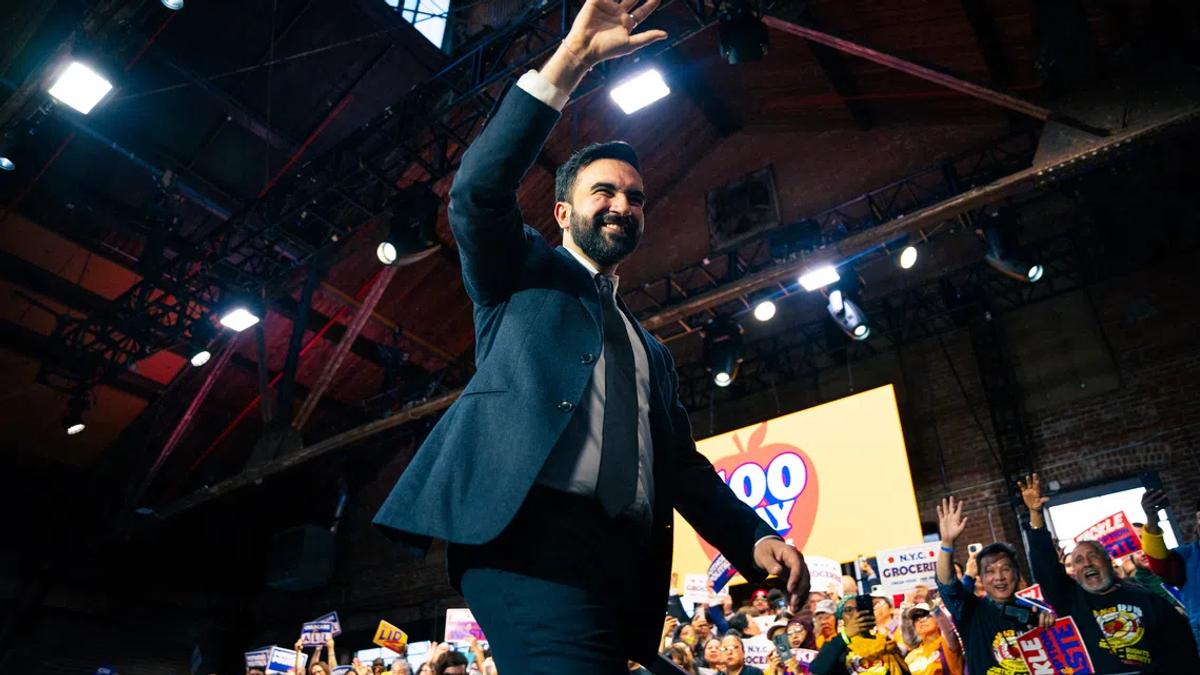
New York City Mayor Zohran Mamdani recently released a video promoting free Broadway tickets for high school students, in which he spoke Mandarin, impressing viewers with his pronunciation and tones. The video was also made in English, Spanish, and Bangla, highlighting Mamdani's efforts to connect with the city's diverse communities.
Mamdani's decision to speak Mandarin is a strategic move to build bridges with the city's Chinese-American community, which is a significant demographic in New York City. By showcasing his language skills, Mamdani is demonstrating his commitment to cultural competence and inclusivity, which can help to build trust and credibility with the community. However, the skepticism surrounding his Spanish language skills, with some questioning their authenticity, reveals the complex power dynamics at play. The fact that State Assembly member Jake Blumencranz commissioned an independent analysis to determine if Mamdani's Spanish was AI-generated highlights the tensions between different political factions in the city.
The controversy surrounding Mamdani's language skills has sparked a wider debate about the importance of cultural competence and language skills in public office. For the high school students who will benefit from the free Broadway tickets, Mamdani's efforts to connect with them in their native languages can have a profound impact on their sense of belonging and inclusion. However, the skepticism and criticism surrounding his language skills can also perpetuate negative stereotypes and reinforce existing power dynamics.
What is being downplayed in the coverage of Mamdani's Mandarin moment is the broader context of language politics in New York City. The city's linguistic diversity is a significant aspect of its cultural identity, and the ability to speak multiple languages is a valuable skill in the city's cosmopolitan environment. However, the fact that Mamdani's language skills are being scrutinized and questioned reveals the underlying tensions and power struggles between different linguistic and cultural groups. The fact that Mamdani released a blooper reel of himself trying to get the lines right in Spanish also highlights the human side of language learning and the challenges of communicating across cultural boundaries.
As Mamdani continues to navigate the complex linguistic and cultural landscape of New York City, it will be important to watch how his language skills are received by different communities. Will his efforts to connect with the city's diverse populations be seen as genuine and effective, or will they be viewed as superficial and opportunistic? The outcome will depend on a range of factors, including the city's demographic shifts, the evolving nature of language politics, and the ability of public officials to build trust and credibility with different communities.
Editor's Note: The analysis is based on publicly available information and may not reflect the full complexity of the situation.
Source referenced: STRAITSTIMES
This brief was synthesized by our Editorial Engine and reviewed by The Ground Narrative team.


