TRENDING

Friday, 2 October 2026
----------------------
21 Rabi' Al-Thani 1448 AH
As Hurricane Lala downgrades and moves west, Hawaii's Big Island begins recovery efforts, but the true extent of the damage and the looming threat of El Nino pose significant concerns for the state's residents and the world at large. The powerful El Nino event forecasted to peak between October and December may exacerbate hurricane activity in the Pacific, putting millions at risk.
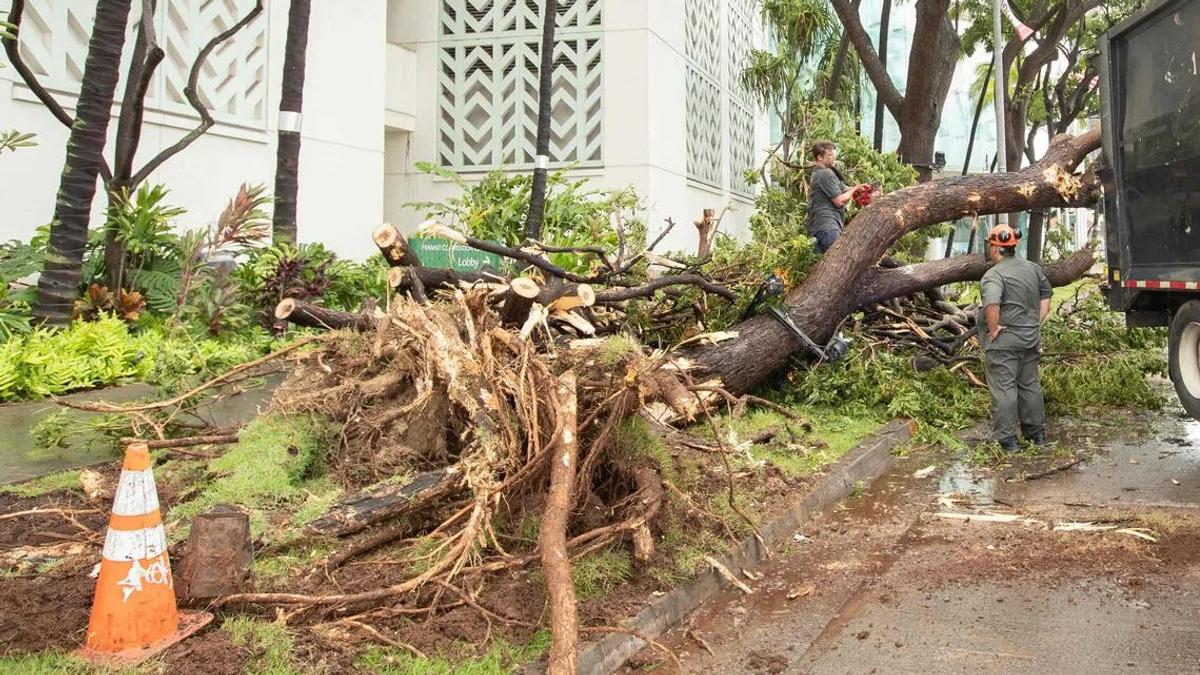
Hurricane Lala, which had strengthened into a Category 1 hurricane, was downgraded to a tropical storm as it rolled past Hawaii's Big Island, bringing heavy rain and flood risks to the state's archipelago. The storm's impact is still being assessed, with officials investigating potential storm-related deaths and warning of dangers in the aftermath, such as casualties from cleanup efforts and heavy equipment use.
The underlying factor in the increased frequency and intensity of hurricanes like Lala is climate change. A powerful El Nino event has formed in the central equatorial Pacific Ocean, with a 69% chance of becoming a historic event that would exceed the strength of previous El Nino events dating back to 1950. This natural climate pattern, amplified by human-caused climate change, tends to promote hurricane activity in the Pacific while suppressing it in the Atlantic. The interplay between these climate phenomena and the geopolitical implications of increased disaster risk pose significant challenges for Hawaii, the United States, and the global community.
The people of Hawaii, particularly those on the Big Island, bear the immediate human cost of Hurricane Lala. Beyond the potential for storm-related deaths, the economic impact of the storm, including damage to infrastructure and agriculture, will be felt by residents and businesses alike. Moreover, the looming threat of El Nino and its potential to exacerbate hurricane activity in the Pacific puts millions at risk, not just in Hawaii but across the region. The houseless population, already vulnerable, is at an increased risk during such events, highlighting the need for inclusive disaster preparedness and response strategies.
What is being downplayed or omitted in the discussion around Hurricane Lala and the impending El Nino event is the long-term strategic implications for global food security, economic stability, and geopolitical dynamics. The amplification of El Nino's impacts by climate change can lead to extreme weather events such as heatwaves and heavy rainfall, affecting not just Hawaii but also other Pacific island nations and beyond. This has significant implications for global governance, international cooperation, and the redefinition of national security in the face of climate change.
As the situation unfolds, readers should watch for updates on the recovery efforts in Hawaii, the progression of the El Nino event, and its impacts on hurricane activity in the Pacific. Moreover, the global community should be vigilant about the strategic and geopolitical implications of these climate-related events, including potential shifts in global food markets, economic instability, and security challenges. The response to Hurricane Lala and the preparation for the El Nino event will be a critical test of global resilience and cooperation in the face of climate change.
Editor's Note: The analysis is based on current climate patterns and historical data, but the exact trajectory and impact of El Nino and subsequent hurricanes may vary due to the inherent unpredictability of weather systems.
Source referenced: STRAITSTIMES
This brief was synthesized by our Editorial Engine and reviewed by The Ground Narrative team.


