TRENDING

Tuesday, 6 October 2026
----------------------
25 Rabi' Al-Thani 1448 AH
A Miami federal judge tossed the case against Jamaican‑born Chelsea Cox, ruling that Congress cannot set voter qualifications. The decision spotlights the clash between immigration enforcement and electoral politics as the 2026 midterms loom.
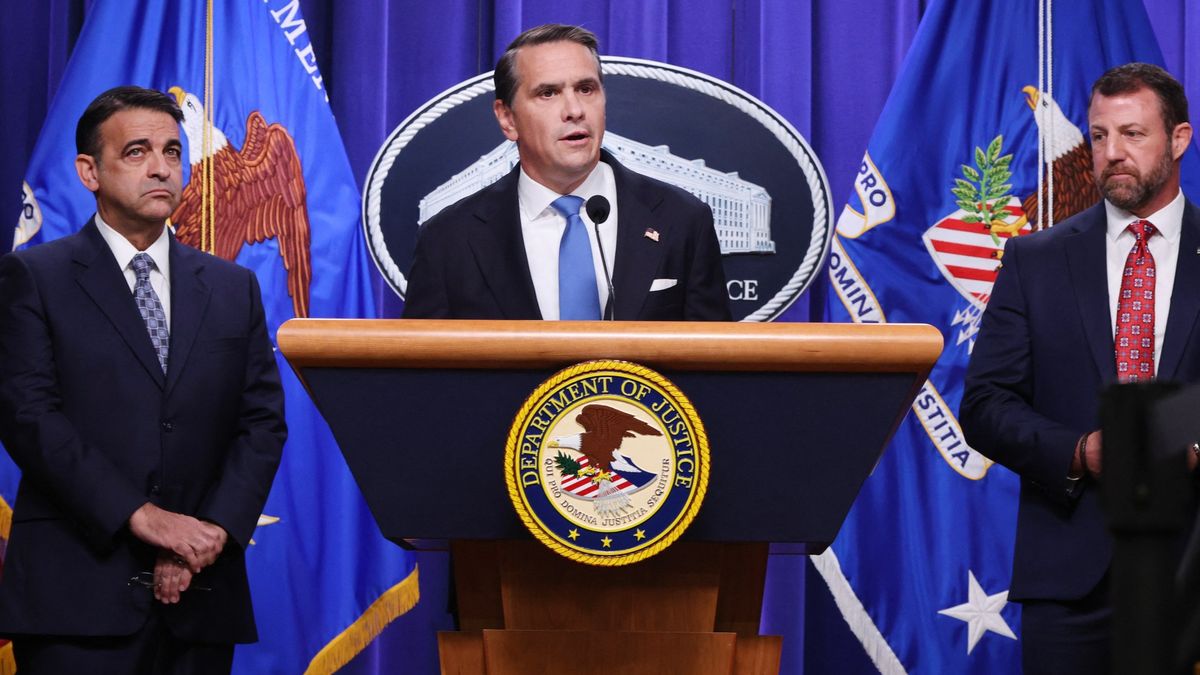
A U.S. District Court in Miami, presided over by David Leibowitz, dismissed the criminal case against Chelsea Cox, a Florida resident originally from Jamaica, who had been charged with illegally voting in the 2020 presidential election. The judge held that the Constitution reserves the power to define voter qualifications to the states, not to Congress, rendering the federal noncitizen voting statute unconstitutional as applied to Cox. While the ruling is limited to her case, it signals a potential shift for roughly 45 similar prosecutions pending across the country. Cox’s alleged fraud involved overstaying a tourist visa, obtaining a falsified birth certificate from the U.S. Virgin Islands, and using that document to secure a Florida driver’s licence and voter registration in 2012. Her attorney, Bruce Udolf, welcomed the decision and urged authorities not to pursue deportation, citing her deteriorating health.
The case sits at the intersection of Donald Trump’s post‑2025 election agenda and a broader federal push to police the ballot box. Since taking office in January 2025, the Department of Justice has charged more than 60 individuals under the noncitizen voting provision, framing the effort as a safeguard against alleged fraud that Trump repeatedly claimed cost him the 2020 election. Politically, the crackdown serves two purposes: it energizes a base that believes the electoral system is rigged, and it provides a tangible narrative for a president seeking to cement his legacy before the 2026 midterms. At the same time, Florida—a pivotal swing state—has its own statutes criminalizing noncitizen voting, allowing state officials to pursue cases without federal involvement. This dual‑track enforcement creates a feedback loop: federal prosecutions amplify state‑level vigilance, while state successes reinforce the narrative that the nation is under siege by illegal voters. The power dynamics are thus less about actual fraud and more about sustaining a political economy where voter‑integrity rhetoric fuels fundraising, media coverage, and legislative proposals.
While the headlines focus on legal technicalities, the real victims are everyday people caught in a widening net of immigration and election enforcement. Immigrant communities in Florida and elsewhere have reported heightened fear of interacting with election clerks, fearing that a simple mistake could trigger criminal charges. Many of the 129 people charged since 2021 were lawful permanent residents who registered based on erroneous advice from clerks or misinterpreted forms, not on any intent to subvert the election. Cox’s own situation underscores the personal toll: after years of living in the U.S. without legal status, she now faces potential deportation and the loss of her limited health benefits, despite having no proven influence on any election outcome. Local businesses that rely on immigrant labor also feel indirect pressure, as heightened scrutiny can deter workers from participating in civic life, eroding community cohesion. Moreover, the broader climate of suspicion strains relationships between law‑enforcement agencies and the populations they are meant to serve, leading to under‑reporting of crimes and reduced cooperation in public‑safety initiatives.
Official statements from the Biden administration emphasize that the ruling is narrow and does not set a nationwide precedent, yet they also avoid confronting the underlying policy ambition: to centralize control over voter eligibility at the federal level. By framing the decision as a procedural matter, the administration downplays the strategic intent to expand federal jurisdiction over elections—a move that would reshape the balance of power between Congress and the state governments. Additionally, the Department of Justice has not disclosed how many of the pending cases will be dropped or refiled, leaving a cloud of uncertainty that benefits political operatives who thrive on ambiguity. Media coverage often omits the fact that the noncitizen voting provision was rarely enforced before Trump’s return to office, suggesting that the surge in prosecutions is more about political signaling than addressing a systemic problem. This omission obscures the reality that the law’s original purpose—preventing foreign interference—has been stretched to serve domestic partisan goals.
The coming months will test whether the Miami ruling sparks a cascade of similar decisions or remains an isolated judicial footnote. Watch for appeals filed by the Department of Justice in the remaining 45 cases; a reversal could reinforce the federal statute, while further dismissals would embolden states to take the lead. The midterm elections in 2026 will likely become a testing ground for new enforcement tactics, as both parties gauge voter sentiment on election‑integrity rhetoric. Keep an eye on legislative activity in Congress, where bills aimed at codifying federal voter‑qualification standards are expected to surface, potentially prompting a constitutional showdown. Finally, monitor community organizations that provide voter‑registration assistance; any shift in their ability to operate could signal how deeply the enforcement push is affecting civic participation at the grassroots level.
The ruling declares that Congress cannot set voter qualifications, so the federal statute cannot be used to prosecute noncitizen voting unless a state enacts its own law. It does not automatically invalidate the law nationwide, but it limits its application in cases like Cox’s.
If the decision is upheld, federal prosecutors may scale back or drop many pending cases, reducing the political pressure on immigrant voters. Conversely, if appealed successfully, the government could resume aggressive enforcement, using election‑integrity rhetoric to mobilize voters.
Source referenced: ALJAZEERA
This brief was synthesized by our Editorial Engine and reviewed by The Ground Narrative team.