TRENDING

Tuesday, 6 October 2026
----------------------
25 Rabi' Al-Thani 1448 AH
The EU is weighing a 301‑style measure against China, a move Beijing calls protectionist. The clash threatens supply chains, small businesses, and the WTO framework.
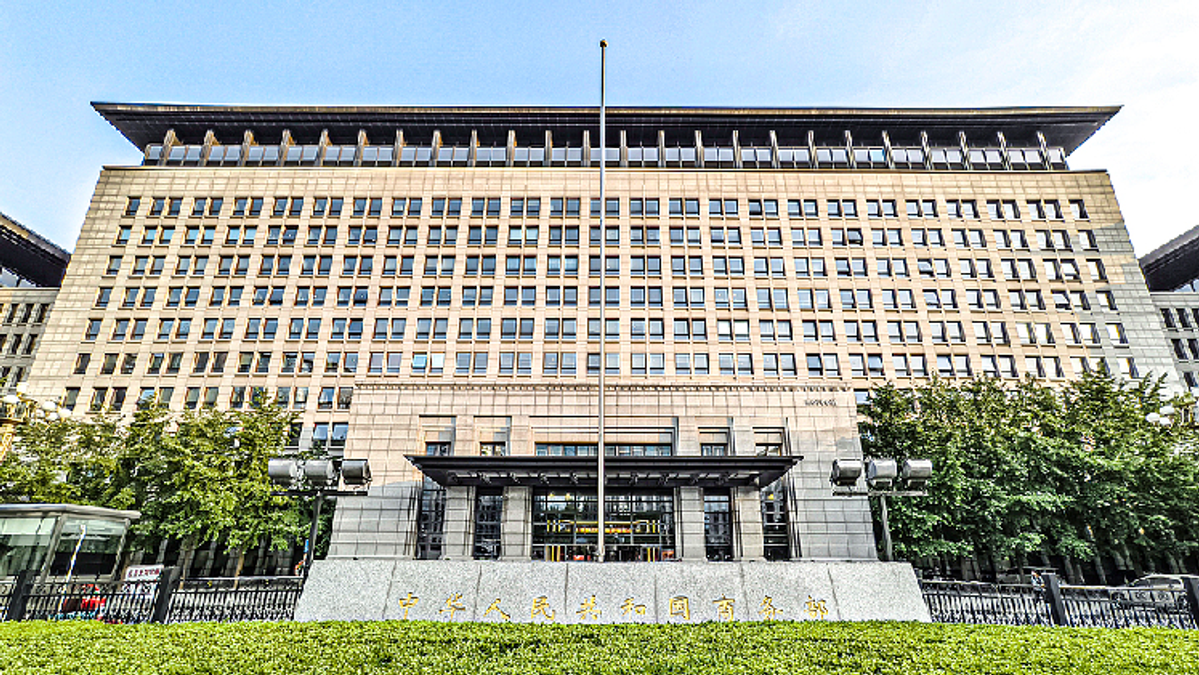
A report surfaced that several European Union member states are drafting a joint document urging the European Commission to fast‑track a so‑called "301" tool, modeled after the United States' trade‑remedy mechanism. The proposal would give Brussels the legal footing to impose swift, punitive measures on Chinese imports deemed unfair. Beijing’s Ministry of Commerce dismissed the idea as classic protectionism, warning that such unilateral action could backfire and destabilise global supply chains.
The push for a 301‑style instrument reflects a confluence of domestic politics, strategic rivalry, and economic self‑interest. In many EU capitals, right‑leaning governments face electoral pressure to appear tough on China, especially after high‑profile incidents involving technology transfers and alleged subsidies. By framing the tool as a defence of World Trade Organization rules, they aim to legitise what is essentially a unilateral lever.
At the same time, the EU’s internal market is fragmented. Larger economies such as Germany and France benefit from cheap Chinese components, while smaller states worry about losing bargaining power in negotiations with Beijing. The proposed tool would allow the Commission to bypass the lengthy WTO dispute process, granting it the ability to impose tariffs or export restrictions within months.
From Beijing’s perspective, the threat is two‑fold. First, a punitive measure would hit Chinese industries that rely on European downstream markets for high‑value products like automotive parts and aerospace components. Second, it would set a precedent for other blocs—perhaps the United States or Japan—to adopt similar mechanisms, eroding the multilateral trading system that underpins China’s export‑led growth model.
The ripple effects of a 301‑type sanction would be felt far beyond boardrooms. In German factories, manufacturers that depend on Chinese steel and electronic sub‑assemblies would confront sudden cost spikes, forcing them to either raise prices for consumers or cut back production and jobs. Small‑scale exporters in Italy’s textile sector, already squeezed by rising energy prices, could see their margins evaporate if Chinese raw material costs surge.
Beyond Europe, the impact would travel down the supply chain to African textile workers who assemble garments for European brands using Chinese‑sourced fabrics. Higher input costs could translate into order cancellations, leaving thousands of workers without wages. In the United States, consumers might see the price of everyday electronics inch upward as companies pass on the expense of finding alternative suppliers.
The broader societal cost includes heightened economic uncertainty, which can depress investment in regions already grappling with sluggish growth. Communities that depend on export‑oriented jobs may experience a rise in unemployment, putting pressure on social safety nets and public services.
Official EU statements stress a commitment to multilateralism and a rules‑based order. Yet the draft 301 tool reveals a willingness to sidestep those very principles when national interests clash with collective goals. The Commission’s silence on the exact criteria for triggering sanctions suggests a strategic ambiguity designed to keep Chinese negotiators off‑balance.
While Beijing publicly condemns the move as protectionist, it is simultaneously courting other partners—such as the Beijing‑backed Belt and Road Initiative—to diversify its export markets. The Chinese government is also quietly bolstering domestic subsidies for affected sectors, a maneuver that would soften the blow at home while signalling resolve to foreign capitals.
Major European conglomerates, especially those with deep supply‑chain ties to China, have been lobbying behind closed doors for a more measured approach. Their influence is masked by the broader political rhetoric, but the eventual shape of the tool will likely reflect a compromise between hard‑line politicians and business interests seeking stability.
Analysts will be tracking three key developments. First, whether the Trade talks under the EU‑China Investment and Trade Dialogue manage to produce a concrete counter‑proposal before the 301 tool is formally adopted. Second, the speed and scope of any Tariff retaliation China might levy, which could target sectors ranging from luxury goods to agricultural imports. Finally, the reaction of the World Trade Organization itself—whether it steps in to mediate or lets the dispute unfold in a fragmented arena—will shape the future of global trade governance.
Keeping an eye on parliamentary debates in Brussels, statements from the European Commission, and the timing of any Chinese anti‑dumping investigations will give ordinary citizens a clearer picture of who truly benefits and who bears the hidden costs of this escalating trade showdown.
It is a draft mechanism that would let the European Commission impose swift trade sanctions on China for perceived unfair practices, bypassing the WTO dispute process.
Higher import costs could force manufacturers to cut jobs or raise prices, hitting workers in sectors like automotive, textiles, and electronics across the EU.
Source referenced: CGTN
This brief was synthesized by our Editorial Engine and reviewed by The Ground Narrative team.